

 設置イメージを表示
 シェアする
シェアする シェアする
シェアする
 詳細を見る
詳細を見る ガイドを表示

 ダウンロード
 似ている作品
 X線調査
X線調査 スライドショーを表示
 Q&A
Q&A 統計情報
統計情報Contentment


Discover "Contentment" by David Gauld (1865-1936). Oil painting of a serene rural scene in an Impressionistic style. Explore its tranquil beauty & historical significance.
 詳細を表示
詳細を表示
デヴィッド・ゴールト(1865-1936)をご紹介。油彩画とステンドグラスで知られる、グラスゴー・ボーイズの重要人物です。日本美術やラファエロ前派の影響を受け、その作品はアール・ヌーヴォーの先駆けとなりました。スコットランドのギャラリーで見られる牛、水車小屋、肖像画などの作品を探求しましょう。
ジークレー/アートプリント
スピーディーな制作と多彩な仕上げオプションが魅力の、ミュージアムクオリティなジークレー・キャンバスプリント。 ( 手描き複製画を注文する デジタル画像販売へ切り替え)




P118B ¥10

P118H ¥10

P118W ¥10

P438Z ¥10

P508JH ¥12

P508YH ¥12

P805H ¥10

P805Z ¥10

P919BZ ¥10

P919G ¥10

P919XJ ¥10

P959ZH ¥10

P968JZ ¥12

W106C ¥8

W218G ¥10

W218JH ¥8

W218Y ¥10

W307PJ ¥10

W316G ¥10

W316PJ ¥8

W316Y ¥10

W398PJ ¥8

W4111J ¥10

W500HY ¥15

W500JH ¥15

W692G ¥12

W849H ¥8

W940BG ¥15

W953PJ ¥8




標準サイズ
オーダーメイド
CM
INCH
作品のオリジナル比率に合わせた、当店の規定サイズからお選びください。
Loading sizes...

横幅
高さ
額縁や壁のスペースに合わせて、ご希望の幅と高さを入力してください。プリントはカットすることは可能ですが、元の画像より大きくすることはできないため、異なる比率のサイズを選択された場合は、画像の一部が欠けることになります。印刷を開始する前に、内容を確認していただくためのデジタルモックアップをお送りいたします。このページに表示されている画像は、実際のカット後の状態を示すものではありません。実際の仕上がりはモックアップにてご確認ください。


 ガラスオプションは、110cm未満のサイズでのみご利用いただけます。

Contentment
ジークレー/アートプリント
複製画サイズ一覧
-


合計金額
¥ 11080
Contentment: A Pastoral Vision by David Gauld
This captivating artwork, titled “Contentment,” offers a serene glimpse into the heart of rural life as envisioned by Scottish artist David Gauld. Painted in 1903, during his peak creative period, this piece exemplifies Gauld’s pivotal role within the Glasgow Boys movement and showcases his innovative approach to both landscape painting and stained glass design – a legacy that cemented him as a true pioneer. The scene unfolds with an almost dreamlike quality, depicting a group of cows peacefully resting in a lush green field, their relaxed postures immediately conveying a sense of tranquility and contentment. The artist’s deliberate use of loose brushstrokes and a slightly impressionistic style masterfully captures the fleeting effects of light and atmosphere, transporting the viewer to a moment of quiet beauty.Impressionistic Techniques and Color Palette
Gauld's technique is characterized by a masterful blending of oil paints, resulting in soft, diffused textures that evoke the gentle warmth of dappled sunlight filtering through foliage. The color palette – dominated by greens and browns – reinforces this sense of serenity, mirroring the natural world with remarkable accuracy. Lines are employed strategically to define the forms of the cows and fence posts, while shapes remain predominantly organic; circles for the animal bodies and rectangles for the weathered wooden fence. This careful balance between structure and fluidity is a hallmark of Gauld’s style, reflecting his deep appreciation for both Japanese prints and Pre-Raphaelite ideals – influences that profoundly shaped his artistic vision. The flattened perspective adds to the painting's two-dimensional quality, further enhancing its evocative power.Symbolism and Historical Context
“Contentment” is more than just a depiction of farm animals; it’s a meditation on rural life and the beauty of nature – themes that resonated deeply with artists of the late 19th and early 20th centuries. The cows themselves, symbols of abundance and prosperity, are presented in a state of blissful repose, suggesting a harmony between humanity and the natural world. Painted in 1903, during a period of significant artistic innovation in Glasgow – largely driven by the Glasgow Boys – this work reflects the movement’s embrace of diverse aesthetic influences, including Japanese prints and Pre-Raphaelite ideals. David Gauld's exploration of these themes aligns him with a broader cultural shift towards valuing simplicity, authenticity, and the restorative power of nature.Emotional Impact and Artistic Legacy
The overall emotional impact of “Contentment” is one of profound peace and serenity. The soft lighting, relaxed animal forms, and harmonious color palette combine to create an atmosphere of quiet contemplation. This artwork stands as a testament to David Gauld’s artistic skill and his ability to capture not just the visual appearance of a scene, but also its underlying emotional essence. As a key figure in Glasgow's vibrant art scene, Gauld’s legacy continues to inspire artists today, and this reproduction offers an exceptional opportunity to experience firsthand the beauty and tranquility of his masterful vision. NoneQ&A
私の部屋には、"Contentment" のどのプリントサイズが適していますか?
デビッド・ゴールド作「Contentment」 におすすめの組み合わせ:Living Room に飾るのに最適な Large サイズのプリント。
デビッド・ゴールド作「Contentment」の明るさはどのように感じられますか?
全体として、「Contentment」の明るさはshadowと記録されています。知覚的な明るさとは、作品がどの程度明るく、あるいは暗く感じられるかを表すものです。
デビッド・ゴールド作「Contentment」 の画像はどのようにダウンロードすればよいですか?
「Contentment」のダウンロードが可能です。作品のデジタルイメージをダウンロードページにて高解像度デジタル画像のダウンロードいただけます。
関連作品


作家プロフィール
グラスゴーの先見者:デイヴィッド・ゴールトの生涯と芸術
19世紀後半、激動の中にあったスコットランドの風景において、伝統と現代性の交差をこれほどまでに優雅に捉えた芸術家は他に類を見ません。デイヴィッド・ゴールトは、その一人です。1865年にグラスゴーで生まれたゴールトは、単なる画家としてだけでなく、グラフィックデザインの繊細な複雑さと、ステンドグラスの記念碑的な存在感との隔たりを埋めた先駆者として登場しました。彼の歩みは深い美学的進化の過程であり、それは「グラスゴー・ボーイズ」運動という芸術的熱狂に深く根ざしていました。このグループは、当時の硬直したアカデミズムから脱却し、より自然主義的で感情豊か、かつ実験的なアプローチを追求した集団でした。
ゴールトの初期の創造的衝動は、リトグラファー(石版画家)としての修行時代に磨かれた、細部への細やかな眼差しによって形作られました。1882年にグラスゴー・スクール・オブ・アートに入学した際、彼は東洋の美学に対する芽生えつつあった強い関心を携えていました。この時期、彼は浮世絵などの日本美術と強烈な結びつきを見せ、その平面的な遠近法や大胆で書道のような力強い線は、後の彼の作品構成に永遠に刻印されることとなります。彼の初期の社会的評価は、『ザ・グラスゴー・ウィークリー・シチズン』誌に寄稿した情緒豊かなペン画を通じてもたらされました。それらの作品は、線の卓越した支配力と、地平線上に迫りくるアール・ヌーヴォー革命を予感させるような、リズム感のある有機的な感性を証明していました。
光と線のシンセシス(統合)
ゴールトのキャリアが進むにつれ、その表現媒体は紙という繊細な表面から、ステンドグラスという光り輝く半透明の領域へと広がっていきました。この転換により、彼は同時代の他の追随を許さない方法で、光と色彩の相互作用を探求することが可能となったのです。1891年から1894年にかけてカーククブライトに滞在していた頃、ゴールトはガズリー&ウェルズ社からの重要な依頼を受け、単なる建築装飾を超えた窓を作り上げました。これらの作品はまさに「光のタペストリー」であり、アール・ヌーヴォー様式の有機的で流れるような形態が、ラファエル前派の伝統が持つ魂に満ちた象徴的な深みと出会う場所でした。
彼のガラス工作における技法は、色彩がいかに自然光と相互作用するかという深い理解によって特徴づけられていました。質感や顔料を巧みに操ることで、彼は空想的でありながらも地に足のついた、独特の空気感を呼び起こすことができたのです。この媒体への習熟は、彼のより広範な芸術哲学を反映していました。それは、芸術とは単に世界を再現するだけでなく、それが存在する空間そのものを変容させるべきであるという信念です。油彩であれ、インクであれ、あるいはガラスであれ、ゴールトは様式化されたエレガンスというレンズを通して、肖像画の静かな威厳からスコットランドの風景の荒々しい美しさまで、主題の本質を捉えようと努めました。
遺産と歴史的意義
デイヴィッド・ゴールトの人生の軌跡は、他者との共鳴と、孤独な研鑽の両面によって彩られていました。ウィリアム・スチュアート・シャリフスやハリントン・マンといったグラスゴー派の他の巨匠たちとの交流は、彼をスコットランド美術史における変革期の中心へと位置づけました。仕事上の関係が変化し、グラスゴー、カーククブライト、ノース・バーウィックの間を移動しながらも、彼の革新への献身は揺らぐことがありませんでした。彼は、19世紀の自然主義への心酔と、20世紀の装飾的なモダニズムの受容を結ぶ、極めて重要な架け橋となったのです。
今日、ゴールトは計り知れない多才さと先見明を備えた芸術家として記憶されています。日本の木版画の精密さからラファエル前派のロマン主義に至るまで、多様な影響を統合する彼の能力は、「グラスゴー・スタイル」に独自の響きをもたらしました。彼の遺産は、ステンドグラスの永続的な美しさの中に、そして彼の絵画が放つ静かで力強い存在感の中に生き続けています。それらは今もなお、職人技、光、そしてスコットランドの不朽の革新精神を愛する人々の心に深く共鳴し続けているのです。

デビッド・ゴールド
1865 - 1936 , イギリス
プロフィール概要
- Artistic Movement Or Style: グラスゴー・ボーイズ; アール・ヌーヴォー; ラファエル前派; 日本の影響
- Artists Or Movements Influenced By This Artist: ['日本美術']
- Artists Who Influenced This Artist: ['ウィリアム・スチュワート・マクジョージ']
- Date Of Birth: イギリス、グラスゴー (1865年)
- Date Of Death: 1936年
- Full Name: デビッド・ゴールド
- Nationality: スコットランド人
- Notable Artworks:
- 聖アグネス
- 音楽
- Place Of Birth: グラスゴー
関連記事

The Beauty of Impermanence: Capturing Decay through Impressionist Eyes
Explore the profound beauty of impermanence through Impressionist and Post-Impressionist eyes. Discover how masters like Monet and Van Gogh captured fleeting light and the poetic essence of nature's transitions in our deep dive into art history and emotional landscapes.

The Timeless Charm of Oil on Board: Reimagining Texture and Light through the Impressionist Lens
Discover the profound intimacy of oil on panel. Explore how Impressionist masters used rigid supports to capture light, texture, and impasto depth through exquisite, handmade oil reproductions for discerning collectors.
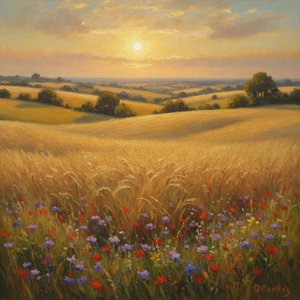
Golden Fields & Sun-Drenched Meadows: Capturing the Soul of Impressionist Landscapes
Immerse yourself in the luminous world of Impressionist landscapes. Discover how masters like Monet and Gauguin captured ephemeral light through plein air painting, and learn to bring the soul of sun-drenched meadows into your home with exquisite, hand-painted oil reproductions.

Capturing the Soul: The Most Emotionally Moving Impressionist and Post-Impressionist Masterpieces
Discover the profound emotional depth of Impressionist and Post-Impressionist masterpieces. Explore how legends like Monet, Van Gogh, and Gauguin captured light and soul through evocative landscapes and vibrant brushwork for a timeless connection to art history.

Beyond the Light: Capturing Raw Emotion and Subjective Vision in Post-Impressionist Landscapes
Explore the profound emotional depth of Post-Impressionist landscapes. Discover how masters like Van Gogh moved beyond light to capture raw human feeling through vibrant color and expressive texture in this expert art history retrospective.
