


 プレビュー
プレビュー
 シェアする
シェアする シェアする
シェアする
 詳細を見る
詳細を見る ガイド
ガイド

 ダウンロード
 似ている作品
 X線調査
X線調査 スライドショー
 統計情報
統計情報Landscape
 Impressionism
 1921
1921 50.0 x 31.0 cm
Discover 'Landscape' by Edgar Herbert Thomas (1921). An Impressionistic forest scene in oil paint, showcasing serene beauty & masterful brushwork. Explore this Austrian artist’s evocative style.
Edgar Herbert Thomas was an Austrian painter known for his evocative landscapes and portraits capturing the beauty of the Alps and the spirit of 19th-century European life. His detailed brushwork and atmospheric compositions offer a glimpse into a bygone era.
 詳細を見る
詳細を見る
ジークレー/アートプリント
迅速な制作と多彩な仕上げオプションを備えた、ミュージアムクオリティのジークレーまたはキャンバスプリント。 ( 手描きの絵画を購入 デジタル画像販売へ切り替え)




































標準サイズ
オーダーメイド
CM
INCH
作品のオリジナル比率に合わせた、当店の規定サイズからお選びください。
Loading sizes...

幅
高さ
特定のフレームやスペースに合わせて、ご自身でサイズを指定することも可能です。選択されたサイズが元の画像の比率と一致しない場合、作品をトリミングするか、鏡面反射または単色での塗りつぶしによって画像を拡張いたします。制作を開始する前に、ご確認用のデジタルモックアップをお送りいたします。
画面上のプレビューには、実際のトリミングや拡張は反映されませんのでご注意ください。最終的な構図を正確に確認できるのは、モックアップのみとなります。
カスタムサイズも承っておりますが、元の比率を維持するためには、あらかじめ用意されたリストからサイズを選択することをお勧めいたします。


 ガラスオプションは、110cm未満のサイズでのみご利用いただけます。

Landscape
ジークレー/アートプリント
複製画のサイズ
-


合計金額
$ 69
関連作品


アーティストの略歴
Early Life and Artistic Beginnings
Edgar Herbert Thomas, born in Narberth, Pembrokeshire, Wales in 1862, emerged as a painter deeply attuned to the romantic spirit of his era. While initially embarking on a career as an illustrator for ‘The Western Mail’ in 1880, it was his inherent talent for capturing atmosphere and detail that ultimately steered him towards fine art. This early experience honed his observational skills and provided a foundation for the meticulous brushwork that would become a hallmark of his style. Though born in Wales, Thomas's artistic journey led him to Austria, where he found both inspiration and a burgeoning career depicting the majestic landscapes and refined society of 19th-century Europe.
A Master of Landscape and Portraiture
Thomas quickly established himself as an artist capable of rendering both the grandeur of nature and the nuanced character of his subjects. His landscapes, often featuring the breathtaking vistas of the Alps, are not merely depictions of scenery but evocative portrayals of mood and emotion. He possessed a remarkable ability to capture the play of light and shadow, imbuing his scenes with a sense of serenity and timeless beauty. Simultaneously, Thomas excelled in portraiture, capturing the spirit and social standing of his sitters with an impressive degree of realism and sensitivity. His portraits weren’t simply likenesses; they were windows into the lives and personalities of those he painted.
Influences and Artistic Development
The artistic currents of Thomas's time profoundly shaped his work. He absorbed elements from Romanticism, evident in his dramatic compositions and emotional intensity, and hints of Symbolism can be detected in the subtle narratives woven into some of his pieces. The influence of artists like Gustave Doré, renowned for his detailed engravings and atmospheric scenes, is also apparent in Thomas’s meticulous approach to detail and mastery of light and shadow. Over time, his style evolved from a more traditional realism towards an Impressionistic sensibility, particularly noticeable in his forest scenes where brushstrokes become looser and more expressive.
Major Achievements and Notable Works
While a comprehensive catalogue raisonné remains elusive, several works stand as testaments to Thomas’s skill. ‘Landscape’ (1921), with its serene depiction of a forested scene, exemplifies his Impressionistic leanings and masterful use of color. His studies of the nude form, such as “Study of the Nude”, demonstrate his technical prowess and understanding of anatomy. Though less widely known today, paintings like "The Last Supper" and "The Death of Emperor Franz Joseph" suggest a broader range of subject matter and an engagement with historical themes. These works, alongside numerous portraits, cemented his reputation among collectors and art enthusiasts of the period.
Historical Significance and Legacy
Edgar Herbert Thomas occupies a unique position in the artistic landscape of the late 19th and early 20th centuries. He represents a bridge between traditional academic painting and the emerging modern styles. His detailed brushwork, atmospheric compositions, and evocative portrayals of European life offer a valuable glimpse into a bygone era. While not as celebrated as some of his contemporaries, Thomas’s work continues to resonate with those who appreciate the beauty of classical art and the enduring power of landscape and portraiture. Today, reproductions of his paintings allow a wider audience to experience the timeless elegance and emotional depth that define his artistic legacy.

edgar herbert thomas
1862 - 1936
基本情報
- Artistic Movement Or Style: Historical Painting
- Artists Or Movements Influenced By This Artist:
- Romanticism
- Symbolism
- Artists Who Influenced This Artist: ['Gustave Doré']
- Date Of Birth: 1862
- Date Of Death: 1936
- Full Name: Edgar Herbert Thomas
- Nationality: Austrian
- Notable Artworks:
- The Last Supper
- The Death of Emperor Franz Joseph
- Place Of Birth: Vienna, Austria
関連記事

Capturing the Soul: The Most Emotionally Moving Impressionist and Post-Impressionist Masterpieces
Discover the profound emotional depth of Impressionist and Post-Impressionist masterpieces. Explore how legends like Monet, Van Gogh, and Gauguin captured light and soul through evocative landscapes and vibrant brushwork for a timeless connection to art history.

The Timeless Charm of Oil on Board: Reimagining Texture and Light through the Impressionist Lens
Discover the profound intimacy of oil on panel. Explore how Impressionist masters used rigid supports to capture light, texture, and impasto depth through exquisite, handmade oil reproductions for discerning collectors.

Beyond the Light: Capturing Raw Emotion and Subjective Vision in Post-Impressionist Landscapes
Explore the profound emotional depth of Post-Impressionist landscapes. Discover how masters like Van Gogh moved beyond light to capture raw human feeling through vibrant color and expressive texture in this expert art history retrospective.
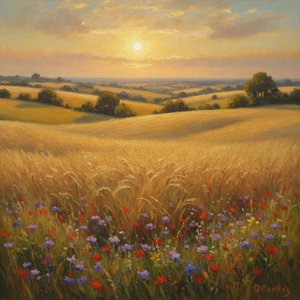
Golden Fields & Sun-Drenched Meadows: Capturing the Soul of Impressionist Landscapes
Immerse yourself in the luminous world of Impressionist landscapes. Discover how masters like Monet and Gauguin captured ephemeral light through plein air painting, and learn to bring the soul of sun-drenched meadows into your home with exquisite, hand-painted oil reproductions.

The Beauty of Impermanence: Capturing Decay through Impressionist Eyes
Explore the profound beauty of impermanence through Impressionist and Post-Impressionist eyes. Discover how masters like Monet and Van Gogh captured fleeting light and the poetic essence of nature's transitions in our deep dive into art history and emotional landscapes.