





























作品のオリジナル比率に合わせた、当店の規定サイズからお選びください。

特定のフレームやスペースに合わせて、ご希望のサイズをご入力いただけます。選択されたサイズが元の画像の比率と異なる場合、アートワークをトリミングするか、手描きで要素を追加して絵画を拡張いたします。デジタルモックアップ を制作し、制作開始前にご確認(承認)をいただきます。
画面上のプレビューは、実際のトリミングや拡張を正確に反映しているものではありません。最終的な構図は、モックアップによってのみ正確にご確認いただけます。
カスタムサイズもご利用いただけますが、元の比率を維持するためには、あらかじめ用意されたリストからサイズを選択することをお勧めいたします。

Approaching the City
複製画のサイズ
Edward Hopper’s “Approaching the City” is more than just a depiction of a New York street; it’s a distilled essence of 20th-century American experience – a poignant meditation on solitude, urban alienation, and the fleeting moments of connection within a vast, impersonal landscape. Painted in 1931, this work exemplifies Hopper's signature style: meticulously rendered realism imbued with an undercurrent of melancholy that continues to resonate deeply with viewers today. The scene unfolds with a quiet drama – a train emerging from a tunnel beneath a bustling city street, its arrival momentarily disrupting the stillness of the surrounding figures. It’s a tableau frozen in time, capturing a specific moment of transition and hinting at the countless untold stories contained within the urban sprawl.
“Approaching the City” is rich in symbolic meaning, reflecting Hopper’s broader concerns about the changing nature of American life during this period. The train itself represents progress, movement, and perhaps even hope – yet it also isolates the passengers within its confines. The figures on the street, seemingly oblivious to each other, embody a sense of detachment and anonymity characteristic of modern urban existence. The fire hydrant, a mundane object, adds another layer of complexity, suggesting both vulnerability and the potential for disruption. Hopper’s choice of subject matter – a busy city street – is particularly significant given the rapid urbanization sweeping across America in the early 20th century.
Created during the interwar years, “Approaching the City” reflects the anxieties and uncertainties of a nation grappling with economic depression and social change. Hopper’s work aligns with the broader artistic movement of Realism, but he transcends mere representation, imbuing his paintings with a profound psychological depth. His influence extends far beyond the realm of painting; he has become synonymous with American modernism and continues to inspire artists and designers today. The painting's enduring appeal lies in its ability to tap into universal themes of loneliness, displacement, and the search for meaning – emotions that remain powerfully relevant in our own time.

1931 - 1967 , アメリカ合衆国

Explore the profound beauty of American Realism. From the Ashcan School's urban grit to intimate portraits, discover how artists captured the authentic soul of a nation through unvarnished truth and masterful observation.
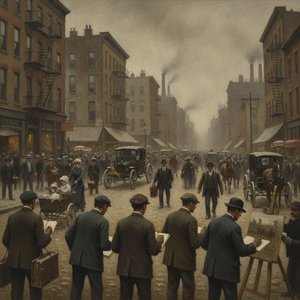
Discover the raw beauty of the Ashcan School. Explore how masters like Bellows and Henri captured the gritty, vibrant soul of early 20th-century New York through profound American Realism and evocative urban landscapes.


最新の美術ニュース、限定オファー、そしてインテリアのアイデアをいち早くお届けします。
お客様のプロジェクトについてお聞かせください。当社の美術専門家が、お客様に合わせた3つのパーソナライズされた芸術提案をご提供いたします。
あなたにぴったりの3作品を無料で厳選いたします


 プレビュー
プレビュー
 プリントを購入
 シェアする
シェアする シェアする
シェアする
 詳細を見る
詳細を見る

 ダウンロード
 似ている作品
 X線調査
X線調査 スライドショー

 詳細を見る
詳細を見る









 ガラスオプションは、110cm未満のサイズでのみご利用いただけます。


