

Shown: · With its frame:
 設置イメージを確認
 送る
送る シェア
シェア
 詳細情報
詳細情報 ガイドを表示

 画像をダウンロード
 似ている作品
 X線調査
X線調査 スライドショー
 Q&A
Q&A 統計情報
統計情報

¥ 42454
手描き油彩複製画
当社のアーティストが、お客様のご希望のサイズと額縁に合わせて、キャンバスに手描きで制作する油彩画です。 ( プリント版に切り替え デジタル画像販売へ切り替え)
著作権保護について
このページに掲載されている作品は著作権法によって保護されており、当社の許可なく同一の複製物を制作または販売することは法律で禁じられています。この保護は、以下のような国際条約に基づき執行されます。 ベルヌ条約 および、以下の条項に定められたものを含む各国の法律により、 米国著作権法 第17編。
敬意を払った法的な代替手段として、私たちはオリジナルにインスピレーションを与えられた、カスタムの手描きアートワークを提供しています。私たちの熟練したプロのアーティストは、元の作品が持つスタイル、情緒、そして芸術的なエッセンスを注意深く研究し、独自の創作物でありながら、同じ感性を呼び起こすような、新しくユニークな作品を作り上げます。
この手法は、著作権で保護された作品の複製や複写を伴わないため、著作権法に完全に準拠しています。これは単なる模倣ではなく、創造的な再解釈です。元の作品からインスピレーションを受けつつも、それとは異なる、全く新しい絵画を生み出すものです。
 詳細を見る
詳細を見るSize
·標準サイズ
カスタムサイズ
CM
INCH
作品のオリジナル比率に合わせた、当店の規定サイズからお選びください。
Loading sizes...

横幅
高さ
フレームや壁のスペースに合わせて、ご希望の幅と高さを入力してください。本作品は手描きのため、異なる比率のサイズをご希望の場合、絵画の周囲を少し広げて描くか、あるいは端を少しカットして調整することが可能です。お客様のご要望に合わせます。制作を開始する前に、仕上がりを確認するためのデジタルモックアップをお送りいたします。このページに表示されている画像は完成品の実物ではなく、あくまでモックアップによるイメージです。
Finish
·
White ¥1

Blurside ¥1

Extended ¥1

P118B ¥10

P118H ¥10

P118W ¥10

P438Z ¥10

P508JH ¥12

P508YH ¥12

P805H ¥10

P805Z ¥10

P919BZ ¥10

P919G ¥10

P919XJ ¥10

P959ZH ¥10

P968JZ ¥12

W106C ¥8

W218G ¥10

W218JH ¥8

W218Y ¥10

W307PJ ¥10

W316G ¥10

W316PJ ¥8

W316Y ¥10

W398PJ ¥8

W4111J ¥10

W500HY ¥15

W500JH ¥15

W692G ¥12

W849H ¥8

W940BG ¥15

W953PJ ¥8

H24-GOLD ¥30

H24-SILVER ¥30

H36-GOLD ¥45

H36-SILVER ¥45
Shipped in a protective tube, ready for your own framer.
Above 105 cm the frame is shipped as a kit for a professional framer — read the details.
Extras
optionalWhat do the extras include?
Examples of what can be changed: Replace face with customer photo; Add pet (e.g., replace cat with dog); Include hidden message in background; Change background landscape or elements.
After order, TopImpressionists.com team will email client for instructions and provide a mockup preview
After order, TopImpressionists.com team will email client for instructions and provide a mockup preview
世界中への配送()は、通常の5週間ではなく、3〜4週間でお届けいたします。(2 11月)。品質には一切妥協いたしません。
保護用ワニス
銘板
刻印入りブロンズプレートの詳細
This elegant plaque features the artist's name and the title of the artwork, finely engraved for a timeless presentation.
It is made from bronze with a refined, elegant finish. The text is precisely laser-engraved for a sharp and permanent result. Measuring 9x2 cm, the plaque is compact yet easy to read. It's built to be durable and scratch-resistant, offering a professional, museum-quality look. Mounting is simple thanks to the included adhesive backing.
透明アクリル銘板の詳細
The plaque includes essential engraved details such as the artist's name, the title of the artwork, the date it was created, the type of media used-like oil on canvas or watercolor-a brief description of the piece, and a QR code that links to the complete artwork information.
It is crafted from clear acrylic, offering a sleek, modern appearance. The text is UV-engraved in black to ensure strong visual contrast. With a size of 10x15 cm, it ensures optimal readability. It comes equipped with two metal hooks for secure wall mounting. The plaque is designed to be weather-resistant, making it suitable for various environments, and it includes interactive features that work seamlessly with smartphone scanning.
黒アクリル製銘板の詳細
This elegant plaque includes engraved information such as the artist's name, the title of the artwork, the date it was created, the type of media used (like oil on canvas or watercolor), a short description of the artwork, and a QR code for quick access to more information.
The plaque itself is made from refined black acrylic with a premium finish. The text is laser-engraved in white for high contrast and readability. Its size is 10x15 cm, designed to be easy to read. It comes with two metal hooks for professional mounting. The design is sleek and fits any interior style. It is also weather-resistant and durable, with built-in digital integration for mobile compatibility.
ガラスオプションは、110cm未満のサイズでのみご利用いただけます。
 ガラスオプションは、110cm未満のサイズでのみご利用いただけます。
- 世界中へ無料エクスプレス配送
- 高品質なリネンキャンバス
- 配送時完全保険付
- 関税・輸入税の払い戻し保証
- 忠実な色彩再現の保証
- 100日間返品保証(製造上の欠陥がある場合のみ)
- 100% 全額返金保証
- まとめ買い割引のご案内


コレクション詳細
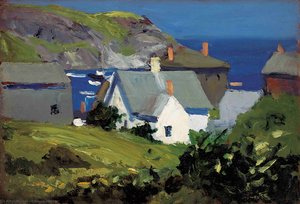
Edward Hopper’s ‘Freight Car at Truro,’ a masterful Social Realism painting from 1931 captures the poignant solitude of rural America. Its stark lighting and minimalist composition evoke a profound sense of quiet contemplation, inviting viewers to explore this iconic piece.
アーティストプロフィール
アメリカンリアリズムの巨匠、エドワード・ホッパー。孤独な都市生活と光影を巧みに捉え、『Nighthawks』や『日曜日の午後』など、時代を超越した傑作群で知られます。20世紀アメリカ社会の深層心理を映し出す芸術家。
About the painting
A Symphony of Solitude: The Quiet Power of Freight Car at Truro
In the vast, sweeping landscape of American art, few images capture the heavy, cinematic silence of a moment quite like Edward Hopper’s Freight Car at Trurol. Painted in 1931, this masterpiece serves as more than just a depiction of a railway car resting on its tracks; it is a distilled essence of the American experience during the Great Depression. As the viewer's eye meets the stark, vibrant red of the train car, they are immediately transported to a rural New England setting, where the afternoon light feels diffused and heavy with memory. There is a profound stillness here, a sense that the world has paused to catch its breath, leaving us to contemplate the beauty found in isolation.
Hopper, a master of Social Realism, eschewed the idealized, romanticized landscapes of his predecessors. Instead, he turned his gaze toward the unvarnished truth of everyday life, imbuing even the most mundane subjects with deep psychological resonance. In this work, the composition is deceptively simple: a solitary freight car set against a backdrop of distant, rolling hills. Yet, within this simplicity lies a complex emotional architecture. The warmth radiating from the reds and oranges of the train creates a striking visual tension against the cool, receding blues and greens of the countryside, amplifying the sense of a singular object—and perhaps a singular soul—standing apart from the world.
Technique and the Architecture of Light
The emotional impact of this painting is inseparable from Hopper’s meticulous technical execution. He employed a sophisticated layering technique, using thin washes of oil paint to build up tonal gradations that capture the subtle, fleeting nuances of light and shadow. This painstaking approach allows the light to appear as if it is not merely hitting the surface of the canvas, but emerging from within it. The way the light grazes the metallic edges of the car and settles into the shadows of the tracks creates a tactile realism that draws the collector closer to the scene.
For the interior designer or art enthusiast, this painting offers a unique versatility. Its balanced color palette—anchored by bold primary tones but softened by earthy, natural hues—allows it to serve as a commanding focal point in a variety of settings. Whether placed in a modern, minimalist gallery space or a more traditional, cozy study, the work brings with it an atmosphere of quiet contemplation and sophisticated gravity. It does not demand attention through noise, but rather through a steady, enduring presence.
Historical Resonance and Emotional Depth
To look upon Freight Car at Truro is to witness the visual language of an era marked by economic hardship and social anxiety. Created during a period of profound displacement in American society, the painting speaks to the pervasive feeling of disconnection that characterized the early 1930s. Hopper deliberately avoids a clear narrative; there are no figures engaged in conversation, no obvious movement toward a destination. This ambiguity is intentional, inviting each viewer to project their own stories of longing and solitude onto the canvas.
The painting functions as a mirror for the human condition, exploring themes of loneliness not as a tragedy, but as a fundamental state of being. It captures that specific, electric tension found in the pauses between life's major events. For those seeking to bring a piece of art history into their homes, this reproduction offers more than just aesthetic beauty; it offers a window into the soul of 20th-century America, providing a permanent sense of peace and profound reflection within any living space.
よくあるご質問
「Freight Car at Truro」にはどのような雰囲気がありますか?
エドワード・ホッパー作「Freight Car at Truro」は、その情緒においてCalmと表現されます。この分類は、作品を空間やシーンに合わせる際の手助けとなります。
その色彩から、エドワード・ホッパー作「Freight Car at Truro」 はどの部屋に飾るのがおすすめですか?
Neutralsの色彩を纏ったエドワード・ホッパー作「Freight Car at Truro」は、Living Roomに飾るのがおすすめです。その色使いこそが、この提案の理由のひとつです。
「Freight Car at Truro」は、エドワード・ホッパーの制作活動におけるどの時期の作品にあたりますか?
「Freight Car at Truro」は、エドワード・ホッパーのキャリアにおけるMature Periodに属します。この分類は、作品をアーティストの画業の変遷に関連付けるものです。
Quick facts and art quiz
About エドワード・ホッパー

エドワード・ホッパー
1931 - 1967, アメリカ合衆国
アーティストについて
観察された孤独:エドワード・ホッパーの生涯と芸術
20世紀のアメリカ社会に漂っていた静寂と、かすかな憂鬱。エドワード・ホッパーという名は、単なる風景の画家としてではなく、光と影の詩人、そして現代的な孤立を描き出した記録者として、その時代の空気と分かちがたく結びついています。1882年、ニューヨーク州ナイアックにて、オランダ系の血を引く中産階級の両親のもとに生まれたホッパーの幼少期は、彼の芸術的傾向を育む安定した環境にありました。日付と署名が丁寧に記された子供時代のスケッチを見れば、鋭い観察眼と天賦の描画才能が、彼の本質的な要素であったことは明白です。当初、両親からは現実的な提案として商業イラストレーターへの道を勧められましたが、ホッパーの野心は純粋芸術へと向かっていました。彼はニューヨーク・スクール・オブ・アートに入学し、ウィリアム・メリット・チェイスやロバート・ヘンリーに師事します。この形成期は、技術的な習熟だけでなく、リアリズムへの深い理解と、世界をありのままに、飾らず誠実に描き出すという決意を彼に植え付けました。ラルフ・ワルド・エマーソンの著作はホッパーの心に深く響き、彼の芸術的ビジョンの特徴となる個人主義と鋭い観察眼をより強固なものにしました。初期のパリ滞在では印象派に触れる機会もありましたが、ホッパーは印象派の刹那的な筆致とは異なる、彼独自の道を切り拓いていったのです。独自の表現の探求:リアリズムとアメリカン・シーン
ホッパーの芸術的旅路は、決して平坦なものではありませんでした。彼は自身の際立った「声」を見出すべく葛藤し、キャリアを決定づけることになるリアリズムに辿り着く前には、様々な様式を試行錯誤しました。彼の描くリアリズムは、単なる現実の複製ではありません。それは、余分な細部を削ぎ落とし、その根底にある感情的な真実を露わにするための、本質の抽出でした。彼の作品は、家々、ダイナー、オフィス、ホテルの客室といった日常的な風景へと焦点を移していき、そこには静止した時間と、しばしば孤独感が漂っていました。彼は被写体の心理状態を捉える並外れた能力を備えており、言葉で明示することなく、物語の断片を暗示させました。光と影の精密な描写は、単なる説明的な要素を超え、感情を揺さぶる手がかりとして不可欠なものとなり、魅惑的でありながらどこか不安をかき立てる空気感を作り出しました。初期の傑作である『線路脇の家』(1925年)は、この手法を象徴しています。一見シンプルな構図の中に、深い孤独と神秘性が放射されています。また、見落とされがちな版画制作も、絵画と並行して行われ、同様のテーマや様式美を共有しており、彼の表現領域の広さを示しています。彼は壮大な歴史的物語や寓話的な象徴には関心がありませんでした。むしろ、日常的なものに目を向け、細やかな観察と感情的な共鳴を通じて、それを高次元へと昇華させたのです。象徴的なヴィジョン:『夜警』とその先へ
ホッパーのキャリアは緩やかに進展しましたが、ある特定の作品が彼を一躍、世界的な名声へと押し上げました。『夜警』(1942年)は、おそらく彼の最も有名な作品であり、アメリカ文化の象徴となりました。強烈な蛍光灯の光に照らされた深夜のダイナーの情景は、現代の都市生活における疎外感と匿名性を見事に凝縮しています。店内にいる人々は、互いに近くにありながらも、それぞれの思索に沈み込み、断絶しています。それは人間存在の本質に対する痛切な批評でもあります。『ガソリンスタンド』(1940年)では、道端のガソリンスタンドを印象的に描くことで、アメリカの風景と、当時急速に発展していた自動車文化への彼の関心を示しています。他にも、『オートマット』、『小さな街のオフィス』、『夏』といった重要な作品は、それぞれが20なるアメリカ社会の複雑さに対する独自の洞察を与えてくれます。これらの絵画は単なる場所の描写ではなく、日常的な舞台で展開される情緒、心理、そして微細なドラマの探求でした。妻であるジョセフィン・ニビソン・ホッパーは、生涯の伴侶としてだけでなく、頻繁にモデルを務めることで、彼の描く女性像のキャラクター形成に多大な貢献を果たしました。テーマと遺産:永続する影響力
ホッパーの作品群には、いくつかの繰り返されるテーマが流れています。最も顕著なのは「都市の孤立」でしょう。群衆の中にいながらも感じられる孤独感です。彼はアメリカの風景を、田舎から都市に至るまで探求し、その荒涼とした空虚さをしばしば強調しました。また、彼の作品は心理的リアリズムを掘り下げ、単なる描写を超えた感受性で被写体の内面を突き止めます。そこには、より単純だった過去へのノスタルジーと、現代生活の複雑さや不安への認識が共存しています。後世の芸術家に対するホッパーの影響は否定できません。彼の独特なスタイルは、ピエール・サンフォード・ロスを含む数多くの画家たちにインスピレーションを与え続け、人間の経験の本質を捉えようとする現代のアーティストたちの心にも響き続けています。彼の作品は今なおコレクターから熱望され、世界中の主要な美術館で展示されており、アメリカ美術史における極めて重要な人物としての地位を確固たるものにしています。単なる芸術家を超えて、エドワード・ホッパーは視覚的な哲学者でした。光、影、そして構図の巧みな操作を通じて、人間存在に対する深い洞察を提示したのです。- 彼の遺産は、絵画の美しさだけでなく、思考を促し、感情を呼び起こし、私たちの人生をしばしば定義づける「静かな孤独」を思い出させてくれる、その永続的な力にあります。
- ホッパーの作品が観衆を魅了し続けるのは、それが孤独、孤立、そして急速に変化する世界における意味の探求という、普遍的なテーマを語りかけてくるからです。
- 彼の絵画はアメリカ文化の象徴的な表現となり、20世紀、そしてそれ以降の時代の不安や志を象徴するものとしてしばしば用いられています。
- ホッパーの美学は、映画監督(アルフレッド・ヒッチコックなど)や作家にも深い影響を与え、疎外感や心理的緊張という同様のテーマを探求する数多くの作品にインスピレーションを与えてきました。
Quick facts about エドワード・ホッパー
- Artistic Movement Or Style: リアリズム
- Artists Who Influenced This Artist:
- ウィリアム・ミルトン・チェイス
- ロバート・ヘンリー
- Date Of Birth: 1882年7月22日
- Date Of Death: 1967年5月15日
- Full Name: Edward Hopper
- Nationality: アメリカ合衆国
- Notable Artworks:
- ナイハウクス
- 鉄道沿いの家
- Place Of Birth: ニューヨーク州ナヤック


テーマ、スタイル、特徴別に分類された作品を探索しましょう。




エドワード・ホッパー
Freight Car at Truro
() ·
With its frame: · Hand-painted in oil on linen
Total