

展示内容: · 額縁を含むサイズ:
 設置イメージを表示

 シェアする
 シェアする
 詳細を見る
 ガイドを表示


 ダウンロード
 似ている作品
 X線調査
 スライドショーを表示
 Q&A
 統計情報

¥ 10981
ジークレー/アートプリント
スピーディーな制作と多彩な仕上げオプションが魅力の、ミュージアムクオリティなジークレー・キャンバスプリント。 ( 手描き複製画を注文する デジタル画像販売へ切り替え)
本作品の著作権について
このページに掲載されている作品は著作権法によって保護されており、当社の許可なく同一の複製物を制作または販売することは法律で禁じられています。この保護は、以下のような国際条約に基づき執行されます。 ベルヌ条約 および、以下の条項に定められたものを含む各国の法律により、 米国著作権法 第17編。
敬意を払った法的な代替手段として、私たちはオリジナルにインスピレーションを与えられた、カスタムの手描きアートワークを提供しています。私たちの熟練したプロのアーティストは、元の作品が持つスタイル、情緒、そして芸術的なエッセンスを注意深く研究し、独自の創作物でありながら、同じ感性を呼び起こすような、新しくユニークな作品を作り上げます。
この手法は、著作権で保護された作品の複製や複写を伴わないため、著作権法に完全に準拠しています。これは単なる模倣ではなく、創造的な再解釈です。元の作品からインスピレーションを受けつつも、それとは異なる、全く新しい絵画を生み出すものです。
 詳しく読む
サイズ
·標準サイズ
オーダーメイド
CM
INCH
作品のオリジナル比率に合わせた、当店の規定サイズからお選びください。
サイズを読み込み中...

横幅
高さ
額縁や壁のスペースに合わせて、ご希望の幅と高さを入力してください。プリントはカットすることは可能ですが、元の画像より大きくすることはできないため、異なる比率のサイズを選択された場合は、画像の一部が欠けることになります。印刷を開始する前に、内容を確認していただくためのデジタルモックアップをお送りいたします。このページに表示されている画像は、実際のカット後の状態を示すものではありません。実際の仕上がりはモックアップにてご確認ください。
仕上げ
·
白の側面仕上げ ¥1

エッジぼかし仕上げ ¥1

回り込み仕上げ ¥1

P118B ¥10

P118H ¥10

P118W ¥10

P438Z ¥10

P508JH ¥12

P508YH ¥12

P805H ¥10

P805Z ¥10

P919BZ ¥10

P919G ¥10

P919XJ ¥10

P959ZH ¥10

P968JZ ¥12

W106C ¥8

W218G ¥10

W218JH ¥8

W218Y ¥10

W307PJ ¥10

W316G ¥10

W316PJ ¥8

W316Y ¥10

W398PJ ¥8

W4111J ¥10

W500HY ¥15

W500JH ¥15

W692G ¥12

W849H ¥8

W940BG ¥15

W953PJ ¥8

H24-GOLD ¥30

H24-SILVER ¥30

H36-GOLD ¥45

H36-SILVER ¥45
保護用の筒に入れてお届けしますので、お客様ご自身でフレーム(額縁)をご用意いただく形となります。
オプションサービス
任意特典の内容について
世界中への配送()は、標準の4〜5週間ではなく、2週間でお届けいたします。(23 11月)
保護用ワニス
キャプション
刻印入りブロンズプレートの詳細
This elegant plaque features the artist's name and the title of the artwork, finely engraved for a timeless presentation.
It is made from bronze with a refined, elegant finish. The text is precisely laser-engraved for a sharp and permanent result. Measuring 9x2 cm, the plaque is compact yet easy to read. It's built to be durable and scratch-resistant, offering a professional, museum-quality look. Mounting is simple thanks to the included adhesive backing.
透明アクリル銘板の詳細
The plaque includes essential engraved details such as the artist's name, the title of the artwork, the date it was created, the type of media used-like oil on canvas or watercolor-a brief description of the piece, and a QR code that links to the complete artwork information.
It is crafted from clear acrylic, offering a sleek, modern appearance. The text is UV-engraved in black to ensure strong visual contrast. With a size of 10x15 cm, it ensures optimal readability. It comes equipped with two metal hooks for secure wall mounting. The plaque is designed to be weather-resistant, making it suitable for various environments, and it includes interactive features that work seamlessly with smartphone scanning.
黒アクリル製銘板の詳細
This elegant plaque includes engraved information such as the artist's name, the title of the artwork, the date it was created, the type of media used (like oil on canvas or watercolor), a short description of the artwork, and a QR code for quick access to more information.
The plaque itself is made from refined black acrylic with a premium finish. The text is laser-engraved in white for high contrast and readability. Its size is 10x15 cm, designed to be easy to read. It comes with two metal hooks for professional mounting. The design is sleek and fits any interior style. It is also weather-resistant and durable, with built-in digital integration for mobile compatibility.
ガラスオプションは、110cm未満のサイズでのみご利用いただけます。
 ガラスオプションは、110cm未満のサイズでのみご利用いただけます。
- 世界中へ無料エクスプレス配送
- 高品質なリネンキャンバス
- 配送時完全保険付
- 関税・輸入税の払い戻し保証
- 真の色彩再現に関する保証
- 100日間返品保証(製造上の欠陥がある場合のみ)
- 100% 全額返金保証
- まとめ買い割引のご案内


作品解説
Edward Hopper's 'Intermission' captures a solitary woman in a theater aisle, evoking quiet contemplation and the poignant beauty of modern isolation. A timeless masterpiece.
作品について
The Quiet Drama of a Waiting Room
Edward Hopper’s Intermission, painted in 1963, isn't merely a depiction of a theater lobby; it’s a meticulously crafted tableau of human isolation and the poignant beauty of unspoken moments. The painting immediately draws the viewer into a scene steeped in a muted, almost melancholic atmosphere – a stark contrast to the vibrant energy typically associated with theatrical performances. Hopper masterfully employs his signature style, characterized by simplified forms, precise lines, and an astute observation of light and shadow, to create a space that feels both familiar and profoundly unsettling.
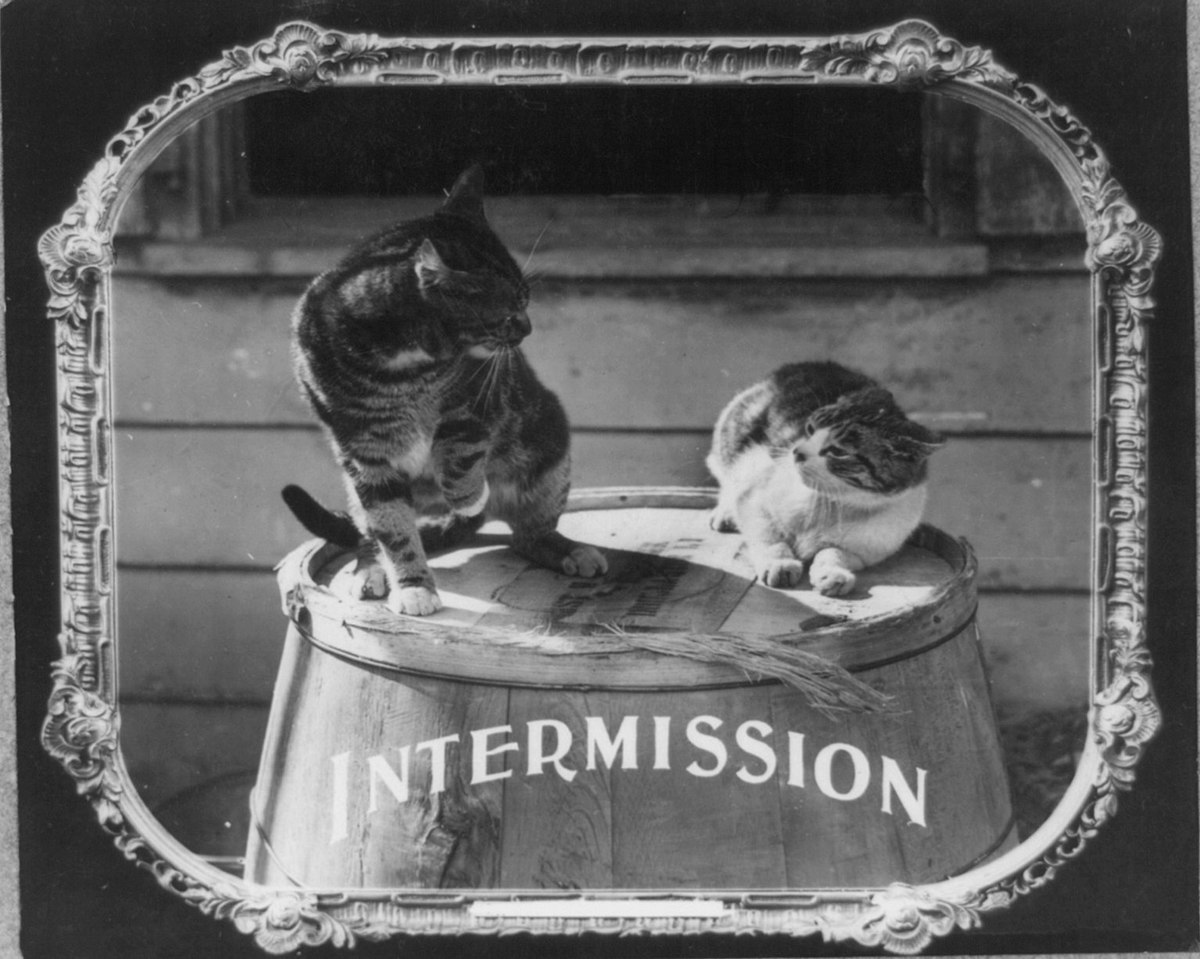
The composition itself is a study in restraint and suggestion. A woman, seated alone in a green aisle seat, dominates the foreground, her posture conveying a quiet contemplation that invites speculation about her thoughts and experiences. The surrounding chairs, arranged in neat rows, contribute to a sense of impersonal order, emphasizing her solitude within this public space. Hopper’s use of horizontal lines – the walls, the floor, the seats – creates a feeling of stillness, while subtle variations in tone and texture hint at the underlying complexity of the scene.
A Masterclass in Light and Shadow
Hopper's technical skill is evident in his precise rendering of light. The diffused illumination emanating from the unseen stage casts soft shadows that subtly define the forms, creating a sense of depth without resorting to dramatic contrasts. This delicate handling of light isn’t merely aesthetic; it serves to heighten the painting’s emotional impact, suggesting both vulnerability and resilience. Notice how the light catches the woman's dress, highlighting her form while simultaneously obscuring details, adding to the air of mystery surrounding her.
The color palette—predominantly muted greens, grays, and blacks—further reinforces the painting’s somber mood. The subtle shifts in tone within these hues create a sense of visual richness, preventing the scene from feeling flat or lifeless. Hopper's choice of colors is deliberate, evoking the atmosphere of a late-night theater lobby – a space often associated with anticipation, reflection, and perhaps even a touch of melancholy.
Symbolism and the Poetics of Modern Life
Intermission resonates deeply because it taps into universal themes of loneliness, isolation, and the passage of time. The woman’s solitary presence in the theater lobby speaks to the human condition—the feeling of being present yet detached, observing life from a distance. The clock visible in the background subtly reinforces this sense of temporal awareness, reminding us that time continues to move forward even as we remain suspended in these moments of quiet contemplation.
Hopper’s work is often interpreted as a reflection on the alienation and anonymity of modern urban life. The theater itself can be seen as a metaphor for the human drama—a stage upon which we all play our roles, often feeling like solitary figures amidst a vast audience. The painting's enduring appeal lies in its ability to capture these complex emotions with remarkable subtlety and grace.
A Legacy of Quiet Observation
Intermission stands as a testament to Edward Hopper’s extraordinary talent for capturing the essence of American life—its beauty, its loneliness, and its quiet moments of introspection. Painted in his later years, it represents a culmination of his artistic vision, demonstrating his mastery of light, composition, and symbolism. Reproductions of this iconic work continue to captivate viewers, inviting us to pause, reflect, and contemplate the universal themes that resonate within its carefully constructed scene.
Q&A
「Intermission」の主題は、エドワード・ホッパーが普段扱うテーマとどのように関連していますか?
「Intermission」はwaiting room, isolation, theater, loneliness, diner, mid-century, hopperを描いていますが、エドワード・ホッパーのこれまでの主要なテーマはhopper’s realism, urban isolation, american life, mid-century themes, theater, cinema, performance spaces, solitudeです。この二つを比較することで、本作が作家の恒常的な主題とどのように結びついているかが浮き彫りになります。
「Intermission」の作者は誰ですか?
「Intermission」の作者はエドワード・ホッパーとされています。
エドワード・ホッパー作「Intermission」は、どのような感情を伝えていますか?
エドワード・ホッパー作「Intermission」は、全体的なCalmなムードの中に、Melancholicな感情を伝えています。
作品の豆知識とアートクイズ
エドワード・ホッパーについて

エドワード・ホッパー
1882 - 1967, アメリカ合衆国
作家プロフィール
アメリカン・シーンの静寂
エドワード・ホッパーは、アメリカ合衆国のアップ・ナイアックに生を受けました。彼の幼少期は、世界をじっと見つめる観察眼を養う日々であり、その習慣は、日付と署名が丁寧に記された子供時代のスケッチから始まっていました。両親は現実的な選択肢として商業イラストレーターの道を勧めましたが、彼の情熱は純粋芸術へと向かっていました。彼はニューヨーク・スクール・オブ・アートに入学し、ウィリアム・メリット・チェイスやロバート・ヘンリーに師事します。この修行時代は、世界を飾らず、ありのままに描き出すために必要な技術的習熟を彼に授けました。彼はパリで出会った印象派のような、刹那的な筆致を追い求めることはありませんでした。むしろ、群衆の動きよりも、ある瞬間に漂う静止した時間を尊ぶ、独自の視座を築き上げたのです。
彼の作品の多くは、日常的な風景に焦点を当てています。家々、ダイナー、オフィス、そしてホテルの客室。彼は余分な細部を削ぎ落とすことで、その情景の根底にある感情的な真実をあぶり出そうとしました。1925年の傑作線路脇の家では、シンプルな構図の中に、神秘性と孤独感が漂っています。彼は光と影を、単に部屋を説明するための道具としてではなく、情緒を醸成するための手段として用いました。壁に落ちる影の精密な描写や、窓に差し込む光の在り方は、被写体の心理状態を伝える彼独自の言語となったのです。
光と都市の内部空間
空間に差し込む光の在り方は、彼の絵画における中心的な登場人物といえます。1942年の『夜警(Nighthawks)』では、深夜のダイナーから漏れる強烈な蛍光灯の光が、人影のない都市の街路の暗闇を切り裂いています。店内にいる人々は、物理的には近くにありながらも、互いに断絶し、それぞれの思索の中に沈み込んでいるように見えます。こうした、混雑した都市の中にありながら感じる匿名性は、彼の繰り返される重要なテーマとなりました。彼は、公共の場にいながらにして孤独であるという緊張感を捉え、その感覚はオートマットや『小さな街のオフィス』といった作品の中に深く共鳴しています。彼は、人工的な光が夜の自然な暗闇とどのように交錯するかに、深い関心を寄せていたのです。
妻のジョセフィン・ニビソン・ホッパーは、彼の傍らに常に寄り添う存在でした。彼女自身も芸術家であり、しばしば彼のモデルを務めました。彼女の存在感は、彼が描く多くの女性像のキャラクター形成の中に息づいています。二人は質素な生活を送り、夏をニューイングランドで過ごすことも多く、それが彼が描く風景にも影響を与えました。田舎から都市に至るまで、エドワード・ホッパーが描くアメリカの風景は、しばしばある種の荒涼とした空虚さを強調します。それが『ガソリンスタンド』(1940年)の道端の施設であれ、ホテルの静かな一室であれ、主題は常に、物理的な場所と、個人の内面的な経験が交差する地点にあるのです。
観察が遺したもの
ホッパーの影響は、映画や文学といった視覚言語の領域にまで及んでいます。構図を通じて心理的な緊張感を生み出す彼の卓越した能力は、イメージを通じて物語を語る手法を研究する多くの人々に注目されてきました。彼の作品は、現在も世界中の主要な美術館に収蔵されており、ホイットニー美術館やボストンのボストン美術館といった名だたるコレクションの一部となっています。彼は壮大な歴史的物語を描こうとしたのではありません。日常の静かな片隅に題材を見出し、ありふれた窓や通り過ぎる見知らぬ誰かを、人間存在の探求へと昇華させたのです。彼の作品は、今なお、人々の間に存在する「静寂」を問い続けています。
エドワード・ホッパーについてのクイック・ファクト
- Artistic Movement Or Style: アメリカン・リアリズム
- Artists Or Movements Influenced By This Artist: ['ピエール・サンフォード・ロス']
- Artists Who Influenced This Artist:
- ウィリアム・メリット・チェイス
- ロバート・ヘンリー
- エドガー・ドガ
- エドゥアール・マネ
- Date Of Birth: 1931年
- Date Of Death: 1967年
- Full Name: エドワード・ホッパー
- Nationality: アメリカ人
- Notable Artworks:
- 夜警
- ガソリンスタンド
- 線路脇の家
- オートマット
- 小さな街のオフィス
- 夏
- Place Of Birth: アメリカ合衆国、アッパー・ナイアック
テーマ、スタイル、特徴別に分類された作品を探索しましょう。



エドワード・ホッパー
Intermission
() ·
額縁を含むサイズ: ·
合計