

 プレビュー
プレビュー
 シェアする
シェアする シェアする
シェアする
 詳細を見る
詳細を見る ガイド
ガイド

 ダウンロード
 似ている作品
 X線調査
X線調査 スライドショー
 統計情報
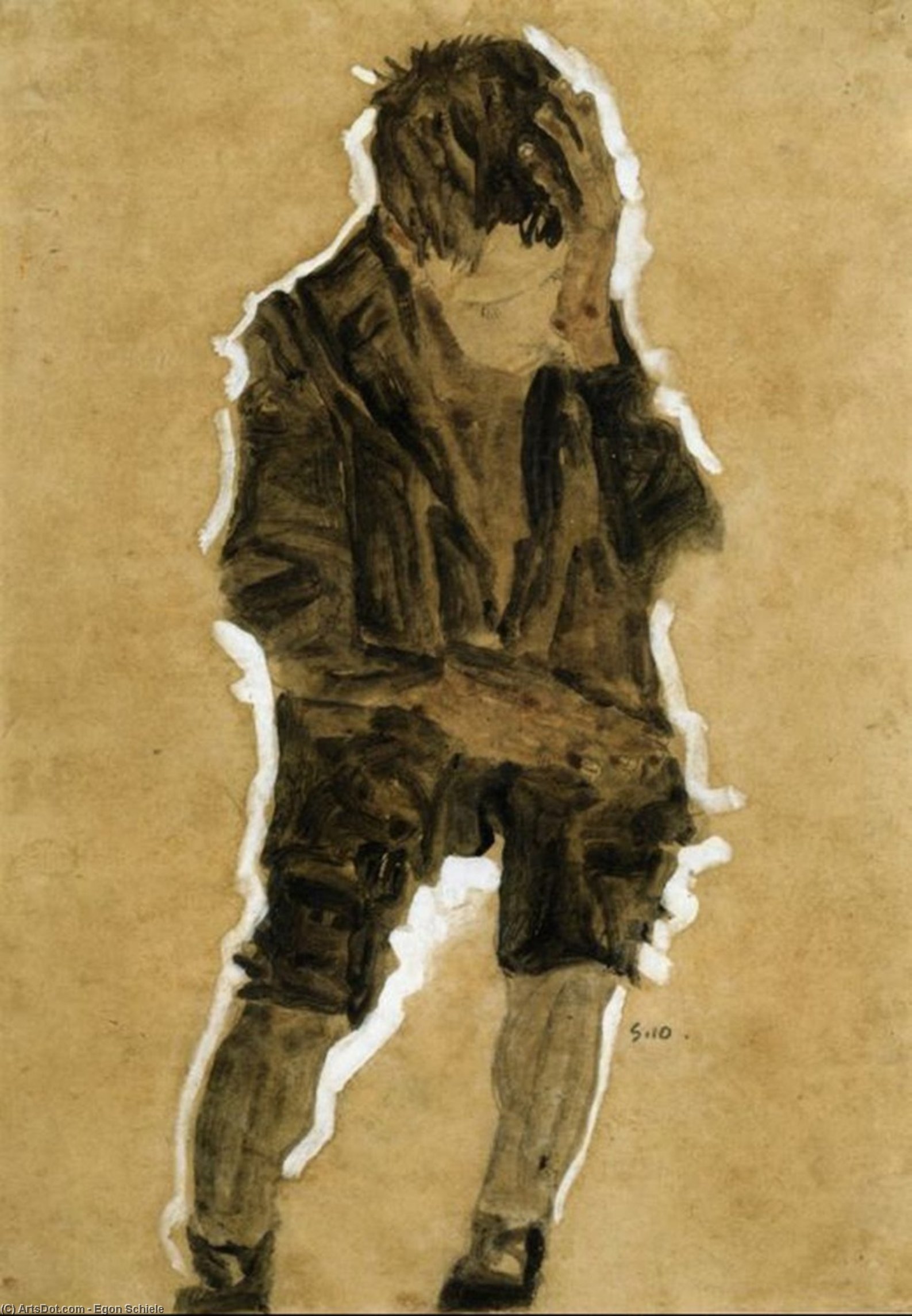
統計情報顔に手を当てる少年
 キャンバスにアクリル絵具
- ウォールアート
- 表現主義
 1910
1910 43.0 x 33.0 cm
 詳細を見る
詳細を見る
手描き油彩複製画
当社のアーティストが、お客様のご希望のサイズと額縁に合わせて、キャンバスに手描きで制作する油彩画です。 ( プリント版に切り替え デジタル画像販売へ切り替え)




P118B $10

P118H $10

P118W $10

P438Z $10

P508JH $12

P508YH $12

P805H $10

P805Z $10

P919BZ $10

P919G $10

P919XJ $10

P959ZH $10

P968JZ $12

W106C $8

W218G $10

W218JH $8

W218Y $10

W307PJ $10

W316G $10

W316PJ $8

W316Y $10

W398PJ $8

W4111J $10

W500HY $15

W500JH $15

W692G $12

W849H $8

W940BG $15

W953PJ $8




標準サイズ
オーダーメイド
CM
INCH
作品のオリジナル比率に合わせた、当店の規定サイズからお選びください。
Loading sizes...

幅
高さ
特定のフレームやスペースに合わせて、ご希望のサイズをご入力いただけます。選択されたサイズが元の画像の比率と異なる場合、アートワークをトリミングするか、手描きで要素を追加して絵画を拡張いたします。デジタルモックアップ を制作し、制作開始前にご確認(承認)をいただきます。
画面上のプレビューは、実際のトリミングや拡張を正確に反映しているものではありません。最終的な構図は、モックアップによってのみ正確にご確認いただけます。
カスタムサイズもご利用いただけますが、元の比率を維持するためには、あらかじめ用意されたリストからサイズを選択することをお勧めいたします。
カスタマイズの例:顔をお客様の写真に置き換える、ペットを追加する(例:猫を犬に変更)、背景に隠れたメッセージを入れる、背景の風景や要素を変更するなど。
ご注文後、TopImpressionists.com チームより詳細な指示をお送りするとともに、仕上がりイメージ(モックアップ)をご提供いたします。
ご注文後、TopImpressionists.com チームより詳細な指示をお送りするとともに、仕上がりイメージ(モックアップ)をご提供いたします。


 ガラスオプションは、110cm未満のサイズでのみご利用いただけます。

顔に手を当てる少年
複製技法
複製画のサイズ
-


合計金額
$ 269
思春期の苦悩への窓:エゴン・シーレの『顔に手を当てる少年』
エゴン・シーレによる1910年の水彩画『顔に手を当てる少年』は、単なる肖像画以上のものです。それは、内面の動揺や思春期の複雑さを描いた、生々しい探求なのです。43 x 33 cmというサイズながら、この一見すると単純な作品には、シーレが表現主義にもたらした独自の感情の奔流が凝縮されています。この絵は、単に少年を「見せる」のではなく、鑑賞者をその少年の心と共に「感じさせる」のです。ジェスチャーとフォルムの解読
構図は驚くほど直接的です。くすんだ茶色とクリーム色で描かれ、際立った白い線によって強調された若い男性像が画面を支配しています。彼の顔に押し当てられた手は、単なる恥じらいの仕草ではありません。それは深い内省、あるいは絶望さえも示唆するジェスチャーなのです。そのポーズは、世界からの引きこもり、不快な真実と対峙するための内面への回帰を物語っています。シーレは意図的にプロポーションを歪めています。身体は長く、角ばっており、全体的な不安感を増幅させているのです。これは解剖学的な正確さの問題ではなく、心理的な状態を伝えることに重きが置かれているのです。シーレの表現主義的技法
シーレは水彩画を駆使し、繊細でありながらも心をざわつかせる効果を見事に実現しています。何層にも重ねられたウォッシュは、トーンとテクスチャに微妙な変化を生み出し、感情的な衝撃を高めています。彼の代名詞ともいえる力強く、しばしば鋭角的な線――特に白い輪郭線――は、形を定義するというよりもむしろそれを「内包」しており、脆さと孤立感を暗示しています。この技法は、客観的な描写よりも主観的な経験を優先する表現主義のスタイルを特徴づけています。筆致の荒々しさが、作品に即時性と本物らしさを加えています。歴史的背景:ウィーン 1910年
大きな社会的、芸術的な激動の時代に制作された『顔に手を当てる少年』は、20世紀初頭のウィーンが抱えていた不安を映し出しています。シーレは、変化する社会規範、心理学的な探求(フロイトの影響)、そして増大する疎外感と格闘していた世代の一員でした。彼の作品は伝統的なアカデミック絵画に異議を唱え、主観性と感情的な強度を受け入れました。彼は、それ以前の時代の理想化された美しさを拒否し、人間存在そのものに対する、より正直で――しばしば不安を掻き立てる――描写を選んだのです。象徴性と感情的共鳴
作品に込められた象徴性は力強いものの、解釈の余地を残しています。覆い隠された顔は鑑賞者に投影を促し、私たちは少年の苦悩の原因を想像することを余儀なくされます。際立った白い線は、心の壁や、閉じ込められている感覚を象徴していると見なせます。脆弱性、悲しみ*、そして*孤立感*がキャンバスから放射されるかのような、触れられる感情です。シーレは答えを与えてくれません。彼は私たちに問いを突きつけるのです――人間経験についての痛切な瞑想を。シーレの遺産と現代における収集
エゴン・シーレの影響力は、彼のあまりにも短い生涯(1890-1918年)を遥かに超えています。彼が心理的なテーマを探求した揺るぎない眼差しは、後の世代の芸術家たちの道筋を切り開きました。今日、オリジナルのシーレ作品は、ウィーンのオーストリア美術博物館(Österreichische Galerie Belvedere)やレオポルト美術館といった主要な美術館に所蔵されています。この芸術的な遺産の一部を自宅やデザインプロジェクトに取り入れたいと願う方々にとって、高品質な複製画が手の届く代替案を提供しているのです。エゴン・シーレの他の作品を探る:
- 座った男性裸像、右手を伸ばす – 脆弱性と人間のフォルムを探る研究。
- 立っている男性裸像 – シーレの大胆で型にはまらない肖像画へのアプローチを示す作品。
- ポルディ・ロジンスキー – シーレの肖像画における説得力のある一例。
アーティストの略歴
表現の中に刻まれた生涯
1890年、オーストリアのトゥルン・アン・デア・ドナウに生を受けたエゴン・シーレの人生は、類まれな芸術的ヴィジョンと、深い個人的な苦難が交錯する激動の旅路でした。彼の幼少期は、病と喪失の影に覆われていました。わずか14歳の時、父が梅毒によってこの世を去った悲劇は、その後の彼の作品に深く共鳴し、死への執着や存在の儚さというテーマに火をつけることとなります。当初は母に、その後は叔父レオポルド・チハチェックによる、やや支配的な後見のもとで育ったシーレの子供時代には、一般的な安定こそ欠けていたものの、そこから強烈な独立心が養われました。少年時代から彼は鉄道に対して深い魅惑を抱いており、そのモチーフは後の絵画にも密かに姿を現します。また、芽生えつつあった描画の才能は、当初、実利的な道から逸れるものとして父の不興を買うこともありましたが、こうした形成期の経験が、彼の中に鋭い感受性と剥き出しの感情をもたらしました。それは、生と死、そして人間という存在の本質を問い続ける、彼の芸術表現の代名詞となることになります。
ウィーンという試練:芸術的発展
シーレの正式な芸術教育は、ウィーンの工芸学校(Kunstgewerbeschule)から始まりましたが、彼はすぐにその保守的なアプローチに閉塞感を抱くようになります。その後、美術アカデミー(Akademie der bildenden Künste)へと移るものの、厳格なアカデミズムの伝統に対してさらなる幻滅を感じることとなりました。この不満は、彼に正式な訓練を放棄させることにつながりましたが、それは自らの道を切り拓こうとする揺るぎない芸術的信念の証でもありました。初期の年月において、グスタフ・クリムトの影響は決定的なものでした。シーレはクリムキムトの装飾的な様式や象徴性の探求に敬意を払い、その大家から直接的な指導を受けることもありました。しかし、シーレはやがてクリムトの美学から離脱し、剥き出しの誠実さと心理的な強烈さを特徴とする、極めて個性的な独自の声を確立していきます。1909年には「新ウィーン芸術集団」を共同設立し、既存の芸術規範に挑む進歩的な芸術家たちと肩を並べました。初期の作品、とりわけ不安をかき立てる肖像画や自画像は、歪んだ人物像と触知できるほどの脆弱性を描き出し、感情の混乱を力強く表現する声明として現れ始めました。これらの絵画は単なる肉体の描写ではなく、人間の精神を苛む不安、欲望、恐怖といった「内なる風景」の探求だったのです。彼は、目に見えるものとしてではなく、自らが感じたものを描こうとしたのでした。
剥き出しの感情と揺るぎない真実
エゴン・シーレの芸術は、その生々しい誠実さと心理的な深みによって、一目でそれと分かります。彼は、性、死、不安、孤独といった、しばしばタブーとされるテーマに対し、逃げ隠れすることのない眼差しで立ち向かいました。彼の独特な様式は、引き伸ばされた肢体、ねじ曲がったポーズ、そして不安感や感情の昂ぶりを伝える表現力豊かな線によって特徴づけられます。人体、特に裸体は彼の主要な主題となりましたが、それは理想化された美の対象としてではなく、人間体験の複雑さを探求するための器としての役割を果たしていました。自画像は彼の作品群の重要な部分を占め、孤独と自己疑念に満ちた彼自身の内面世界を、親密なほど間近に覗かせます。彼は自分自身を、決して美化することなく、あえて不格好で脆弱な姿で描くことを厭いませんでした。そこには深い自己認識と内省が宿っています。自画像にとどまらず、シーレは他者の肖像も数多く描き、表面の下に潜む真実を突き刺すような、不穏なまでのリアリズムでその人物像を捉えました。風景画は人物画ほど中心的ではありませんでしたが、形態と色彩の習熟を示しており、しばしば肖像画と同様の感情的な強烈さを反映しています。特にシーレの作品において「線」の使用は際立っています。それは単に形を定義するための道具ではなく、感情や心理的緊張を伝える表現力としての力を持っています。また、繊細で紙のような外皮を持つホオズキ(Physalis)のような繰り返されるモチーフは、死と無常の象徴として、彼の死への執着をさらに強調しています。
断ち切られた遺産:業績と意義
検閲や法的困難――自身の芸術によって未成年者を堕落させたという容疑による短期間の投獄を含む――に直面しながらも、シーレはウィーンの前衛的なサークルにおいて確かな地位を築きました。彼の作品は当時の慣習に挑み、称賛と憤慨の両方を巻き起こしました。1918年、スペイン風邪のパンデミックの中で28歳という若さで早すぎる死を迎えるまでに、彼はオーストリア表現主義の旗手としての地位を確立していました。ホオズキのある自画像、抱き合うカップル、
- 主要なテーマ: 死、性、孤独、心理的葛藤
- 影響を受けたもの: グスタフ・クリムト、ウィーン分離派、個人的なトラウマ
- 様式の特徴: 引き伸ばされた肢体、ねじ曲がったポーズ、表現力豊かな線、剥き出しの感情

エゴン・シエレ
1890 - 1918 , オーストリア
基本情報
- Artistic Movement Or Style: 表現主義
- Artists Who Influenced This Artist: ['グスタフ・クリムト']
- Date Of Birth: 1890年6月12日
- Date Of Death: 1918年10月31日
- Full Name: Egon Leo Adolf Ludwig Schiele
- Nationality: オーストリア
- Notable Artworks:
- フィザリスと自画像
- 抱擁する男女
- クロウズベルクの風景
- Place Of Birth: オーストリア・トゥルン
関連記事

Ephemeral Visions: Exploring the History & Emotional Resonance of Watercolor Painting
Explore the captivating history of watercolor painting, from ancient techniques to modern masters like Kandinsky & Blake. Discover essential artists, collecting tips & the emotional power of this luminous medium. Expert insights for art enthusiasts.

Watercolor Wonders: 10 Masterpieces That Redefined Art History | TopImpressionists
Journey through 10 legendary watercolor masterpieces by Sargent, Turner & Homer! Explore iconic landscapes, portraits & floral art that redefined history. Find museum-quality reproductions and curated decor ideas at TopImpressionists.com.

エゴン・シーレ傑作25選:魂を揺さぶる表現主義の世界 | TopImpressionists
エゴン・シーレの傑作25選。表現主義を代表するオーストリアの画家、その魂を揺さぶる人物画や自画像の世界へ。TopImpressionistsで名画の複製画とインテリアアートをお楽しみください。コレクションを見る▶

Ephemeral Visions: Exploring the Artistic Legacy & Contemporary Practice of Watercolor Painting
Explore the captivating world of watercolor painting! Discover its rich history, essential techniques, influential artists & collecting tips. A comprehensive guide for art enthusiasts from TopImpressionists.

Ephemeral Visions: Exploring the Artistic Legacy & Nuances of Watercolor Painting
Explore the captivating world of watercolor painting! Discover its rich history, essential techniques, influential artists & collecting tips from art experts. A comprehensive guide for enthusiasts.


