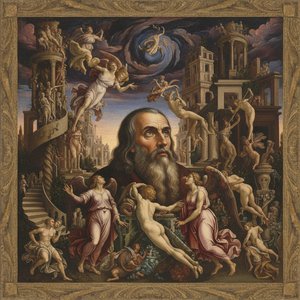
A Portrait of Faith Illuminated: Exploring El Greco’s St. Peter and St. Paul
Doménikos Theotokópoulos, universally known as El Greco – “the Greek” – remains one of the most enigmatic figures in European art history. Born in Crete in 1541 amidst the Venetian dominion, his artistic trajectory wasn't merely geographical; it was a journey through stylistic innovation and spiritual contemplation that ultimately cemented his place among the titans of Mannerism. Unlike many artists of his time who adhered rigidly to established conventions, El Greco possessed an uncanny ability to transcend them, forging a style that resonates with both the solemn grandeur of Byzantine tradition and the expressive dynamism emerging from Renaissance Italy. This distinctive approach – characterized by elongated figures, dramatic lighting, and vibrant color palettes – anticipated movements far beyond its own era, foreshadowing elements of Expressionism and Cubism centuries later.
- Subject Matter: The painting depicts Saint Peter and Saint Paul, two pivotal figures in Christian theology, rendered as solemn portraits against a muted backdrop.
- Style & Technique: El Greco’s style is undeniably Mannerist, prioritizing stylized representation over naturalistic accuracy. He employs dramatic chiaroscuro – intense contrasts between light and dark – to sculpt the forms of his subjects, creating an ethereal quality that elevates them beyond mere physicality.
The meticulous detail evident in the depiction of the robes—deep crimson hues symbolizing papal authority—underscores El Greco’s commitment to conveying spiritual significance. Furthermore, the inclusion of two books serves as a powerful visual metaphor for contemplation and erudition. Their placement suggests that Peter and Paul are engaged in intellectual discourse, highlighting the importance of faith informed by reason within Christian belief. The artist's masterful brushwork contributes to this sense of depth and emotion, capturing not just likeness but also inner character.
Historical Context: Toledo’s Spiritual Crucible
Painted in 1607, St. Peter and St. Paul emerged during a period of profound religious fervor in Toledo, Spain – a city that had endured centuries of Moorish rule before experiencing a resurgence of Christian piety following the Reconquista. El Greco arrived in Toledo in 1593, drawn by the patronage of Philip III and deeply moved by the atmosphere of devotion surrounding him. This environment undoubtedly influenced his artistic vision, prompting him to explore themes of sanctity and transcendence with unparalleled intensity. The painting reflects the broader cultural preoccupation with religious iconography prevalent during the Habsburg era, demonstrating El Greco’s astute understanding of his audience's sensibilities.
- Symbolism: Beyond its depiction of saints, the artwork embodies Christian symbolism—the crimson robes representing papal power and authority; the books symbolizing knowledge and contemplation; and the overall dramatic lighting emphasizing spiritual illumination.
Emotional Impact & Artistic Legacy
El Greco’s St. Peter and St. Paul transcends mere visual representation, conveying a palpable sense of solemnity and reverence. The elongated figures convey an almost otherworldly presence, capturing the essence of faith—a belief rooted in contemplation and illuminated by divine grace. This painting stands as a testament to El Greco's artistic genius, securing his reputation as one of Spain’s most celebrated painters and establishing him as a precursor to modern expressive art. Its enduring appeal lies in its ability to evoke profound emotion and inspire viewers with its masterful technique and symbolic richness—a timeless masterpiece that continues to captivate audiences today.