
オンラインプレビューをはるかに凌ぐ、高解像度で鮮明なデジタル画像をご購入いただけます。
各ファイルは、社内の専門家が高度なツールと熟練した手作業によるレタッチを用いて、細心の注意を払って準備されています。すべての画像において、卓越した鮮明度、正確な色彩再現性、そして繊細なディテールを保証いたします。
最終ファイルは、プロフェッショナルな編集・印刷環境ですぐにご利用いただけるよう最適化された状態で、72時間以内にメールにてお届けいたします。これは、一流のデザインスタジオ、出版社、ギャラリーから信頼されているものと同等の品質です。
TopImpressionists.com を選ぶことは、単に画像を手に入れることではありません。それは、プロの手によって精密に仕上げられ、満足保証が付いた高品質なデジタルアートワークを受け取ることを意味します。ご注文いただいた際に自動的に付随する内容は、以下の通りです:

ご注文から72時間以内に、高解像度のデジタル画像ファイルがメールでお手元に届きます。すぐにそのままご利用いただけます。

お客様の作品は、高度なAIツールと専門家による手作業の編集を組み合わせてプロフェッショナルに最適化されており、細部のディテール、鮮明さ、そして正確な色再現性を最大限に引き出しています。

ファイルを誤って削除したり、紛失してしまったりしましたか?ご安心ください。いつでも無料で再送いたします。

関税や手数料、配送料を気にすることなく、お気に入りのアートワークをすぐにお楽しみいただけます。デジタルダウンロードは常に免税です。

プロ仕様のツールとカラーマネジメント技術を用いることで、デジタル画像が元の色を最大限に忠実に再現することを保証いたします。

ご購入いただいたデジタル画像にご満足いただけない場合は、60日以内であれば、修正または100%の返金(理由を問う必要はありません)をさせていただきます。

ご満足いただけない場合は、デジタルファイルを受け取ってから60日以内であれば、理由を問わず全額返金いたします。

3枚購入で10%OFF - 5枚購入で15%OFF - 10枚以上購入で20%OFF。クリエイティブなプロジェクト、ギャラリー、エージェンシーに最適です。
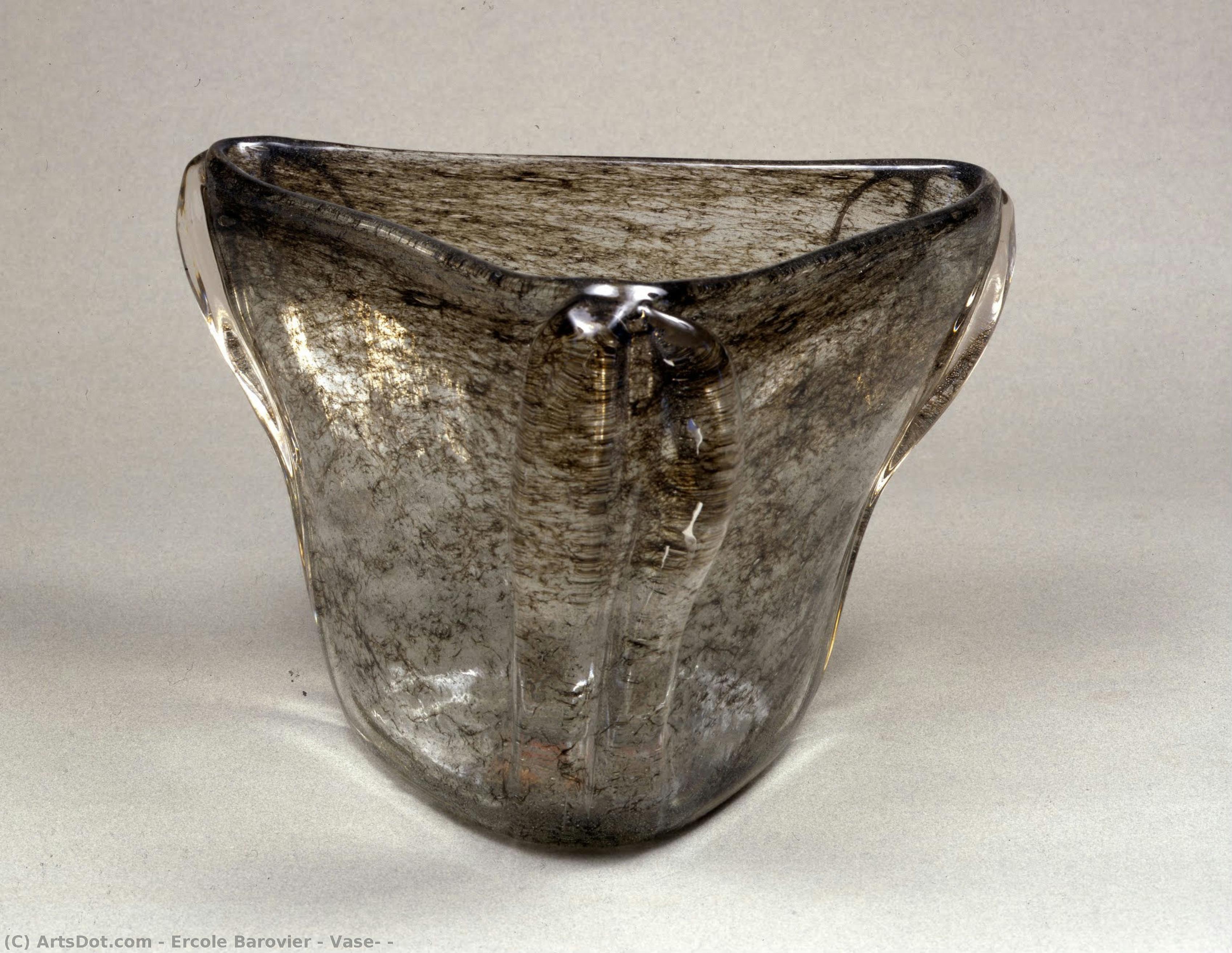
In the realm of mid-century glass artistry, few pieces command attention with such quiet, structural intrigue as this 1936 vase by the Venetian master Ercole Barovier. At first glance, the viewer is met with a captivating paradox: a vessel defined not just by its substance, but by its absence. The centerpiece of this work is a deliberate, sculptural void—a hollow core that pierces through the heart of the material, inviting the eye to dance between the solid and the ethereal. This interplay of light and shadow transforms the object from a mere container into a dynamic sculpture, where the transparency of the glass meets the profound mystery of the empty space within.
The piece serves as a breathtaking testament to the era's fascination with geometric abstraction and the manipulation of negative space. For the discerning collector or interior designer, this vase offers more than just decoration; it provides a focal point that breathes life into a room. When placed under soft ambient lighting, the edges of the glass catch the glow, creating a shimmering halo effect that softens the surrounding environment. It is an object designed to be experienced through movement, as the perspective shifts and the internal aperture reveals new depths of refraction and brilliance.
To understand the soul of this work, one must look toward the fiery furnaces of Murano, where Ercole Barovier breathed new life into centuries-old traditions. Born into a lineage of glassmakers that spans over six hundred years, Barovier possessed an intuitive, almost alchemical connection to his medium. By 1936, he was already pushing the boundaries of what Venetian glass could achieve, moving beyond the decorative mosaics of his ancestors toward a more modern, avant-garde language. This vase embodies that transition—a moment in history where the weight of tradition met the lightness of modernism.
The technique required to create such a precise architectural feature within glass is nothing short of extraordinary. It demands an intimate knowledge of temperature control and the fluid behavior of molten material. Barovier’s ability to manipulate the glass to form a stable, hollowed center speaks to his mastery over the medium's structural integrity. For those seeking to adorn a curated space with a piece of history, this reproduction captures that precise tension between the delicate fragility of glass and the bold, permanent strength of sculptural design.
Integrating a piece of this caliber into a contemporary interior allows for a sophisticated dialogue between historical craftsmanship and modern aesthetics. Whether nestled within a minimalist gallery setting or serving as a centerpiece on a dark, polished mahogany table, the vase acts as an anchor of elegance. It evokes a sense of nostalgia for the golden age of Italian design while remaining strikingly relevant to the clean lines of today's luxury decor.
Owning a reproduction of such a significant work allows one to inhabit the atmosphere of 1930s Venice, bringing a touch of Barovier’s "weaver of light" magic into the home. It is an investment in emotion and atmosphere, offering a constant source of inspiration for anyone who finds beauty in the delicate balance of form, function, and the infinite possibilities found within a single, well-placed shadow.
Born in the heart of Venice in 1889, Ercole Barovier’s life was inextricably linked to the ancient craft of glassmaking – a legacy passed down through generations within his family. His early years were steeped in the traditions of the Baroviers, a name synonymous with Venetian artistry for over six centuries. Unlike many of his contemporaries who pursued formal training, Barovier's genius blossomed from an intuitive understanding of materials and a profound respect for the techniques honed by his ancestors. Initially studying law, he ultimately recognized that his true calling lay within the fiery furnaces of Murano, a decision that would reshape not only his own destiny but also the very landscape of Venetian glass art.
The family’s initial venture, Vetreria Artistica Barovier et C., was already renowned for its pioneering use of murrine – intricate mosaics created by layering colored glass rods. However, it was Ercole's arrival as artistic director in 1919 that ushered in a new era of innovation and aesthetic daring. He inherited a company steeped in tradition but possessed the vision to push beyond established boundaries, blending classical techniques with a distinctly modern sensibility.
Barovier's most significant contribution to the world of glass lies in his development of tessuto vitreo – “vitreous fabric.” This revolutionary technique, born from a serendipitous accident during the creation of the iconic Primavera series, involved layering thick sheets of clear glass with subtle imperfections and inclusions. The result was an ethereal surface that resembled aged parchment or craquelé porcelain, imbued with a captivating sense of depth and movement. Unlike traditional murrine, which relied on precise geometric patterns, tessuto vitreo embraced the beauty of irregularity, creating pieces that felt both meticulously crafted and utterly organic.
He didn’t simply replicate existing techniques; Barovier was a relentless experimenter. He mastered the art of incorporating unusual materials – gold leaf, mother-of-pearl, and even fragments of ceramic – into his designs, elevating glass beyond mere transparency to become a medium capable of capturing light and texture in unprecedented ways. His work wasn’t confined to simple decoration; he explored complex forms, layered textures, and subtle color shifts, pushing the boundaries of what was considered possible with Murano glass.
Several series stand as testaments to Barovier's extraordinary talent. The Primavera collection, perhaps his most celebrated achievement, exemplifies his mastery of tessuto vitreo, with its milky white surfaces shimmering beneath layers of iridescent color. The variations – Primavera, Crepuscolo, Autunno Gemmato, Laguna Gemmata, Marina Gemmata, and Rostrati – each offered a unique interpretation of this captivating technique, showcasing the breadth of his artistic vision.
Beyond the Primavera series, Barovier produced a remarkable range of objects, including elegant vases like the Lenti, which employed a complex cased glass construction to create an illusion of depth and movement. These pieces, often adorned with delicate gold leaf accents, were prized for their exquisite craftsmanship and sophisticated design.
Barovier’s innovative spirit and exceptional artistry garnered widespread recognition throughout his career. He participated in prestigious events such as the Venice Biennale, the Milan Triennale, and the Paris Universal Exposition, receiving numerous awards and accolades, including the coveted Golden Compass Award. His work was exhibited at renowned institutions like the Galleria Sabauda in Turin, ensuring its place within the canon of Italian art.
Ercole Barovier’s legacy extends far beyond his own lifetime. He played a pivotal role in revitalizing Murano glassmaking, introducing new techniques and inspiring generations of artisans. His pioneering work with tessuto vitreo continues to influence contemporary designers and artists, cementing his status as one of the most important figures in the history of Venetian glass art. His pieces are not merely beautiful objects; they are windows into a world of light, color, and illusion – a testament to the enduring power of human creativity.

1889 - 1974 , Italy


最新の美術ニュース、限定オファー、そしてインテリアのアイデアをいち早くお届けします。
お客様のプロジェクトについてお聞かせください。当社の美術専門家が、お客様に合わせた3つのパーソナライズされた芸術提案をご提供いたします。
あなたにぴったりの3作品を無料で厳選いたします

 プリントを購入
 シェアする
シェアする シェアする
シェアする
 詳細を見る
詳細を見る

 ダウンロード
 似ている作品
 スライドショー


 詳細を見る
詳細を見る