

作品のオリジナル比率に合わせた、当店の規定サイズからお選びください。

特定のフレームやスペースに合わせて、ご自身でサイズを指定することも可能です。選択されたサイズが元の画像の比率と一致しない場合、作品をトリミングするか、鏡面反射または単色での塗りつぶしによって画像を拡張いたします。制作を開始する前に、ご確認用のデジタルモックアップをお送りいたします。
画面上のプレビューには、実際のトリミングや拡張は反映されませんのでご注意ください。最終的な構図を正確に確認できるのは、モックアップのみとなります。
カスタムサイズも承っておりますが、元の比率を維持するためには、あらかじめ用意されたリストからサイズを選択することをお勧めいたします。

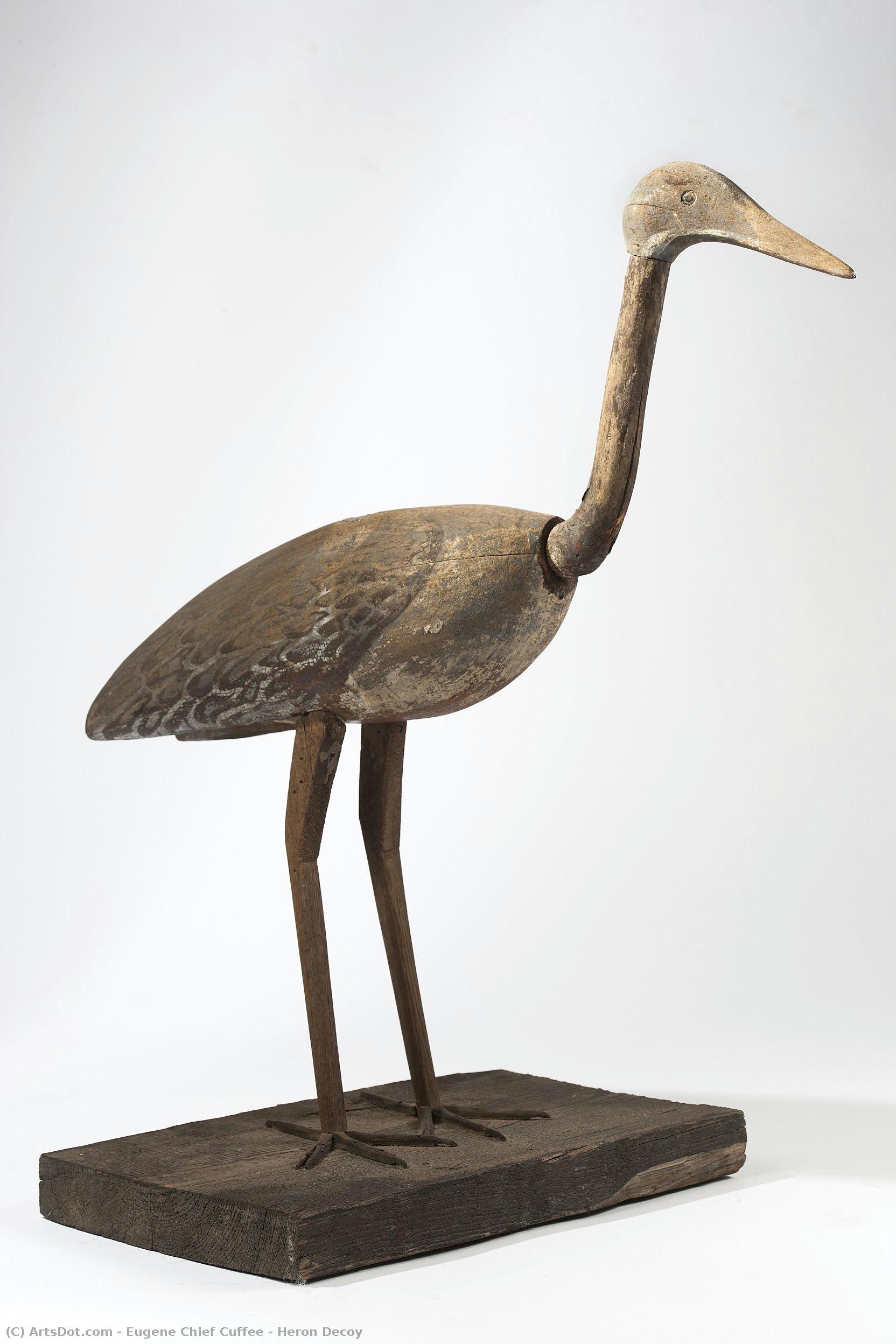
Heron Decoy
複製画のサイズ
Born in Southampton, New York, in 1866, Eugene Chief Cuffee’s life was inextricably linked to the Shinnecock Indian Nation, a resilient community rooted on Long Island's eastern shore. More than just an artist, Cuffee represented a vital thread in the cultural tapestry of his people – a skilled craftsman and storyteller who channeled his heritage into exquisite decoy sculptures that continue to captivate collectors and art enthusiasts today. His work isn’t merely decorative; it’s a tangible link to Shinnecock traditions, hunting practices, and a deep connection with the natural world.
Cuffee's early life remains somewhat shrouded in mystery, though his membership within the Shinnecock Nation is firmly established. He learned the art of decoy carving from his elders, inheriting a tradition passed down through generations. These decoys weren’t simply tools for hunting; they were imbued with spiritual significance and represented a profound respect for the waterfowl that sustained his community. The meticulous detail evident in each piece – the precise feather patterns, the subtle curves of the bodies, the lifelike eyes – speaks to an artist deeply attuned to the essence of his subject.
Cuffee’s primary medium was metal—primarily copper and brass—though he also skillfully employed cedar, tupelo, and cork for his wooden decoys. The choice of material reflected both practicality and aesthetic considerations. Metal decoys offered durability and a distinctive sheen, while the wood decoys echoed traditional Shinnecock practices. His technique involved intricate hammering, soldering, and polishing, transforming raw metal into remarkably realistic representations of ducks – primarily herons, pintails, and canvasbacks.
Beyond mere replication, Cuffee’s work carried symbolic weight. The precise rendering of each feather, the subtle variations in color and texture, were not arbitrary; they reflected a deep understanding of avian anatomy and behavior. Furthermore, the decoys themselves served as reminders of the importance of sustainable hunting practices within the Shinnecock community – a connection to the land and its resources that remained paramount.
Perhaps Cuffee’s most celebrated work is “Heron Decoy,” created in 1930. This piece, now housed at the Long Island Museum of American Art, History, and Carriages, exemplifies his mastery of metalwork and his ability to capture the spirit of a wild bird. The intricate detailing of the heron's plumage, combined with its dynamic pose, is truly remarkable. “Heron Decoy” stands as a testament to Cuffee’s artistic vision and technical skill.
Despite his considerable talent, Cuffee’s work received relatively little recognition during his lifetime. However, in recent decades, there has been a growing appreciation for his contributions to Native American art and the unique aesthetic of Shinnecock decoys. His pieces have been offered at auction with realized prices ranging from $400 to $1,800, demonstrating increasing market interest and scholarly recognition.
Eugene Chief Cuffee’s legacy extends far beyond the individual artworks he created. He played a crucial role in preserving Shinnecock traditions and ensuring that this rich artistic heritage was passed on to future generations. His involvement in removing a large rock from West Woods Beach and placing it at the Shinnecock Nation Cultural Center & Museum in 1981 further underscores his commitment to community development and cultural preservation.
Today, Cuffee’s decoys are treasured objects – not just for their aesthetic beauty but also for the stories they tell. They represent a vital connection to the past, a celebration of Shinnecock culture, and a testament to the enduring power of art to connect us to our heritage. His work continues to inspire artists and collectors alike, ensuring that the legacy of Eugene Chief Cuffee will endure for generations to come.

1866 - 1941 , United States of America


最新の美術ニュース、限定オファー、そしてインテリアのアイデアをいち早くお届けします。
お客様のプロジェクトについてお聞かせください。当社の美術専門家が、お客様に合わせた3つのパーソナライズされた芸術提案をご提供いたします。
あなたにぴったりの3作品を無料で厳選いたします
 Preview
 手描き複製画を注文する
 シェアする
シェアする シェアする
シェアする
 詳細を見る
詳細を見る

 ダウンロード
 似ている作品
 X線調査
X線調査 スライドショー
 詳細を見る
詳細を見る






































 ガラスオプションは、110cm未満のサイズでのみご利用いただけます。


