































作品のオリジナル比率に合わせた、当店の規定サイズからお選びください。

特定のフレームやスペースに合わせて、ご自身でサイズを指定することも可能です。選択されたサイズが元の画像の比率と一致しない場合、作品をトリミングするか、鏡面反射または単色での塗りつぶしによって画像を拡張いたします。制作を開始する前に、ご確認用のデジタルモックアップをお送りいたします。
画面上のプレビューには、実際のトリミングや拡張は反映されませんのでご注意ください。最終的な構図を正確に確認できるのは、モックアップのみとなります。
カスタムサイズも承っておりますが、元の比率を維持するためには、あらかじめ用意されたリストからサイズを選択することをお勧めいたします。

Maternité
複製画のサイズ
Born in 1884 in Livorno, Italy—a vibrant port city steeped in Jewish heritage and a haven for those seeking refuge from persecution—Amedeo Modigliani’s life was one of both profound artistic brilliance and heartbreaking struggle. His early years were marked by exposure to the rich artistic traditions of antiquity and the Renaissance, nurtured within his family's intellectual environment. This foundation would later inform his distinctive style, characterized by elongated forms, expressive eyes, and a hauntingly melancholic beauty. Moving to Paris in 1906, he plunged headfirst into the heart of the burgeoning avant-garde, becoming inextricably linked with the School of Paris—a melting pot of artistic innovation that redefined modern art.
Modigliani’s early work was heavily influenced by African sculpture and the works of Paul Gauguin. He experimented with various mediums – primarily sculpture and drawing – before finding his true voice in painting. His portraits, particularly those of women, quickly gained recognition for their arresting intensity and psychological depth. He wasn't simply rendering likenesses; he was capturing a fleeting essence, an inner world revealed through subtle shifts in expression and posture. The faces of his subjects—often models from the Parisian bohemian scene—were elongated and subtly distorted, creating a sense of timelessness and dreamlike quality. This stylistic choice, coupled with his masterful use of color and light, set him apart from his contemporaries.
Modigliani’s life was tragically cut short in 1920 at the age of 35 due to complications from tuberculosis. His struggles with illness were intertwined with a tumultuous personal life, marked by passionate but ultimately destructive relationships. His most enduring connection was with Jeanne Hébuterne, a young model and his muse, whom he married in 1918. Their relationship, though intense, was fraught with instability and sorrow; Jeanne succumbed to tuberculosis just two years later. The loss of Jeanne profoundly impacted Modigliani, deepening his melancholy and contributing to his declining health.
The First World War cast a long shadow over Europe, and Modigliani’s experiences as an army war artist further exacerbated his emotional turmoil. He documented the horrors of trench warfare with unflinching honesty, creating powerful images that captured the physical and psychological toll of conflict. These wartime paintings, often starkly rendered in muted tones, stand in sharp contrast to the vibrant colors and sensual beauty of his earlier work, revealing a deeper layer of vulnerability beneath his artistic facade.
Modigliani’s artistic development was significantly shaped by his encounter with the Neo-Impressionist movement. Initially drawn to the principles of Pointillism, pioneered by Georges Seurat and Paul Signac, he adopted this technique—applying tiny dots of pure color to create an optical illusion of blended hues—to achieve luminosity and vibrancy in his paintings. However, Modigliani quickly moved beyond strict adherence to Pointillist dogma, incorporating elements of Cubism and Fauvism into his own unique style. He skillfully manipulated color and form to evoke emotion and psychological states, rather than simply replicating visual reality.
During his lifetime, Modigliani’s work was largely misunderstood and undervalued. His unconventional style and association with the bohemian underworld of Paris did little to enhance his reputation. However, after his death, his paintings began to attract increasing attention from collectors and critics. Today, Modigliani is considered one of the most important artists of the 20th century—a master of portraiture whose hauntingly beautiful images continue to captivate audiences worldwide. His elongated figures, expressive eyes, and evocative use of color have had a profound influence on generations of artists, solidifying his place as a pivotal figure in modern art history.
His works are held in major museums globally, including the Musée du Louvre in Paris, the Metropolitan Museum of Art in New York, and the National Gallery in London. The enduring appeal of Modigliani’s art lies not only in its aesthetic beauty but also in its poignant exploration of human emotion—a testament to the enduring power of a tragically short but remarkably brilliant life.

1884 - 1926 , Poland

Fall in love with art! Explore 10 iconic romantic paintings – from Renaissance classics to Impressionist masterpieces. Discover the stories behind artists like Monet & Klimt, and find museum-quality reproductions for your home at .
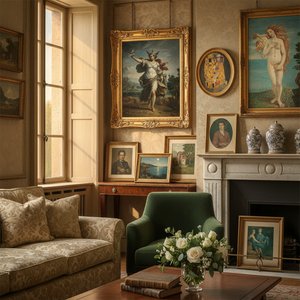
Fall in love with art! Explore 10 iconic romantic paintings – from Monet & Bouguereau to Fragonard. Discover the stories behind these masterpieces and find museum-quality reproductions for your home decor at .

Explore the captivating world of Romantic art! Discover its history, psychological depth, key artists like Friedrich & Goya, and find timeless pieces for your collection at TopImpressionists.com.

葛飾北斎の25選:『神奈川沖浪裏』や『富嶽三十六景』など、浮世絵の世界を深く探求。木版画の技法と日本美術の美をTopImpressionistsで。高品質なアートプリントで空間に感動を。コレクションはこちら。

Explore the opulent world of Rococo art! Discover Watteau, Boucher & Nattier's masterpieces. Expert insights for collectors seeking museum-quality reproductions and custom portraits at TopImpressionists.


最新の美術ニュース、限定オファー、そしてインテリアのアイデアをいち早くお届けします。
お客様のプロジェクトについてお聞かせください。当社の美術専門家が、お客様に合わせた3つのパーソナライズされた芸術提案をご提供いたします。
あなたにぴったりの3作品を無料で厳選いたします
 手描き複製画を注文する
 シェアする
シェアする シェアする
シェアする
 詳細を見る
詳細を見る

 ダウンロード
 似ている作品
 X線調査
X線調査 スライドショー
 詳細を見る
詳細を見る









 ガラスオプションは、110cm未満のサイズでのみご利用いただけます。


