































作品のオリジナル比率に合わせた、当店の規定サイズからお選びください。

特定のフレームやスペースに合わせて、ご希望のサイズをご入力いただけます。選択されたサイズが元の画像の比率と異なる場合、アートワークをトリミングするか、手描きで要素を追加して絵画を拡張いたします。デジタルモックアップ を制作し、制作開始前にご確認(承認)をいただきます。
画面上のプレビューは、実際のトリミングや拡張を正確に反映しているものではありません。最終的な構図は、モックアップによってのみ正確にご確認いただけます。
カスタムサイズもご利用いただけますが、元の比率を維持するためには、あらかじめ用意されたリストからサイズを選択することをお勧めいたします。

Three figures
複製画のサイズ
“Three Figures,” painted in 1921 by the groundbreaking artist Fernand Léger, offers a compelling glimpse into the heart of early 20th-century modernity. This work, executed in Léger's signature Cubist style, isn’t merely a depiction of three individuals; it’s an exploration of human form within the burgeoning landscape of industrialization and urban life. The painting immediately draws the eye to the central trio – two figures intimately connected through a shared embrace, and a third positioned slightly behind, suggesting a dynamic movement and interaction. Scattered throughout the composition are smaller, fragmented figures, echoing Léger’s fascination with the mechanical world and its impact on human experience.
Created during a pivotal moment in art history, “Three Figures” exemplifies Léger’s radical approach to Cubism. Unlike some of his contemporaries who sought purely abstract forms, Léger remained deeply engaged with the observable world, translating its geometric qualities – the sharp angles of machinery, the rigid lines of urban architecture – into his artistic language. The painting's fractured planes and multiple perspectives challenge traditional notions of representation, forcing the viewer to actively participate in constructing the image. Léger’s use of bold black and white further emphasizes this effect, stripping away any superfluous detail to reveal the underlying structure of form. This technique was heavily influenced by his upbringing on a farm, where he observed the precise, functional forms of agricultural tools and structures.
Beyond its formal qualities, “Three Figures” is rich in symbolic potential. The embrace between the two central figures suggests connection, intimacy, and perhaps even a yearning for stability amidst the rapid changes occurring around them. The guitar, prominently placed within the scene, adds another layer of interpretation – representing leisure, social interaction, and the burgeoning cultural life of the modern city. Léger’s deliberate use of simplified forms and stark contrasts evokes a sense of both alienation and fascination with the machine age. There's an underlying melancholy in the composition, reflecting perhaps the anxieties and uncertainties associated with this period of unprecedented technological advancement.
Painted in 1921, “Three Figures” represents a high point in Léger’s artistic development. The work demonstrates his mastery of oil paint, utilizing thick impasto to create a tactile surface that emphasizes the solidity of form. Léger's meticulous attention to detail, combined with his innovative approach to Cubism, firmly established him as one of the leading figures of the modern art movement. This piece is a testament to Léger’s ability to synthesize influences from various sources – including Fauvism and early Futurism – into a uniquely personal and powerfully expressive style. It's important to note that this painting was created during a time of immense social and technological upheaval, reflecting the anxieties and aspirations of a generation grappling with the dawn of the modern era.

1881 - 1955 , フランス

ホテルデザインに最適な黒、白、グレーの抽象画選びをサポート。色彩心理学に基づいた空間演出から、TopImpressionists.comのカスタムアートまで、専門家が洗練されたインテリアを実現します。
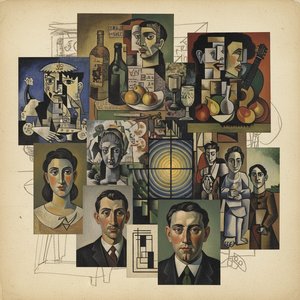
Explore 10 Cubist masterpieces by Picasso, Braque & more! Delve into the history of this revolutionary art movement. Find museum-quality reproductions and elevate your home decor with TopImpressionists. Discover all masterpieces on TopImpressionists.com

キュビスムを代表する10大名作の世界へ。ピカソ、ブラックら巨匠の革新的な技と色彩が織りなす、時代を超越した芸術体験を。TopImpressionists.comで、至高のアートプリントとインテリアアイデアを発見しましょう。

Explore 10 revolutionary Cubist portraits by Picasso, Braque & more! Discover the stories behind these iconic paintings and how they shaped modern art. Find museum-quality reproductions to elevate your home decor on TopImpressionists.com.

Delve into the power of 'Ivory Black' with 10 iconic paintings by masters like Rembrandt & Caravaggio. Explore dramatic chiaroscuro, gothic moods & timeless art history. Find museum-quality reproductions and elevate your home decor at


最新の美術ニュース、限定オファー、そしてインテリアのアイデアをいち早くお届けします。
お客様のプロジェクトについてお聞かせください。当社の美術専門家が、お客様に合わせた3つのパーソナライズされた芸術提案をご提供いたします。
あなたにぴったりの3作品を無料で厳選いたします
 プリントを購入
 シェアする
シェアする シェアする
シェアする
 詳細を見る
詳細を見る

 ダウンロード
 似ている作品
 X線調査
X線調査 スライドショー

 詳細を見る
詳細を見る









 ガラスオプションは、110cm未満のサイズでのみご利用いただけます。


