































作品のオリジナル比率に合わせた、当店の規定サイズからお選びください。

特定のフレームやスペースに合わせて、ご自身でサイズを指定することも可能です。選択されたサイズが元の画像の比率と一致しない場合、作品をトリミングするか、鏡面反射または単色での塗りつぶしによって画像を拡張いたします。制作を開始する前に、ご確認用のデジタルモックアップをお送りいたします。
画面上のプレビューには、実際のトリミングや拡張は反映されませんのでご注意ください。最終的な構図を正確に確認できるのは、モックアップのみとなります。
カスタムサイズも承っておりますが、元の比率を維持するためには、あらかじめ用意されたリストからサイズを選択することをお勧めいたします。

untitled (749)
複製画のサイズ
Fernand Léger's "untitled (749)," a captivating monochrome drawing, isn’t merely a depiction of figures on bicycles; it’s a vibrant snapshot of the burgeoning modernity that gripped Europe in the early 20th century. Created around 1930, this piece embodies Léger’s signature “Tubism,” a style he pioneered – a bold departure from traditional representation that sought to capture the essence of industrial life and its impact on human experience. The drawing pulsates with an energy born from simplified forms, geometric precision, and a deliberate fragmentation of perspective, inviting viewers into a world where the familiar is subtly transformed.
Léger’s approach to Cubism wasn't about replicating reality; it was about distilling it. He moved beyond Picasso and Braque’s initial explorations of fractured planes, developing a more streamlined aesthetic. “untitled (749)” exemplifies this with its flattened perspective – figures are presented simultaneously from multiple viewpoints, creating an illusion of depth through overlapping forms rather than traditional spatial relationships. The bicycles themselves aren't rendered realistically; instead, they become stylized machines, their wheels and frames reduced to essential geometric shapes. This deliberate simplification isn’t a rejection of detail, but a conscious choice to highlight the underlying structure and mechanics of the scene.
More than just an observation of urban life, “untitled (749)” speaks to the transformative power of industrialization. Léger was deeply fascinated by machines and their impact on society, viewing them as both a source of progress and a potential threat to traditional ways of life. The figures interacting with the bicycles can be interpreted as representing humanity’s adaptation to this new reality – embracing the speed and efficiency of modern transportation while grappling with its implications for social interaction and individual identity. The monochrome palette further emphasizes this industrial theme, evoking the cold steel and functional surfaces of factories and machines.
The drawing's composition suggests a sense of hurried movement, mirroring the pace of life in an increasingly mechanized world.Fernand Léger was a pivotal figure in the transition from early Cubism to more accessible forms of modern art. His work paved the way for Pop Art, demonstrating that everyday subjects—like bicycles and urban scenes—could be elevated to the level of artistic expression. His exploration of industrial themes resonated with a generation grappling with rapid technological advancements and societal change. Léger’s influence extends beyond painting; his distinctive style has been adopted by designers, architects, and filmmakers, solidifying his place as a key innovator in 20th-century art. Reproductions of “untitled (749)” offer a tangible connection to this groundbreaking artist and his enduring vision.
Today, "untitled (749)" stands as a testament to Léger’s unique ability to capture the spirit of an era—a dynamic blend of mechanization, movement, and human interaction that continues to resonate with audiences today.

1881 - 1955 , フランス

ホテルデザインに最適な黒、白、グレーの抽象画選びをサポート。色彩心理学に基づいた空間演出から、TopImpressionists.comのカスタムアートまで、専門家が洗練されたインテリアを実現します。

Explore the revolutionary world of Early Modernism! Discover key artists like Picasso & Léger, pivotal movements, and lasting philosophical influences. Uncover the seeds of change that shaped 20th-century art.
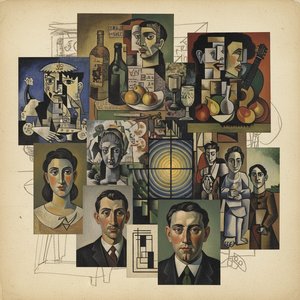
Explore 10 Cubist masterpieces by Picasso, Braque & more! Delve into the history of this revolutionary art movement. Find museum-quality reproductions and elevate your home decor with TopImpressionists. Discover all masterpieces on TopImpressionists.com

キュビスムを代表する10大名作の世界へ。ピカソ、ブラックら巨匠の革新的な技と色彩が織りなす、時代を超越した芸術体験を。TopImpressionists.comで、至高のアートプリントとインテリアアイデアを発見しましょう。

フェルナン・レジェの傑作25選。機械美と色彩が織りなすキュビズムの世界を紐解きます。TopImpressionistsで、フランス絵画の巨匠レジェの作品を高精細プリントで。インテリアアートやギフトにも最適です。全コレクションはこちら: TopImpressionists.com


最新の美術ニュース、限定オファー、そしてインテリアのアイデアをいち早くお届けします。
お客様のプロジェクトについてお聞かせください。当社の美術専門家が、お客様に合わせた3つのパーソナライズされた芸術提案をご提供いたします。
あなたにぴったりの3作品を無料で厳選いたします
 手描き複製画を注文する
 シェアする
シェアする シェアする
シェアする
 詳細を見る
詳細を見る

 ダウンロード
 似ている作品
 X線調査
X線調査 スライドショー

 詳細を見る
詳細を見る









 ガラスオプションは、110cm未満のサイズでのみご利用いただけます。


