アトリエ — 世界中へ送料無料 — お届けまで2〜6週間
写真を絵画に ウィッシュリスト カート
プレビュープレビュー ARで試着ARで試着 手描きの絵画を購入 手描きの絵画を購入画像を購入 画像を購入 シェアするシェアする
詳細を見る詳細を見る お気に入りに追加 お気に入りに追加 ダウンロードダウンロード 似ている作品似ている作品 X線調査X線調査 スライドショースライドショー

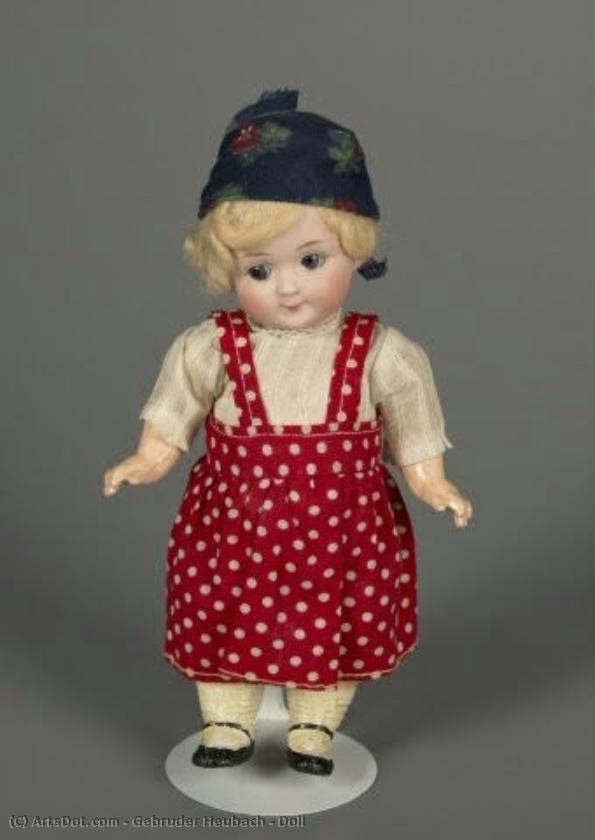
Doll

Discover Gebruder Heubach (Ernst Heubach), a renowned German doll manufacturer from Köppelsdorf, Thuringia. Known for high-quality porcelain bisque dolls with detailed features and unique horseshoe stamps, their creations are highly collectible.

ジークレー/アートプリント

迅速な制作と多彩な仕上げオプションを備えた、ミュージアムクオリティのジークレーまたはキャンバスプリント。 (手描きの絵画を購入 手描きの絵画を購入画像を購入 画像を購入)

Standard
custom
CM
INCH

作品のオリジナル比率に合わせた、当店の規定サイズからお選びください。

高さ

特定のフレームやスペースに合わせて、ご自身でサイズを指定することも可能です。選択されたサイズが元の画像の比率と一致しない場合、作品をトリミングするか、鏡面反射または単色での塗りつぶしによって画像を拡張いたします。制作を開始する前に、ご確認用のデジタルモックアップをお送りいたします。
画面上のプレビューには、実際のトリミングや拡張は反映されませんのでご注意ください。最終的な構図を正確に確認できるのは、モックアップのみとなります。
カスタムサイズも承っておりますが、元の比率を維持するためには、あらかじめ用意されたリストからサイズを選択することをお勧めいたします。

世界中への配送()は、標準の4〜5週間ではなく、2週間でお届けいたします。(12 8月)

why_choose_icon
世界中へ無料エクスプレス配送
why_choose_icon
高品質なリネンキャンバス
why_choose_icon
配送時完全保険付
why_choose_icon
関税・輸入税の払い戻し保証
why_choose_icon
忠実な色彩再現保証
why_choose_icon
60日間返品保証(製造上の欠陥のみ)
why_choose_icon
100% 全額返金保証
why_choose_icon
まとめ買い割引のご案内

合計金額

$ 69

reproduction

Doll

ジークレー/アートプリント

複製画のサイズ

-

合計金額

$ 69

作品詳細説明

At the beginning of the 20th century, some dolls

アーティストの略歴

Gebruder Heubach: Masters of Bisque Porcelain Dolls

Ernst Heubach (1858-1932) stands as a pivotal figure in the history of German toy manufacturing, specifically renowned for his contribution to the exquisite art of bisque porcelain dolls. Based in Köppelsdorf, Thuringia—a region steeped in tradition and nestled near Sonneberg’s famed Toy Museum—the Heubach brothers established their workshop in 1858, initially focusing on crafting delicate porcelain figurines alongside tableware items. However, it was the production of bisque dolls from 1885 onwards that cemented their legacy as innovators and artisans of unparalleled quality.
  • Early Years & Founding: Georg Christoph Heubach and Philipp Jakob Heubach inherited a modest porcelain factory from Wilhelm Liebmann in Lichte, Thuringia. Recognizing the potential for artistic expression beyond utilitarian ceramics, they embarked on a journey to elevate porcelain artistry, establishing Ernst Heubach Porzellanfabrik in 1876.
  • Innovation & Expansion: Driven by entrepreneurial spirit and fueled by collaborations with skilled sculptors from Sonneberg’s Art School, the brothers swiftly broadened their horizons. They embraced new technologies—particularly the introduction of bisque firing—allowing for unprecedented detail and realism in doll faces. This pioneering approach attracted partnerships with prominent doll makers like Cuno & Otto Dressel and Adolf Wislizenus.
  • The Doll Mark: A distinctive horseshoe mark, symbolizing prosperity and craftsmanship, became synonymous with Heubach dolls. This emblem—often found stamped on the porcelain heads—served as a testament to their meticulous production standards and unwavering commitment to artistic excellence. The mark’s presence instantly identifies these dolls as creations of exceptional quality.
  • Notable Collaborations & Doll Ranges: Gebrüder Heubach didn't operate in isolation; they actively engaged with fellow artisans, fostering a vibrant ecosystem of doll production. Their dolls graced the workshops of Cuno & Otto Dressel, Johannes Gottilf Dietich, Seyfarth & Reinhardt and Adolf Wislizenus, resulting in diverse collections reflecting stylistic influences from across Europe.
  • Legacy & Decline: Despite facing challenges during World War I and subsequent political upheaval—including nationalization by East Germany—Gebruder Heubach persevered. The firm’s final incarnation, Vereinigte Köppelsdorf Porzellanfabrik vorm. Armand Marseille und Ernst Heubach, continued to produce dolls until 1932. Though the workshop ceased operations during the Nazi era, its enduring influence on German toy history remains undeniable.
The brothers' dedication to perfecting bisque firing—a technique that involved fusing porcelain clay at high temperatures—yielded dolls with remarkably lifelike facial features and hair textures. These dolls weren’t merely toys; they were miniature artworks imbued with artistic vision and technical mastery. Their enduring appeal lies in the meticulous craftsmanship evident in every detail, from delicately painted eyes to painstakingly sculpted expressions. Furthermore, Gebruder Heubach's collaborations extended beyond mere production—they nurtured an environment of artistic exchange. Partnerships with sculptors like Armand Marseille fostered stylistic innovation and ensured that their dolls reflected the aesthetic sensibilities of their time. The horseshoe mark itself became a symbol of quality and tradition, instantly recognizable by collectors worldwide. Today, Gebruder Heubach dolls are treasured possessions among antique doll enthusiasts—a testament to the brothers’ unwavering commitment to artistic excellence and their pioneering role in shaping the history of German toy manufacturing. Their creations continue to captivate audiences with their beauty and artistry, securing their place as icons of a bygone era.
gebruder heubach

gebruder heubach

1858 - 1932 , Germany

基本情報

  • Artistic Movement Or Style: Doll Manufacture
  • Artists Or Movements Influenced By This Artist: ['Cuno & Otto Dressel']
  • Artists Who Influenced This Artist: ['Armand Marseille']
  • Date Of Birth: 1858
  • Full Name: Georg Christoph Heubach & Philipp Jakob Heubach
  • Nationality: German
  • Notable Artworks:
    • Jutta
    • Igodi
    • Revalo
  • Place Of Birth: Köppelstedt, Germany
© © TopImpressionists.com All Rights Reserved  ·  100% 手描き · 満足保証 · 全世界送料無料
VISA MASTERCARD