

 設置イメージを表示
 シェアする
シェアする シェアする
シェアする
 詳細を見る
詳細を見る ガイドを表示

 ダウンロード
 似ている作品
 X線調査
X線調査 スライドショーを表示
 Q&A
Q&A 統計情報
統計情報Interrogation

- 46.0 x 59.0 cm


George Grosz’s haunting ‘Interrogation,’ painted in 1938, confronts viewers with a brutal depiction of political repression and violence during the Weimar Republic era. The artist's sharp lines and unsettling imagery capture a moment of intense confrontation amidst blood-splattered walls—explore this dramatic masterpiece.
 詳細を表示
詳細を表示
ジョージ・グロス(1893-1959)は、ベルリン・ダダと新即物主義を代表する画家。ワイマール共和制下の社会批判やファシズムへの痛烈な風刺を描いた作品で知られる。歪んだ表現による力強いカリカチュアが特徴。
このページに掲載されている作品は著作権法によって保護されており、当社の許可なく同一の複製物を制作または販売することは法律で禁じられています。この保護は、以下のような国際条約に基づき執行されます。 ベルヌ条約 および、以下の条項に定められたものを含む各国の法律により、 米国著作権法 第17編。
この手法は、著作権で保護された作品の複製や複写を伴わないため、著作権法に完全に準拠しています。これは単なる模倣ではなく、創造的な再解釈です。元の作品からインスピレーションを受けつつも、それとは異なる、全く新しい絵画を生み出すものです。
ジークレー/アートプリント
スピーディーな制作と多彩な仕上げオプションが魅力の、ミュージアムクオリティなジークレー・キャンバスプリント。 ( 手描き複製画を注文する デジタル画像販売へ切り替え)




P118B ¥10

P118H ¥10

P118W ¥10

P438Z ¥10

P508JH ¥12

P508YH ¥12

P805H ¥10

P805Z ¥10

P919BZ ¥10

P919G ¥10

P919XJ ¥10

P959ZH ¥10

P968JZ ¥12

W106C ¥8

W218G ¥10

W218JH ¥8

W218Y ¥10

W307PJ ¥10

W316G ¥10

W316PJ ¥8

W316Y ¥10

W398PJ ¥8

W4111J ¥10

W500HY ¥15

W500JH ¥15

W692G ¥12

W849H ¥8

W940BG ¥15

W953PJ ¥8




標準サイズ
オーダーメイド
CM
INCH
作品のオリジナル比率に合わせた、当店の規定サイズからお選びください。
Loading sizes...

横幅
高さ
額縁や壁のスペースに合わせて、ご希望の幅と高さを入力してください。プリントはカットすることは可能ですが、元の画像より大きくすることはできないため、異なる比率のサイズを選択された場合は、画像の一部が欠けることになります。印刷を開始する前に、内容を確認していただくためのデジタルモックアップをお送りいたします。このページに表示されている画像は、実際のカット後の状態を示すものではありません。実際の仕上がりはモックアップにてご確認ください。


 ガラスオプションは、110cm未満のサイズでのみご利用いただけます。

Interrogation
ジークレー/アートプリント
複製画サイズ一覧
-


合計金額
¥ 11078
A Visceral Encounter with Shadows
In the haunting depths of George Grosz’s 1938 masterpiece, Interrogation, the viewer is not merely an observer but a silent witness to a moment of profound psychological and physical violation. The painting presents a scene of stark, unsettling tension: three men are locked in a grim confrontation within a room that feels heavy with the scent of dread. At the center of this drama, a man sits with his hands bound behind his back, his very posture a testament to vulnerability and resistance. Surrounding him, the figures of his interrogators loom, their presence injecting a palpable sense of menace into the composition. The room itself tells a story of recent violence; bloodstains mar the floor and walls, suggesting that the interrogation is but one chapter in a larger cycle of brutality. This is not a static portrait, but a living, breathing fragment of a much darker narrative, capturing the precise second where tension threatens to erupt into tragedy.
To gaze upon this work is to experience the raw power of Brutal Realism infused with the jagged, emotive distortions of Expressionism. Grosz, a master of dissecting the societal rot of his era, eschews the polished aesthetics of traditional academic art in favor of a more visceral truth. His technique relies on sharp, angular lines and a deliberate use of light and shadow to amplify the dramatic conflict. The artist utilizes oil on canvas to create a surface that feels almost tactile; one can sense the weight of the textures as they depict the grim reality of the setting. The stark contrasts do not merely illuminate the subjects but serve to carve them out of the darkness, emphasizing the psychological torment etched into their features and the cold, unforcketing atmosphere of the room.
The Echoes of a Crumbling Republic
To understand the profound emotional impact of Interrogation, one must look toward the turbulent landscape of late Weimar Germany. Created in 1938, as the shadows of fascism were lengthening across Europe, the painting serves as a chilling reflection of the political polarization and systemic violence that defined the era. Grosz, a prominent figure in the Berlin Dada and New Objectivity movements, used his brush as a weapon to indict the moral decay of his time. This specific work carries deep personal and historical resonance, referencing the persecution and even the murder of figures like the anarchist Erich Mühsam. The painting captures the pervasive disillusionment of an intellectual class caught between the collapse of democracy and the rise of an oppressive new order.
For the discerning collector or interior designer, Interrogation offers more than just a striking visual; it provides a profound conversation piece that explores themes of power, justice, and human resilience. As a high-quality reproduction, this piece brings a sophisticated, intellectual gravity to any space, whether it be a private study, a gallery, or a curated contemporary living area. It is an artwork for those who appreciate the capacity of fine art to confront uncomfortable truths and to find beauty in the unflinching examination of the human condition. Owning such a work is an invitation to engage with history, to contemplate the fragility of peace, and to celebrate the enduring power of the artist's voice against the tide of silence.
Q&A
ジョージ・グロス作「Interrogation」の原画はどこで見ることができますか?
原画の「Interrogation」はBen Uri Gallery and Museum, ロンドン, イギリスにてご覧いただけます。
「Interrogation」の作者と、その画風について教えてください。
ジョージ・グロスは、Expressionist Satireのムーブメントにおいて「Interrogation」を制作しました。
「Interrogation」の作者は誰ですか?
「Interrogation」はジョージ・グロスによる作品です。このページでは、ジョージ・グロスのオリジナル作品についてご紹介しています。
作家プロフィール
崩壊する世界を告発した表現者:ジョージ・グロスの生涯と芸術
1893年、ベルリンにゲオルク・エーレンフリードリヒ・グロスとして生まれたジョージ・グロスは、社会の衰退と政治的激動を視覚的に記録した人物でした。彼の芸術は、激動のヴァイマル共和制やファシズムの台頭という時代背景にあるだけでなく、それに対する生々しい反応であり、鋭い線とグロテスクな風刺画で描かれた激しい告発でした。グロスは単にベルリンを描いたのではなく、その道徳的腐敗を容赦ない正直さで暴き出し、解剖しました。彼の人生の初期は、父親の死によって不安定さがもたらされ、母親が将校クラブの経営を引き継ぎ、若いゲオルクはプロイセン軍国主義と厳格な社会階層の世界に置かれることになりました。彼は後に執拗に風刺することになる世界です。彼の正式な芸術的訓練は、エドゥアルト・フォン・グリュッツナーのような伝統的なオランダの巨匠の模写から始まり、学術的な慣習を放棄する前に技術力を磨きました。しかし、この初期の鍛錬は、彼独自の表現様式が構築される基盤となりました。ダダイズム、新即物主義、そして批判的視点の誕生
グロスの芸術的発展は、第一次世界大戦後のドイツで花開いたアヴァンギャルド運動と不可分に結びついていました。彼はベルリン・ダダイの中心人物となり、そのニヒリズムの精神と反体制的な熱狂を受け入れました。しかし、純粋な不条理に耽溺した同時代のダダイストとは異なり、グロスはダダイの反逆的なエネルギーを鋭い社会批判へと転換しました。この時期の彼の作品—1921年の『穴』や1926年の『社会の柱』のような作品—は、ドイツブルジョワジー、軍事エリート、そして国を破滅に導いた腐敗した政治システムに対する痛烈な告発でした。彼は美的美には関心がなく、衝撃を与え、挑発し、偽善を暴露しようとしました。この社会批判へのコミットメントは、現実主義的な描写でありながらも感情を排した同時代の生活を描いた『新即物主義』への参加へと発展しました。New Objectivityの焦点に焦点を当てながらも、グロスは他のグループに関連する芸術家とは一線を画す独特の辛辣な風刺を注入しました。彼の絵画やドローイングは単なる現実の表現ではなく、崩壊寸前の社会の歪んだ反映でした。亡命と変容:新世界、そして変化する様式
ナチズムの台頭により、グロスは1933年に亡命を余儀なくされました。彼はアメリカ合衆国に避難し、1938年に市民権を取得しました。この移住は、彼の芸術的キャリアにおける重要な転換点となりました。彼が最も強力な作品を生み出した直接的な文脈から離れ、異なる社会政治的現実と対峙したグロスの様式は変化を始めました。露骨に攻撃的な風刺画はより控えめな風景や肖像画に取って代わられ、しばしばメランコリーと幻滅の色合いを帯びていました。彼はニューヨークのArt Students Leagueで展示会を開き教鞭を取りましたが、彼の作品にはベルリン時代のような生々しい緊迫感は欠けていました。彼は新しい環境の中で自分の居場所を見つけようと苦闘し、疎外感や芸術的不確実性に苛まれました。この時期に現れた黙示録的なビジョン—荒涼とした風景や断片化された人物を描いた絵画—は、ヨーロッパで繰り広げられている恐怖だけでなく、彼自身の内面の葛藤も反映していました。遺産と永続する意義
ジョージ・グロスは1959年にベルリンに戻り、その直後に亡くなりました。それは彼を鼓舞し、悩ませてきた街への痛切な帰還でした。彼の遺産はヴァイマル共和制の歴史的背景を超えて広がっています。彼は不都合な真実と社会規範に挑戦することを恐れなかった芸術家の強力な例であり続けています。彼の作品は、政治的な過激主義、社会的不公正、そして抑制されていない権力の危険性についての警告物語として機能します。- 風刺の力: グロスの巧みな風刺画の使用は、今日でもアーティストや評論家たちにインスピレーションを与え続けています。
- 社会批判: 彼の社会の不正に対する容赦ない批判は、不平等、腐敗、そして政治的分極化と闘い続ける世界において、驚くほど関連性があります。
- 歴史的証言: 彼の芸術は、第一次世界大戦後のドイツの社会的・政治的状況に関する貴重な洞察を提供し、第二次世界大戦につながった力を生々しく理解することを可能にします。

ジョージ・グロス
1893 - 1959 , ドイツ
プロフィール概要
- Artistic Movement Or Style: ダダイズム、新即物主義
- Date Of Birth: 1893年7月26日
- Date Of Death: 1959年7月6日
- Full Name: ジョージ・グロス
- Nationality: ドイツ人
- Notable Artworks (List Of Titles): ['「坑」、 「社会の柱」']
- Place Of Birth (City And Country): ドイツ、ベルリン
関連記事

ベルリン国立美術館の至宝25選:名画と芸術の物語 | TopImpressionists
ベルリン国立美術館の至宝25選。ネフェルティティ像、ペルガモン祭壇など、名画と芸術作品の物語を紐解きます。シンケルの建築美も堪能。TopImpressionists.comで高品質な複製画やインテリアアートを探求し、お部屋に永遠の輝きを。

The Sharpest Wit: A Historical Exploration of Satire in Visual Culture
Explore the history of satire in art! From ancient masters like Aristophanes to Goya & Grosz, discover how artists use wit and critique to reflect—and challenge—society. Expert insights at TopImpressionists.

Dramatic Masterpieces: 10 Artworks for a Powerful Home Decor Statement |
Explore 10 dramatic artworks by masters like Caravaggio, Van Gogh & Munch. Uncover the stories behind these powerful paintings and find museum-quality reproductions to transform your home decor. Discover all masterpieces on .
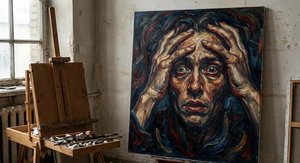
Figurative Expressionism: Emotional Intensity & Subjective Reality in 20th-Century Art
Explore the powerful world of Figurative Expressionism with TopImpressionists. Discover key artists like Kirchner & Beckmann, understand its emotional depth, and learn how to collect this influential 20th-century art movement.

The Sharpest Wit: A Critical Exploration of Satire in Art History – From Hogarth to Contemporary Critique
Explore the history of satire in art! From Hogarth's London to contemporary critique, discover how artists use wit & visual power to reflect and challenge society. Expert insights at TopImpressionists.
テーマ、スタイル、特徴別に分類された作品を探索しましょう。


