

 設置イメージを表示
 シェアする
シェアする シェアする
シェアする
 詳細を見る
詳細を見る ガイドを表示

 ダウンロード
 似ている作品
 X線調査
X線調査 スライドショーを表示
 Q&A
Q&A 統計情報
統計情報Landscape

- 71.0 x 91.0 cm

Explore George Houston’s serene ‘Landscape’ oil painting – a captivating 1904 Scottish scene of rolling hills & a tranquil river valley. Impressionistic style, warm tones, & atmospheric depth.
Explore the impactful art of George Houston, a pioneering American artist known for his evocative depictions of rural life & social commentary. Discover his unique style today!
 詳細を表示
詳細を表示
ジークレー/アートプリント
スピーディーな制作と多彩な仕上げオプションが魅力の、ミュージアムクオリティなジークレー・キャンバスプリント。 ( 手描き複製画を注文する デジタル画像販売へ切り替え)




































標準サイズ
オーダーメイド
CM
INCH
作品のオリジナル比率に合わせた、当店の規定サイズからお選びください。
Loading sizes...

横幅
高さ
額縁や壁のスペースに合わせて、ご希望の幅と高さを入力してください。プリントはカットすることは可能ですが、元の画像より大きくすることはできないため、異なる比率のサイズを選択された場合は、画像の一部が欠けることになります。印刷を開始する前に、内容を確認していただくためのデジタルモックアップをお送りいたします。このページに表示されている画像は、実際のカット後の状態を示すものではありません。実際の仕上がりはモックアップにてご確認ください。


 ガラスオプションは、110cm未満のサイズでのみご利用いただけます。

Landscape
ジークレー/アートプリント
複製画サイズ一覧
-


合計金額
¥ 11098


作家プロフィール
George Houston: A Painter of Highland Light
George Houston (1869 – 1947) wasn’t a name that immediately resonates within the grand halls of art history, yet his canvases hold a quiet power—a profound connection to the landscapes and people of Ayrshire and beyond. Born in Dalry, Scotland, a small village nestled amidst rolling hills and lochs, Houston's life was inextricably linked to the land he so faithfully depicted. His artistic journey wasn’t one of dramatic innovation or revolutionary style; instead, it unfolded with a deliberate focus on capturing the essence of his native region, imbued with a sensitivity that belied his technical skill.
Houston’s early education took place at Saltcoats Public School and Glasgow School of Art. This grounding in both traditional instruction and artistic exploration proved crucial to his development. He initially worked as a lithographic artist in Glasgow, honing his observational skills and developing a keen eye for detail. However, it was his relocation back to Dalry and the establishment of a studio that truly ignited his creative spirit. He spent much of his life painting the familiar landscapes of Ayrshire – the rugged coastline, the expansive moorlands, and the serene lochs—but also ventured into the Inner Hebrides and around Loch Fyne, broadening his palette and deepening his understanding of Scotland’s diverse beauty.
His artistic style can be characterized as a refined brand of landscape painting. Houston wasn't interested in dramatic sunsets or tempestuous storms; rather, he sought to capture the subtle shifts of light and atmosphere that define the Highland environment. He favored a bright palette—dominantly blues, greens, and yellows—and skillfully rendered snow scenes with remarkable clarity and luminosity. His compositions often featured expansive vistas, drawing the eye into the distance and creating a sense of tranquility and solitude. Houston’s work is deeply rooted in observation, reflecting a profound connection to his surroundings.
The Influence of Neil Munro and Literary Connections
Houston's artistic life was intertwined with that of another prominent figure from Ayrshire: writer Neil Munro. The two formed a close friendship during the 1880s, and Munro’s novel, “Ayrshire Idylls,” became a significant influence on Houston’s work. Munro’s evocative descriptions of rural life provided a literary counterpart to Houston's visual explorations, and Houston himself illustrated Munro’s book, solidifying their creative partnership.
Beyond Munro, Houston drew inspiration from the Scottish literary tradition, particularly the Romantic poets who celebrated the beauty and power of nature. The influence of artists like Turner and Constable, masters of capturing atmospheric effects, is also evident in Houston's work. He wasn’t simply copying landscapes; he was translating his personal experience of them into a visual language that resonated with both artistic tradition and emotional depth.
A Royal Recognition: Academy Membership
In 1909, George Houston received the prestigious recognition of becoming an Associate of the Royal Scottish Academy (RSA), followed by full Academician status in 1925. This honor acknowledged his significant contribution to Scottish art and validated his artistic vision. The RSA membership was a testament to the growing appreciation for his work within the established art world, marking a pivotal moment in his career.
His paintings were exhibited widely throughout Scotland, gaining recognition from critics and collectors alike. Notable works such as “An Ayrshire Landscape,” now held by the Glasgow Museums, exemplify his skill and sensitivity. Houston’s ability to capture the essence of his native region—its light, its colors, and its spirit—earned him a devoted following and cemented his place in Scottish art history.
Legacy and Enduring Appeal
George Houston's legacy lies not in revolutionary innovation but in his quiet dedication to portraying the beauty of his homeland. His paintings offer a glimpse into a bygone era, capturing the rhythms of rural life and the enduring connection between people and landscape. His work continues to resonate with viewers today, evoking a sense of nostalgia for a simpler time and reminding us of the profound beauty that can be found in the everyday.
Houston’s paintings are more than just representations of landscapes; they are windows into his soul—a testament to his love of Scotland and his ability to translate that love onto canvas. His art serves as a reminder of the importance of observation, sensitivity, and a deep connection to one's surroundings.

George Houston
1869 - 1947
プロフィール概要
- Artistic Movement Or Style: Landscape painting
- Artists Or Movements Influenced By This Artist: ['Royal Scottish Academy']
- Artists Who Influenced This Artist:
- David Bowie
- Kate Bush
- Date Of Birth: 1869
- Date Of Death: 1947
- Full Name: George Houston
- Nationality: Scottish
- Notable Artworks:
- An Ayrshire Landscape
- Burns' Country etchings
- Place Of Birth: Dalry, Scotland
関連記事

The Beauty of Impermanence: Capturing Decay through Impressionist Eyes
Explore the profound beauty of impermanence through Impressionist and Post-Impressionist eyes. Discover how masters like Monet and Van Gogh captured fleeting light and the poetic essence of nature's transitions in our deep dive into art history and emotional landscapes.

Capturing the Soul: The Most Emotionally Moving Impressionist and Post-Impressionist Masterpieces
Discover the profound emotional depth of Impressionist and Post-Impressionist masterpieces. Explore how legends like Monet, Van Gogh, and Gauguin captured light and soul through evocative landscapes and vibrant brushwork for a timeless connection to art history.
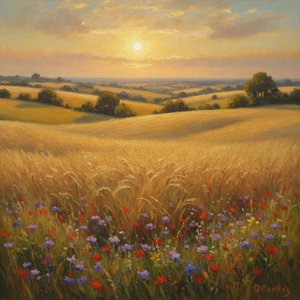
Golden Fields & Sun-Drenched Meadows: Capturing the Soul of Impressionist Landscapes
Immerse yourself in the luminous world of Impressionist landscapes. Discover how masters like Monet and Gauguin captured ephemeral light through plein air painting, and learn to bring the soul of sun-drenched meadows into your home with exquisite, hand-painted oil reproductions.

The Timeless Charm of Oil on Board: Reimagining Texture and Light through the Impressionist Lens
Discover the profound intimacy of oil on panel. Explore how Impressionist masters used rigid supports to capture light, texture, and impasto depth through exquisite, handmade oil reproductions for discerning collectors.

Beyond the Light: Capturing Raw Emotion and Subjective Vision in Post-Impressionist Landscapes
Explore the profound emotional depth of Post-Impressionist landscapes. Discover how masters like Van Gogh moved beyond light to capture raw human feeling through vibrant color and expressive texture in this expert art history retrospective.