


 設置イメージを確認
 送る
送る シェア
シェア
 詳細情報
詳細情報 ガイドを表示

 画像をダウンロード
 似ている作品
 X線調査
X線調査 スライドショー
 統計情報
統計情報The White Horse


George Bellows’ "The White Horse" (1922) captures a poignant rural scene with a walking horse and weathered barn, showcasing the artist's realist style and evoking a sense of quiet contemplation. Discover this iconic American artwork.
 続きを読む
続きを読む
ジョージ・ベローズ(1882-1925)は、都会の生活やボクシングシーンを描いたアメリカ写実主義を代表する画家。アッシュカン派の一員として、力強い筆致とダイナミックな表現でニューヨークの日常を鮮やかに描き出しました。
ジークレー/アートプリント
スピーディーな制作と多彩な仕上げオプションが魅力の、ミュージアムクオリティなジークレー・キャンバスプリント。 ( 手描きの複製画を注文する デジタル画像販売へ切り替え)




P118B ¥10

P118H ¥10

P118W ¥10

P438Z ¥10

P508JH ¥12

P508YH ¥12

P805H ¥10

P805Z ¥10

P919BZ ¥10

P919G ¥10

P919XJ ¥10

P959ZH ¥10

P968JZ ¥12

W106C ¥8

W218G ¥10

W218JH ¥8

W218Y ¥10

W307PJ ¥10

W316G ¥10

W316PJ ¥8

W316Y ¥10

W398PJ ¥8

W4111J ¥10

W500HY ¥15

W500JH ¥15

W692G ¥12

W849H ¥8

W940BG ¥15

W953PJ ¥8




標準サイズ
カスタムサイズ
CM
INCH
作品のオリジナル比率に合わせた、当店の規定サイズからお選びください。
Loading sizes...

横幅
高さ
額縁や壁のスペースに合わせて、ご希望の幅と高さを入力してください。プリントはカットすることは可能ですが、元の画像より大きくすることはできないため、異なる比率のサイズを選択された場合は、画像の一部が欠けることになります。印刷を開始する前に、内容を確認していただくためのデジタルモックアップをお送りいたします。このページに表示されている画像は、実際のカット後の状態を示すものではありません。実際の仕上がりはモックアップにてご確認ください。


 ガラスオプションは、110cm未満のサイズでのみご利用いただけます。

The White Horse
ジークレー/アートプリント
複製画サイズ一覧
-


合計金額
¥ 10864
George Wesley Bellows: A Vision of Grit and Grace
George Wesley Bellows (August 12 or August 19, 1882 – January 8, 1925) stands as a monumental figure in American realist painting, embodying the raw energy and burgeoning modernity of his era. Born in Columbus, Ohio, he emerged from an athletic upbringing—baseball and basketball—into an artist profoundly attuned to movement and physicality, shaping his distinctive style and cementing his place among the most celebrated artists of his generation. His artistic journey began early, filling notebooks with sketches that foreshadowed his keen observational eye and burgeoning talent for capturing the essence of human experience.- Early Influences: Henri’s Ashcan School championed unflinching depictions of urban life, fostering Bellows' fascination with gritty realism and social commentary.
- Technique: Bellows mastered oil on canvas, utilizing bold brushstrokes and layering textures to convey atmosphere and emotion—a hallmark of his oeuvre.
The White Horse: Rural Resilience Amidst Decay
“The White Horse,” painted in 1922, exemplifies Bellows’ masterful blend of realism and impressionism. The scene depicts a horse standing before a weathered barn with a fence nearby—a poignant juxtaposition reflecting the decline of rural America while simultaneously celebrating its enduring spirit. Compositionally, Bellows skillfully captures movement and depth, positioning the horse as if traversing towards the viewer, creating an immersive experience for the observer. The muted palette—dominated by browns, grays, and blues—underscores the painting’s melancholic mood, yet punctuated by flashes of vibrant color in the sky and barn interior.- Composition: Bellows' deliberate framing emphasizes the horse's posture and gaze, conveying a sense of quiet contemplation amidst the surrounding landscape.
- Color Palette: The subdued hues contribute to an atmosphere of solemn beauty, mirroring the hardships faced by rural communities during the period.
Symbolism and Emotional Resonance
Beyond its aesthetic qualities, “The White Horse” carries symbolic weight. The horse itself represents strength, perseverance, and connection to the land—themes central to Bellows’ artistic vision. Its stance suggests resilience in the face of adversity, mirroring the broader anxieties surrounding societal change during the 1920s. Furthermore, the barn symbolizes tradition and stability, contrasting sharply with the encroaching forces of industrialization. The painting evokes a profound sense of nostalgia for simpler times—a yearning for authenticity amidst the complexities of modern life.- Imagery: The horse’s gaze directs the viewer's attention inward, prompting reflection on themes of identity and belonging.
- Atmosphere: Bellows expertly conveys a feeling of solitude and contemplation—a characteristic element of his artistic style.
Legacy and Influence
George Wesley Bellows’ legacy extends far beyond the canvas itself. His unflinching portrayal of American society—particularly its working-class communities—challenged conventional artistic norms and paved the way for subsequent generations of artists to explore social issues with boldness and conviction. Recognized as one of the foremost realist painters of his time, Bellows continues to inspire admiration for his masterful technique and profound emotional depth. Reproductions of “The White Horse,” available on TopImpressionists.com, allow art enthusiasts to experience this iconic masterpiece firsthand—a testament to Bellows’ enduring artistic vision.よくあるご質問
「The White Horse」のLandscape形式は、どのような場所に飾るのがおすすめですか?
ジョージ・ウェズリー・ベローズ作「The White Horse」の展示に関する情報は、フォーマット(Landscape)と推奨される設置場所(Living Room)の2点です。
「The White Horse」の作者と制作年はいつですか?
「The White Horse」は、1922年にジョージ・ウェズリー・ベローズによって制作されました。
学生向けのジョージ・ウェズリー・ベローズ作「The White Horse」に関するファクトシートはありますか?
ジョージ・ウェズリー・ベローズ作「The White Horse」のガイドページでは、印刷して活用できる2枚構成のファクトシートを提供しています。これには、作品とその詳細情報をまとめたデータテーブル、アーティストの生涯における時代背景を示す年代チャート、同アーティストによる他の作品、測定されたカラーパレット、そしてそのままコピーして使用できる4つの形式の引用文献情報が含まれています。
関連作品


アーティストについて
若き日の情熱と芸術への目覚め:ジョージ・ウェズリー・ベローズの誕生
ジョージ・ウェズリー・ベローズは、1882年8月12日または19日にオハイオ州コロンバスで生まれました。彼の人生は、初期のアスリートとしての才能から芸術家としての名声へと続く、情熱と献身の物語です。幼い頃から、彼はスケッチブックに絵を描き続け、観察眼と潜在的な才能を示しました。しかし、ベローズの青春時代は芸術だけに限定されませんでした。彼はオハイオ州立大学で野球とバスケットボールの両方で優れた成績を収めました。このスポーツでの経験は彼の芸術的視点に深く影響を与え、作品にダイナミックな動きと身体性を吹き込みました。大学を卒業間近で、ベローズはニューヨーク市への強い憧れを感じ、芸術の訓練を受けるために出発しました。アッシュカン派との出会いと独自の表現の模索
1904年にニューヨークに到着したベローズは、すぐにロバート・ヘンリーの指導を受けました。ヘンリーは、ジョン・スローン、ウィリアム・グラッケンス、ジョージ・ラックスらを含むアッシュカン派の中心人物でした。このグループの芸術家たちは、アカデミックな慣習から離れ、都市生活の厳しい現実を描くことを選択しました。ベローズは当初、ヘンリーの自由奔放な筆致と社会的なリアリズムへのコミットメントを受け入れました。しかし、彼は単に教師のスタイルを模倣することに満足せず、独自の芸術的声を見つけようと野心を持っていました。1906年にエドワード・キーフと共にスタジオを設立し、実験と成長の活発な時期が始まりました。初期作品は、1908年の展覧会で賛否両論を巻き起こしました。一部の批評家は彼の絵画を粗雑だと批判しましたが、他の人々は大胆さと革新的な精神を認めました。ベローズは、当時の慣習に挑戦し、貧困、労働、そして都市生活の日常を描くことに躊躇しませんでした。闘技場としての人生:ボクシングと都会のスペクタクル
ベローズの作品は多岐にわたりますが、特に力強いボクシングシーンで知られています。彼にとってボクシングは単なるスポーツイベントではなく、人間のドラマの縮図であり、競争を駆り立てる本能的なテーマ、そして社会ダーウィニズムを体現していました。彼は煙たいボクシングクラブに通い詰め、ファイターの動き、視線の強さ、観客の生のエネルギーを注意深く研究しました。*Both Members of This Club* (1909)や *Stag at Sharkey’s* (1909)は、劇的な照明、ダイナミックな構図、そして緊張感あふれる雰囲気を捉える彼の能力を示す傑作です。これらのボクシングシーンは単なるスポーツ描写ではなく、人生の戦いを反映したメタファーでした。ボクシング以外にも、ベローズは都市生活の他のスペクタクルからインスピレーションを得ました。パレード、サーカス、そして混雑した通りはすべて、動き、エネルギー、集団体験を探求する機会を提供しました。進化するスタイルと永続的な遺産
ベローズが成熟するにつれて、彼のスタイルは微妙ながらも重要な変化を遂げました。彼はリアリズムへのコミットメントを維持しながら、初期の自由奔放な筆致から離れ、滑らかな曲線、モニュメンタルな形、そして高められたドラマ感を特徴とするより様式化された美学を採用しました。この変化は、伝説的なボクシングマッチのクライマックスの瞬間を息を呑むほど鮮やかに捉えた *Dempsey and Firpo* (1924)などの後期作品に明らかです。彼はまた、リトグラフィーも実験し、線と調子の彼の習熟度を示す印象的な版画シリーズを作成しました。ベローズは生前にかなりの成功を収めましたが(1913年に国立デザインアカデミーの会員に選出されましたが)、芸術的境界線を押し広げ、従来の規範に挑戦することを常に追求していました。1925年の42歳という若さでの彼の早すぎる死は有望なキャリアを短くしましたが、彼の遺産はアメリカで最も重要なリアリスト画家の一人として残っています。彼は20世紀初頭のアメリカの生活を描いた作品を残し、今日でも観客に共鳴し続けています。彼の影響は、現代都市体験のダイナミズムと複雑さを捉えようとした後世の芸術家に見ることができます。ジョージ・ベローズは単なる絵描きではありませんでした。彼は時代を記録していました。主要作品と評価
- *Both Members of This Club* (1909) – ボクシングクラブの雰囲気を捉えた重要な作品。
- *Stag at Sharkey’s* (1909) – 劇的な照明と構図で知られる、ボクシングマッチを描いたもう一つの象徴的な作品。
- *Men of the Docks* (1912) – 労働者の力強い描写であり、ベローズの身体性とテクスチャを捉える能力を示しています。
- *The Germans Arrive* (1918) – 第一次世界大戦中の残虐行為を描いたリトグラフシリーズで、彼の社会問題への関与を示しています。
- *Dempsey and Firpo* (1924) – ボクシングの歴史的な瞬間を捉えたモニュメンタルなキャンバスであり、ベローズの進化するスタイルと構図の習熟度を示しています。

ジョージ・ウェズリー・ベローズ
1882 - 1925 , アメリカ合衆国
アーティスト情報
- Artistic Movement Or Style: アッシュカン派、リアリズム
- Artists Who Influenced This Artist: ['ロバート・ヘンリー']
- Date Of Birth: 1882年
- Date Of Death: 1925年
- Full Name: ジョージ・ウェズリー・ベローズ
- Nationality: アメリカ人
- Notable Artworks (List Of Titles):
- セントラルパーク
- ドイツ人の到着
- ドックの男たち
- Place Of Birth (City And Country): コロンバス、アメリカ合衆国
関連記事

The Unvarnished Truth: A Cultural Journey Through the Soul of American Realism
Explore the profound beauty of American Realism. From the Ashcan School's urban grit to intimate portraits, discover how artists captured the authentic soul of a nation through unvarnished truth and masterful observation.
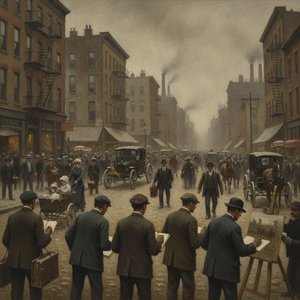
The Ashcan School: Capturing the Raw, Unfiltered Soul of Urban Life through American Realism
Discover the raw beauty of the Ashcan School. Explore how masters like Bellows and Henri captured the gritty, vibrant soul of early 20th-century New York through profound American Realism and evocative urban landscapes.
