

 設置イメージを表示
 シェアする
シェアする シェアする
シェアする
 詳細を見る
詳細を見る ガイドを表示

 ダウンロード
 似ている作品
 X線調査
X線調査 スライドショーを表示
 Q&A
Q&A 統計情報
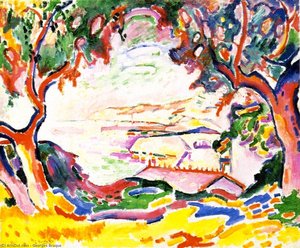
統計情報Landscape at L'Estaque

- 49.0 x 61.0 cm


Georges Braque’s serene Landscape at L’Estaque captures the tranquil beauty of Provence in 1906 Cubist style, depicting a picturesque beach scene with boats and canoes—a masterful exploration of form and color that invites you to bring this iconic artwork home.
 詳細を表示
詳細を表示
キュビスムの創始者の一人、ジョルジュ・ブラック(1882-1963)。「エスタックの家々」や「ギターを抱く男」など、パブロ・ピカソとの共同で革新的な芸術を生み出しました。分析的キュビスムからコラージュまで、モダニズム美術に多大な影響を与えた画家です。
このページに掲載されている作品は著作権法によって保護されており、当社の許可なく同一の複製物を制作または販売することは法律で禁じられています。この保護は、以下のような国際条約に基づき執行されます。 ベルヌ条約 および、以下の条項に定められたものを含む各国の法律により、 米国著作権法 第17編。
この手法は、著作権で保護された作品の複製や複写を伴わないため、著作権法に完全に準拠しています。これは単なる模倣ではなく、創造的な再解釈です。元の作品からインスピレーションを受けつつも、それとは異なる、全く新しい絵画を生み出すものです。
ジークレー/アートプリント
スピーディーな制作と多彩な仕上げオプションが魅力の、ミュージアムクオリティなジークレー・キャンバスプリント。 ( 手描き複製画を注文する デジタル画像販売へ切り替え)




P118B ¥10

P118H ¥10

P118W ¥10

P438Z ¥10

P508JH ¥12

P508YH ¥12

P805H ¥10

P805Z ¥10

P919BZ ¥10

P919G ¥10

P919XJ ¥10

P959ZH ¥10

P968JZ ¥12

W106C ¥8

W218G ¥10

W218JH ¥8

W218Y ¥10

W307PJ ¥10

W316G ¥10

W316PJ ¥8

W316Y ¥10

W398PJ ¥8

W4111J ¥10

W500HY ¥15

W500JH ¥15

W692G ¥12

W849H ¥8

W940BG ¥15

W953PJ ¥8




標準サイズ
オーダーメイド
CM
INCH
作品のオリジナル比率に合わせた、当店の規定サイズからお選びください。
Loading sizes...

横幅
高さ
額縁や壁のスペースに合わせて、ご希望の幅と高さを入力してください。プリントはカットすることは可能ですが、元の画像より大きくすることはできないため、異なる比率のサイズを選択された場合は、画像の一部が欠けることになります。印刷を開始する前に、内容を確認していただくためのデジタルモックアップをお送りいたします。このページに表示されている画像は、実際のカット後の状態を示すものではありません。実際の仕上がりはモックアップにてご確認ください。


 ガラスオプションは、110cm未満のサイズでのみご利用いただけます。

Landscape at L'Estaque
ジークレー/アートプリント
複製画サイズ一覧
-


合計金額
¥ 11078
A Window into the Dawn of Modernity
In the quiet coastal reaches of Provence, where the Mediterranean sun warms the earth, Georges Braque captured a moment that would forever alter the trajectory of Western art. Landscape at L’Estaque, completed in 1906, is far more than a serene depiction of a sun-drenched beach; it is a profound intellectual exploration of perception itself. At first glance, the viewer is greeted by a picturesque vista of boats resting upon the water and the gentle presence of figures along the shore. Yet, beneath this tranquil surface lies the restless energy of a revolution. This work serves as a pivotal snapshot of the very genesis of Cubism, capturing the precise moment when the artist began to dismantle the traditional boundaries of reality to reconstruct them through a more complex, multi-dimensional lens.
The painting invites us into a world where the familiar is subtly transformed. The boats, some drifting near the shoreline and others anchored further out, act as anchors for the eye within a composition that begins to experiment with fragmentation and simultaneity. Braque does not merely aim to mirror the world as seen by the naked eye; he seeks to convey the artist’s deeper understanding of the subject. Through this lens, the landscape becomes an arrangement of geometric planes and facets, hinting at the revolutionary movement that would soon emerge from his collaboration with Pablo Picasso.
The Alchemy of Earth and Light
Technically, Braque demonstrates a masterful command over texture and tone, creating a piece that is as much a tactile experience as it is a visual one. The color palette is intentionally subdued, dominated by a soulful array of earthy tones—ochre, umber, and terracotta. These hues evoke the warmth of the Provençal landscape, grounding the composition in a tangible, Mediterranean reality. However, Braque elevates the medium through the use of impasto, applying paint with enough thickness to render the hulls of the boats and the sandy beach with a palpable sense of materiality.
This interplay between light and heavy texture creates a rhythmic depth that captivates the observer. The subtle variations in the brushwork allow light to dance across the surface, suggesting the shimmering quality of water and the ruggedness of the coast. For the collector or interior designer, this technical mastery offers a sophisticated aesthetic; the painting possesses a quiet strength that can anchor a room, providing a sense of historical weight and artistic prestige without overwhelming its surroundings.
A Legacy of Visionary Thought
To possess or display a reproduction of Landscape at L’Estaque is to hold a piece of art history's most transformative era. The painting stands as a bridge between the fleeting, light-obsessed impressions of the past and the structured, intellectual rigor of the Cubist future. It embodies a period of immense cultural upheaval, where the air was thick with the scent of change and the studios of Paris were ablaze with new ideas. Braque’s ability to blend his heritage—the disciplined hand of a decorator’s son—with an insatiable hunger for the avant-garde results in a work that is both structurally sound and emotionally resonant.
For those seeking inspiration, this artwork offers a meditative retreat into a world of stability and discovery. It evokes a sense of peace through its subject matter, yet challenges the mind with its evolving form. Whether placed in a contemporary gallery setting or a classic study, this masterpiece continues to whisper the secrets of a revolution, reminding us that even the most familiar landscapes can be reimagined into something entirely extraordinary.
Q&A
「Landscape at L'Estaque」は、明暗のコントラストが強い作品ですか?
ジョルジュ・ブラクエ作「Landscape at L'Estaque」のコントラストレベルはStatementです。
Landscape at L'Estaqueの制作年である1906年は、ジョルジュ・ブラクエのキャリアにおけるどの時期にあたりますか?
1906年という制作年代から、「Landscape at L'Estaque」はジョルジュ・ブラクエのCubist Phaseに属します。
「Landscape at L'Estaque」は、Analytical Cubismを代表する有名な作品でしょうか?
Analytical Cubism運動において、「Landscape at L'Estaque」はIconicの知名度を誇ります。



作家プロフィール
Georges Braque (1882-1963): キュビズムのパイオニアとファウヴィスムの巨匠
Georges Braqueはフランスで生まれ、1882年にアルジェンテイルで誕生しました。彼の幼少期は画家や職工の家族の中で育ち、素材に対する技術的な熟練さと形状への初期的な認識を培いました。父親の職業に従うことよりも、彼は芸術的な欲求がすぐに現れ、レハーヴ美術学院で美術教育を受けることで、20世紀における最も影響力のある画家の一人になるための旅立ちを果たしました。これは実践的な職人の技術とアカデミックな学習の融合であり、後に伝統的な芸術形式を破壊し書き換えながら、彼がより後の世代に影響を与えることを可能にする基礎となりました。 パリへ移住した1902年には、美術都市で美術教育を受け続けました。彼はマリー・ローランシンやフランシス・ピカビアなど、彼の初期の開発を形作ったつながりを築いたアーティストたちと出会いました。彼の最初の作品は印象主義とポスト印象主義の影響を受けていましたが、1905年にファウヴィズムの鮮やかな色彩と表現的な自由に遭遇したことで、彼の芸術的探求は新たな方向へ進みました。彼はファウヴィストの原則を採用し、鮮やかなパレットと簡素化された形態を特徴とする絵画でその影響を示しています。例えば、『エスタークの家』です。この時期には、ヘンリー・マティスやアン ドレ・ドランなどとともに働き、鮮やかな色彩と簡素化された形態を試みました。しかし、彼はファウヴィズムの熱狂的なエネルギーをより抑制的で分析的なアプローチで和らげながら、この動きの独自性を反映しました。ファウヴィズムへの傾倒とキュビズムの誕生
彼の芸術的探求は印象主義とポスト印象主義の影響を受けましたが、彼は特に絵画『パチエンス』においてファウヴィストの原則を採用し、鮮やかな色彩と表現的な自由を特徴とする絵画でその影響を示しています。この時期にはヘンリー・マティスやアン ドレ・ドランなどとともに働き、鮮やかな色彩と簡素化された形態を試みました。彼はファウヴィズムの熱狂的なエネルギーをより抑制的で分析的なアプローチで和らげながら、この動きの独自性を反映しました。彼の初期の作品は印象主義とポスト印象主義の影響を受けていましたが、彼は特に絵画『パチエンス』においてファウヴィストの原則を採用し、鮮やかな色彩と表現的な自由を特徴とする絵画でその影響を示しています。この時期にはヘンリー・マティスやアン ドレ・ドランなどとともに働き、鮮やかな色彩と簡素化された形態を試みました。彼はファウヴィズムの熱狂的なエネルギーをより抑制的で分析的なアプローチで和らげながら、この動きの独自性を反映しました。彼はファウヴィストの原則を採用し、鮮やかなパレットと簡素化された形態を特徴とする絵画でその影響を示しています。この時期にはヘンリー・マティスやアン ドレ・ドランなどとともに働き、鮮やかな色彩と簡素化された形態を試みました。彼はファウヴィズムの熱狂的なエネルギーをより抑制的で分析的なアプローチで和らげながら、この動きの独自性を反映しました。彼はファウヴィストの原則を採用し、鮮やかなパレットと簡素化された形態を特徴とする絵画でその影響を示しています。この時期にはヘンリー・マティスやアン ドレ・ドランなどとともに働き、鮮やかな色彩と簡素化された形態を試みました。彼はファウヴィズムの熱狂的なエネルギーをより抑制的で分析的なアプローチで和らげながら、この動きの独自性を反映しました。彼はファウヴィストの原則を採用し、鮮やかなパレットと簡素化された形態を特徴とする絵画でその影響を示しています。この時期にはヘンリー・マティスやアン ドレ・ドランなどとともに働き、鮮やかな色彩と簡素化された形態を試みました。彼はファウヴィズムの熱狂的なエネルギーをより抑制的で分析的なアプローチで和らげながら、この動きの独自性を反映しました。彼はファウヴィストの原則を採用し、鮮やかなパレットと簡素化された形態を特徴とする絵画でその影響を示しています。この時期にはヘンリー・マティスやアン ドレ・ドランなどとともに働き、鮮やかな色彩と簡素化された形態を試みました。彼はファウヴィズムの熱狂的なエネルギーをより抑制的で分析的なアプローチで和らげながら、この動きの独自性を反映しました。彼はファウヴィストの原則を採用し、鮮やかなパレットと簡素化された形態を特徴とする絵画でその影響を示しています。この時期にはヘンリー・マティスやアン ドレ・ドランなどとともに働き、鮮やかな色彩と簡素化された形態を試みました。彼はファウヴィズムの熱狂的なエネルギーをより抑制的で分析的なアプローチで和らげながら、この動きの独自性を反映しました。彼はファウヴィストの原則を採用し、鮮やかなパレットと簡素化された形態を特徴とする絵画でその影響を示しています。彼はファウヴィストの原則を採用し、鮮やかなパレットと簡素化された形態を特徴とする絵画でその影響を示しています。彼はファウヴィストの原則を採用し、鮮やかなパレットと簡素化された形態を特徴とする絵画でその影響を示しています。彼はファウヴィストの原則を採用し、鮮やかなパレットと簡素化された形態を特徴とする絵画でその影響を示しています。彼はファウヴィストの原則を採用し、鮮やかなパレットと簡素化された形態を特徴とする絵画でその影響を示しています。彼はファウヴィストの原則を採用し、鮮やかなパレットと簡素化された形態を特徴とする絵画でその影響を示しています。彼はファウヴィストの原則を採用し、鮮やかなパレットと簡素化された形態を特徴とする絵画でその影響を示しています。彼はファウヴィストの原則を採用し、鮮やかなパレットと簡素化された形態を特徴とする絵画でその影響を示しています。彼はファウヴィストの原則を採用し、鮮やかなパレットと簡素化された形態を特徴とする絵画でその影響を示しています。彼はファウヴィストの原則を採用し、鮮やかなパレットと簡素化された形態を特徴とする絵画でその影響を示しています。彼はファウヴィストの原則を採用し、鮮やかなパレットと簡素化された形態を特徴とする絵画でその影響を示しています。彼はファウヴィストの原則を採用し、鮮やかなパレットと簡素化された形態を特徴とする絵画でその影響を示しています。彼はファウヴィストの原則を採用し、鮮やかなパレットと簡素化された形態を特徴とする絵画でその影響を示しています。彼はファウヴィストの原則を採用し、鮮やかなパレットと簡素化された形態を特徴とする絵画でその影響を示しています。彼はファウヴィストの原則を採用し、鮮やかなパレットと簡素化された形態を特徴とする絵画でその影響を示しています。彼はファウヴィストの原則を採用し、鮮やかなパレットと簡素化された形態を特徴とする絵画でその影響を示しています。彼はファウヴィストの原則を採用し、鮮やかなパレットと簡素化された形態を特徴とする絵画でその影響を示しています。彼はファウヴィストの原則を採用し、鮮やかなパレットと簡素化された形態を特徴とする絵画でその影響を示しています。彼はファウヴィストの原則を採用し、鮮やかなパレットと簡素化された形態を特徴とする絵画でその影響を示しています。彼はファウヴィストの原則を採用し、鮮やかなパレットと簡素化された形態を特徴とする絵画でその影響を示しています。彼はファウヴィストの原則を採用し、鮮やかなパレットと簡素化された形態を特徴とする絵画でその影響を示しています。彼はファウヴィストの原則を採用し、鮮やかなパレットと簡素化された形態を特徴とする絵画でその影響を示しています。彼はファウヴィストの原則を採用し、鮮やかなパレットと簡素化された形態を特徴とする絵画でその影響を示しています。彼はファウヴィストの原則を採用し、鮮やかなパレットと簡素化された形態を特徴とする絵画でその影響を示しています。彼はファウヴィストの原則を採用し、鮮やかなパレットと簡素化された形態を特徴とする絵画でその影響を示しています。彼はファウヴィストの原則を採用し、鮮やかなパレットと簡素化された形態を特徴とする絵画でその影響を示しています。彼はファウヴィストの原則を採用し、鮮やかなパレットと簡素化された形態を特徴とする絵画でその影響を示しています。彼はファウヴィストの原則を採用し、鮮やかなパレットと簡素化された形態を特徴とする絵画でその影響を示
ジョルジュ・ブラクエ
1882 - 1963 , フランス
プロフィール概要
- Artistic Movement Or Style: キュビズム、ファウヴィスム
- Artists Or Movements Influenced By This Artist: ['パブロ・ピカソ']
- Artists Who Influenced This Artist:
- ピエール・マティス
- アンリ・ドラン
- パウル・セザンヌ
- Date Of Birth: 1882年5月13日
- Date Of Death: 1963年
- Full Name: Georges Braque
- Nationality: フランス人
- Notable Artworks:
- エルスタックの家
- 忍耐
- Place Of Birth: フランス アルジェンテュイユ
関連記事

The Magic of Tonalism: Capturing Mood, Mist, and Atmospheric Emotion in Landscape Art
Discover the ethereal beauty of Tonalism. Explore how master artists use mist, soft light, and muted palettes to capture profound emotion and atmospheric mood in landscape painting. A deep dive into this quiet, introspective art movement for true connoisseurs.

Fragmented Beauty: Exploring the Soul and Geometric Depth of Cubist Landscapes
Embark on a cultural journey through the soul of Cubist landscapes. Discover how masters like Braque and Rivera redefined nature through geometric beauty, fragmented forms, and profound abstraction in this expert art-history exploration.
テーマ、スタイル、特徴別に分類された作品を探索しましょう。


