































作品のオリジナル比率に合わせた、当店の規定サイズからお選びください。

特定のフレームやスペースに合わせて、ご自身でサイズを指定することも可能です。選択されたサイズが元の画像の比率と一致しない場合、作品をトリミングするか、鏡面反射または単色での塗りつぶしによって画像を拡張いたします。制作を開始する前に、ご確認用のデジタルモックアップをお送りいたします。
画面上のプレビューには、実際のトリミングや拡張は反映されませんのでご注意ください。最終的な構図を正確に確認できるのは、モックアップのみとなります。
カスタムサイズも承っておりますが、元の比率を維持するためには、あらかじめ用意されたリストからサイズを選択することをお勧めいたします。

The duck
複製画のサイズ
This captivating painting, simply titled “The Duck,” offers a profound glimpse into the revolutionary artistic vision of Georges Braque, one of the pioneers of Cubism. Executed with meticulous attention to detail, the artwork presents a seemingly straightforward depiction of a duck in flight – yet beneath this surface lies a complex exploration of form, space, and perception that defines the core tenets of Braque’s groundbreaking style. The stark contrast between the black and white plumage of the bird against the expansive blue sky immediately draws the viewer's eye, establishing a dynamic tension that speaks to the artist’s desire to dismantle traditional representational techniques.
Created during Braque’s pivotal period within the development of Cubism – roughly between 1907 and 1914 – “The Duck” embodies the movement's core principles. Emerging from a shared interest among Braque, Pablo Picasso, and other artists, Cubism sought to represent subjects from multiple viewpoints simultaneously, challenging the conventional notion of a single, fixed perspective. Braque’s training as a house painter and decorator, evident in his precise rendering and understanding of structure, provided a crucial foundation for this radical approach. He wasn't simply painting what he *saw*; he was actively reconstructing it according to his intellectual understanding of form.
The influence of Paul Cézanne is readily apparent – Braque, like Picasso, was deeply affected by Cézanne’s exploration of geometric forms within landscapes. However, unlike Cézanne's attempts to synthesize multiple viewpoints into a unified whole, Braque and Picasso fractured these views, presenting them as independent planes that intersect and overlap.
The painting is executed with a confident, almost brutalist, application of paint. Braque’s technique relies on thick impasto in certain areas, particularly around the edges of the duck's wings, creating a tactile quality that adds to the sense of dynamism. The use of black and white pigment allows for a dramatic interplay of light and shadow, further emphasizing the geometric forms. It is clear from the brushwork that Braque was not simply applying paint; he was actively shaping it to convey his artistic ideas.
The choice of black and white also speaks to the movement’s interest in exploring fundamental visual elements – line, shape, and plane – rather than being distracted by color. This reductionist approach allowed Braque to focus on the underlying structure of the subject matter, revealing its essential qualities with remarkable clarity.
"The Duck," despite its seemingly simple subject, resonates with deeper symbolic meanings. The duck itself can be interpreted as a symbol of transformation, renewal, or even vulnerability – themes frequently explored in modern art. More broadly, the painting’s fragmented form reflects the anxieties and uncertainties of the early 20th century, a period marked by rapid technological advancements, social upheaval, and a questioning of traditional values. The artwork evokes a sense of quiet contemplation, inviting viewers to engage with its complex visual language and contemplate the nature of perception itself.

1882 - 1963 , フランス
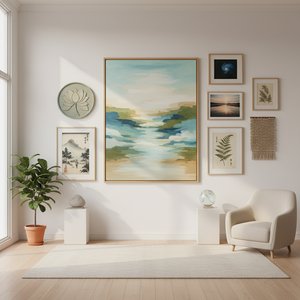
Find serenity with our Top 10 tranquil artworks! Explore masterpieces by Monet, Van Gogh & more. Discover the stories behind calming Impressionist landscapes and peaceful Japanese art. Museum-quality reproductions at .

キュビスムを代表する10大名作の世界へ。ピカソ、ブラックら巨匠の革新的な技と色彩が織りなす、時代を超越した芸術体験を。TopImpressionists.comで、至高のアートプリントとインテリアアイデアを発見しましょう。

Explore 10 Cubist masterpieces by Picasso, Braque & more! Discover the stories behind these revolutionary paintings and their impact on modern art. Find museum-quality reproductions for your home at TopImpressionists.com – where art comes to life.

Explore the art of transforming spaces with our comprehensive guide to wall decor. From historical movements to contemporary trends, discover how to curate impactful interiors and commission bespoke artwork for a truly personalized aesthetic.

Explore 10 defining Cubist Expressionism masterpieces by Picasso, Braque & more. Discover the stories behind these bold, geometric paintings and bring museum-quality art to your home with TopImpressionists.com. Explore the full collection online.


最新の美術ニュース、限定オファー、そしてインテリアのアイデアをいち早くお届けします。
お客様のプロジェクトについてお聞かせください。当社の美術専門家が、お客様に合わせた3つのパーソナライズされた芸術提案をご提供いたします。
あなたにぴったりの3作品を無料で厳選いたします
 Preview
 手描き複製画を注文する
 シェアする
シェアする シェアする
シェアする
 詳細を見る
詳細を見る

 ダウンロード
 似ている作品
 X線調査
X線調査 スライドショー

 詳細を見る
詳細を見る









 ガラスオプションは、110cm未満のサイズでのみご利用いただけます。


