

Shown: · With its frame:
 設置イメージを確認
 送る
送る シェア
シェア
 詳細情報
詳細情報 ガイドを表示

 画像をダウンロード
 似ている作品
 X線調査
X線調査 スライドショー
 Q&A
Q&A 統計情報
統計情報
- 15.0 x 25.0 cm


¥ 42454
手描き油彩複製画
当社のアーティストが、お客様のご希望のサイズと額縁に合わせて、キャンバスに手描きで制作する油彩画です。 ( プリント版に切り替え デジタル画像販売へ切り替え)
Size
·標準サイズ
カスタムサイズ
CM
INCH
作品のオリジナル比率に合わせた、当店の規定サイズからお選びください。
Loading sizes...

横幅
高さ
フレームや壁のスペースに合わせて、ご希望の幅と高さを入力してください。本作品は手描きのため、異なる比率のサイズをご希望の場合、絵画の周囲を少し広げて描くか、あるいは端を少しカットして調整することが可能です。お客様のご要望に合わせます。制作を開始する前に、仕上がりを確認するためのデジタルモックアップをお送りいたします。このページに表示されている画像は完成品の実物ではなく、あくまでモックアップによるイメージです。
 詳細を見る
詳細を見るFinish
·
White ¥1

Blurside ¥1

Extended ¥1

P118B ¥10

P118H ¥10

P118W ¥10

P438Z ¥10

P508JH ¥12

P508YH ¥12

P805H ¥10

P805Z ¥10

P919BZ ¥10

P919G ¥10

P919XJ ¥10

P959ZH ¥10

P968JZ ¥12

W106C ¥8

W218G ¥10

W218JH ¥8

W218Y ¥10

W307PJ ¥10

W316G ¥10

W316PJ ¥8

W316Y ¥10

W398PJ ¥8

W4111J ¥10

W500HY ¥15

W500JH ¥15

W692G ¥12

W849H ¥8

W940BG ¥15

W953PJ ¥8

H24-GOLD ¥30

H24-SILVER ¥30

H36-GOLD ¥45

H36-SILVER ¥45
Shipped in a protective tube, ready for your own framer.
Above 105 cm the frame is shipped as a kit for a professional framer — read the details.
Extras
optionalWhat do the extras include?
Examples of what can be changed: Replace face with customer photo; Add pet (e.g., replace cat with dog); Include hidden message in background; Change background landscape or elements.
After order, TopImpressionists.com team will email client for instructions and provide a mockup preview
After order, TopImpressionists.com team will email client for instructions and provide a mockup preview
世界中への配送()は、通常の5週間ではなく、3〜4週間でお届けいたします。(1 11月)。品質には一切妥協いたしません。
保護用ワニス
銘板
刻印入りブロンズプレートの詳細
This elegant plaque features the artist's name and the title of the artwork, finely engraved for a timeless presentation.
It is made from bronze with a refined, elegant finish. The text is precisely laser-engraved for a sharp and permanent result. Measuring 9x2 cm, the plaque is compact yet easy to read. It's built to be durable and scratch-resistant, offering a professional, museum-quality look. Mounting is simple thanks to the included adhesive backing.
透明アクリル銘板の詳細
The plaque includes essential engraved details such as the artist's name, the title of the artwork, the date it was created, the type of media used-like oil on canvas or watercolor-a brief description of the piece, and a QR code that links to the complete artwork information.
It is crafted from clear acrylic, offering a sleek, modern appearance. The text is UV-engraved in black to ensure strong visual contrast. With a size of 10x15 cm, it ensures optimal readability. It comes equipped with two metal hooks for secure wall mounting. The plaque is designed to be weather-resistant, making it suitable for various environments, and it includes interactive features that work seamlessly with smartphone scanning.
黒アクリル製銘板の詳細
This elegant plaque includes engraved information such as the artist's name, the title of the artwork, the date it was created, the type of media used (like oil on canvas or watercolor), a short description of the artwork, and a QR code for quick access to more information.
The plaque itself is made from refined black acrylic with a premium finish. The text is laser-engraved in white for high contrast and readability. Its size is 10x15 cm, designed to be easy to read. It comes with two metal hooks for professional mounting. The design is sleek and fits any interior style. It is also weather-resistant and durable, with built-in digital integration for mobile compatibility.
ガラスオプションは、110cm未満のサイズでのみご利用いただけます。
 ガラスオプションは、110cm未満のサイズでのみご利用いただけます。
- 世界中へ無料エクスプレス配送
- 高品質なリネンキャンバス
- 配送時完全保険付
- 関税・輸入税の払い戻し保証
- 忠実な色彩再現の保証
- 100日間返品保証(製造上の欠陥がある場合のみ)
- 100% 全額返金保証
- まとめ買い割引のご案内


コレクション詳細
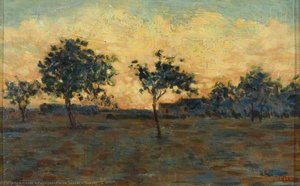
Explore Georges Seurat's mesmerizing 'Sunset,' a pivotal Pointillist masterpiece capturing the serene beauty of rural France with cows grazing peacefully under a vibrant sky.
アーティストプロフィール
美しい光の表現を追求した印象派からモダニズムへと移行した画家、セウラートです。「グランドジャットにて」などの傑作は、色彩理論と視覚科学に基づいた独自の技法「ドット印象主義」で描かれました。彼の作品は現代美術に大きな影響を与え、今なお多くの人々を魅了しています。
About the painting
Georges Seurat: A Pioneer of Luminosity – Exploring “Sunset”
Georges Pierre Seurat (1859–1891) stands as an undeniable titan amongst Impressionists, yet his legacy transcends the movement’s ephemeral beauty. He wasn't merely capturing a fleeting moment; he was fundamentally reshaping how artists approached color and light—a transformation that cemented his place as one of the progenitors of modern art. His unwavering dedication to scientific principles, specifically optical theory championed by Eugène Chevreuil, fueled his revolutionary technique: Pointillism.
“Sunset,” painted circa 1881 in Fontainebleau Forest, exemplifies this groundbreaking approach. Unlike Impressionists who blended pigments on canvas to achieve tonal harmony, Seurat meticulously applied tiny dots of pure color—often juxtaposed strategically—creating an illusion of luminescence that surpasses mere visual representation. This method wasn’t simply a stylistic preference; it was rooted in the belief that human perception operates through retinal illumination – that our eyes see colors as individual wavelengths of light rather than blended hues.
- Subject Matter: The painting depicts a tranquil forest scene dominated by towering trees silhouetted against a vibrant sunset sky. Scattered cows graze peacefully on the grassy meadow, adding to the idyllic atmosphere.
- Style & Technique: Pointillism is undeniably Seurat’s signature style. Each dot of pigment—typically mixed with turpentine and linseed oil—is placed independently on the canvas, allowing for maximum color saturation and visual vibrancy when viewed from a distance. The artist employed a hexagonal grid to ensure consistent spacing and tonal accuracy.
- Historical Context: “Sunset” emerged during a period of intense artistic experimentation following Impressionism’s initial surge. Artists were actively questioning traditional conventions and seeking new ways to express emotion and perception. Seurat's work signaled a decisive break from Impressionistic subjectivity, prioritizing scientific observation as the basis for artistic creation.
- Symbolism & Emotional Impact: The sunset itself carries profound symbolic weight—representing endings, transitions, and the passage of time. Yet, Seurat’s meticulous rendering imbues it with an almost meditative stillness, inviting contemplation and fostering a sense of serene beauty. It speaks to the artist's fascination with capturing not just what is seen but how it feels to perceive the world.
Reproductions of “Sunset” offer collectors and interior designers alike the opportunity to experience Seurat’s visionary technique firsthand. High-quality prints capture the subtle nuances of color and texture, faithfully recreating the luminous quality that distinguishes this masterpiece from its Impressionist predecessors. Consider framing it in a neutral tone to allow the painting's ethereal glow to shine through—a testament to Seurat’s enduring influence on art history.
Further Exploration: Understanding Pointillism
To truly appreciate “Sunset,” delve deeper into the principles of Pointillism. Researchers like Eugène Chevreuil had begun exploring optical illusions and how color perception works, influencing artists like Seurat. Examining reproductions alongside scientific diagrams illustrating retinal illumination can illuminate the intellectual underpinning of this revolutionary technique.
Quick facts and art quiz
About ジョルジュ・ピエール・スーラ

ジョルジュ・ピエール・スーラ
1859 - 1891, フランス
アーティストについて
ジョルジュ・セーラ:光と科学の詩人
1859年、パリで生まれたジョルジュ・ピエール・セーラは、印象派から近代美術へと移行する過程において、極めて重要な役割を果たした画家です。彼の短いながらも情熱的なキャリアは、点描という技法を確立し、絵画の世界に革命をもたらしました。セーラの物語は、綿密な観察眼、知的な探求心、そして光と色彩に対する深い感受性によって彩られています。これらの資質が彼を同時代の画家たちから際立たせ、今日に至るまで観る人々を魅了し続けています。幼少期は一見すると平凡でしたが、その後の芸術的探求の基盤となりました。セーラ家は誕生直後、ブールヴァール・ド・マジェンタに移り住み、父親であるアントワーヌ・クリュストーム・セーラが不動産投機で財を築いたおかげで、若きジョルジュは美術教育を受ける機会を得ました。彼はまず彫刻家ジャスティン・レキュアンのもとで彫刻を学び、その後、名門 École des Beaux-Arts に入学し、アンリ・レマンの下で学業を積みました。これらの初期の経験は、彼に伝統的な技法における確固たる基盤を与えましたが、同時に独自の芸術的個性を育み、繊細な感受性と体系的な分析への情熱という融合を生み出しました。アカデミズムからクロモルミネイシズムへ:科学と色彩の探求
セーラの芸術的発展は、突飛な革新によるものではなく、知的好奇心と厳密な実験によって培われた漸進的な進化でした。当初、彼の作品は当時のアカデミックな基準を反映し、描写力と確立された構図原則に対する敬意を示していました。しかし、彼はすぐにこれらの慣習に疑問を抱き始め、より科学的なアプローチで絵画に取り組むようになりました。ミシェル・エギュヌ・シュルヴォーやオーデン・ロードといった科学者の色彩理論に関する著作に没頭し、色彩の光学効果を探求しました。この研究が彼の革命的な技法であるクロモルミネイシズム—色彩の科学—と、その実用的な応用である点描の礎となりました。その核心となるアイデアは、純粋な色の小さな、明確な点をキャンバスに適用することで、鑑賞者の目が見ることによってそれらを光学的に混合し、鮮やかで輝く効果を生み出すという、一見すると単純なものでした。これは単に明るい色を達成することではなく、人間の視覚システムが光と色彩をどのように認識するかを理解し、その知識を活用して、よりダイナミックで魅力的な絵画体験を作り出すことでした。彼はコントー・クロヨンを用いて粗い表面の紙に詳細な下絵を描き、各点の配置を注意深く計画することで、芸術的プロセスにおいてほぼ数学的な精度を示しました。革新のランドマーク:主要作品と芸術的ビジョン
セーラの研究と実験の集大成は、おそらく『グランド・ジャット島での日曜日』(1884-1886)に最もよく表されています。この記念碑的な作品は、点描主義という新しい芸術運動の幕開けを告げました。セーヌ川沿いののんびりとした午後を楽しむパリの人々を描いたこの象徴的な絵画は、彼の点描技法を最大限に活用しています。注意深く配置された色彩の点で表現された人物たちは、光で輝き、静かな雰囲気を作り出しています。『サン=オゥアンの浴女』(1884)は、彼の色彩理論を田園風景に応用した作品であり、初期の作品である『サン=オゥアンの風景』(1882-1883)は、彼の進化するスタイルと光の効果を捉えることへの関心を明らかにしています。さらには、『エッフェル塔』(1889)のような現代パリの生活を描いた作品さえも、彼の独特な技法を通して変容し、工業的な近代性と芸術的革新性の調和のとれた融合を示しています。『アシニエールの浴女』は、またしても重要な作品であり、彼の特徴的なスタイルで余暇と現代生活というテーマを探求し、『グランド・ジャット島での日曜日』に見られるより洗練されたアプローチを予感させます。これらの絵画は単なる風景の描写ではなく、色彩と知覚の可能性を探求するために慎重に構築された視覚的実験でした。永続的な遺産:影響と歴史的意義
わずか31歳という短い生涯にもかかわらず(1891年に亡くなった)、セーラの美術界への影響は深く、広範囲に及んでいます。彼の作品は伝統的な芸術的慣習に挑戦し、数多くの後続の運動への道を開きました。主観的な表現と新しい技法の探求への重点は、学術的な制約から解放されることを目指したアーティストたちに共鳴しました。セーラの影響は、大胆な色彩と表現力豊かな筆致を採用したフォーヴィスム、形態を幾何学的形状に分解したキュビスム、感情的な強さと自発的なジェスチャーを優先した抽象表現主義といった多様なアーティストたちの作品に見られます。当初は物議を醸していた彼の科学的なアプローチは、最終的には芸術的可能性の定義を広げました。彼は芸術が知的にも厳格でありながら感情的にも喚起力を持つことができることを示し、今日までアーティストたちにインスピレーションを与え続けています。セーラの遺産は、彼の技術革新を超えて広がっており、観察力、実験精神、そして芸術的表現を通して周囲の世界を理解するという人間の永続的な願望の証として、現代生活の本質を比類のない精度と美しさで捉えた作品群を残しました。Quick facts about ジョルジュ・ピエール・スーラ
- フルネーム: ジョルジュ・ピエール・スーラ
- 主な作品:
- グラン・ジャット島の日曜日
- バスニエールでの水浴び
- アルファルファ、サン=ドニ
- 出生地: パリ、フランス
- 国籍: フランス人
- 影響を与えたアーティストまたは運動:
- フォーヴィスム
- キュビスム
- 抽象表現主義
- 影響を受けたアーティスト:
- ミシェル・シュヴォレル
- オーデン・ロード
- 没年月日: 1891年3月29日
- 生年月日: 1859年12月2日
- 芸術運動またはスタイル: 新印象派、点描主義
関連作品


ジョルジュ・ピエール・スーラ
Sunset
() ·
With its frame: · Hand-painted in oil on linen
Total