

 設置イメージを表示

 シェアする
 シェアする
 詳細を見る
 ガイドを表示


 ダウンロード
 似ている作品
 X線調査
 スライドショーを表示
 Q&A
 統計情報
Elevators

 詳細を表示
このページに掲載されている作品は著作権法によって保護されており、当社の許可なく同一の複製物を制作または販売することは法律で禁じられています。この保護は、以下のような国際条約に基づき執行されます。 ベルヌ条約 および、以下の条項に定められたものを含む各国の法律により、 米国著作権法 第17編。
この手法は、著作権で保護された作品の複製や複写を伴わないため、著作権法に完全に準拠しています。これは単なる模倣ではなく、創造的な再解釈です。元の作品からインスピレーションを受けつつも、それとは異なる、全く新しい絵画を生み出すものです。
ジークレー/アートプリント
スピーディーな制作と多彩な仕上げオプションが魅力の、ミュージアムクオリティなジークレー・キャンバスプリント。 ( 手描き複製画を注文する デジタル画像販売へ切り替え)




































標準サイズ
オーダーメイド
CM
INCH
作品のオリジナル比率に合わせた、当店の規定サイズからお選びください。
Loading sizes...

横幅
高さ
額縁や壁のスペースに合わせて、ご希望の幅と高さを入力してください。プリントはカットすることは可能ですが、元の画像より大きくすることはできないため、異なる比率のサイズを選択された場合は、画像の一部が欠けることになります。印刷を開始する前に、内容を確認していただくためのデジタルモックアップをお送りいたします。このページに表示されている画像は、実際のカット後の状態を示すものではありません。実際の仕上がりはモックアップにてご確認ください。


 ガラスオプションは、110cm未満のサイズでのみご利用いただけます。

Elevators
ジークレー/アートプリント
複製画サイズ一覧
-


合計金額
¥ 10985
Gerd Utescher grew up in Germany during the Weimar era and studied drawing, graphics, and sculpture at Berlin’s Academy of Fine Arts. Upon his graduation in 1937, he designed and created interior architectural decorative elements and worked as an illustrator and stage designer. After moving to the United States in 1950, Utescher taught at the Philadelphia Museum of Art, the Pennsylvania Academy of the Fine Arts, the Settlement Music School, and the Allen’s Lane Art Center.During the 1960s Utescher received a number of commissions for public sculptural works in Philadelphia; by 1970 he began work on his People in Cities series, which included a group of evocative sculptures cast in bronze that focused on figures in claustrophobic architectural environments. Elevators is one of a number of elevator sculptures in the People in Cities series that Utescher executed while living in Italy with his new wife.
Q&A
「Elevators」の色味は、どの程度鮮やかですか?
「Elevators」の彩度はMuted、色の強度はMonochromaticです。
Gerd Utescher作「Elevators」 に近い雰囲気の作品を探すには?
Gerd Utescher作「Elevators」に似た作品は、こちらの関連作品ページでご覧いただけます。
「Elevators」の著作権の状態は、なぜこのようなものになっているのでしょうか?
Gerd Utescher作「Elevators」は著作権の保護対象ですです。著作権の保護期間は、1983年に亡くなった作家の没年から起算されます。
作家プロフィール
Gerd Utescher: Sculptor of the Weimar and Beyond
Born in Schwerin, Germany, in 1912, Gerd Utescher’s life was a testament to resilience and artistic evolution shaped by the tumultuous backdrop of the early 20th century. His childhood in Berlin during the Weimar Republic instilled within him a deep appreciation for both the dynamism and the anxieties of a nation grappling with profound social and political change. Initially drawn to law, Utescher’s path shifted dramatically when he discovered his true calling: the visual arts. He enrolled at the prestigious Berlin Academy of Fine Arts, where he honed his skills in drawing, graphics, and sculpture – disciplines that would ultimately define his unique artistic voice.
Utescher's early work was characterized by a fascination with the human figure, particularly its capacity for both strength and vulnerability. He quickly established himself as a sculptor of striking originality, moving beyond traditional representations to explore abstract forms imbued with emotional resonance. His figures weren’t merely static depictions; they were dynamic expressions of inner turmoil, reflecting the psychological landscape of his era. This exploration of the human condition became a central theme throughout his career.
The Influence of Weimar and Early Career
The artistic climate of the Weimar Republic profoundly influenced Utescher's development. The period’s experimental spirit, its embrace of abstraction, and its critical engagement with societal norms provided fertile ground for his creative explorations. He absorbed the ideas of Expressionism and early Abstraction, but ultimately forged a distinct style that combined powerful sculptural forms with evocative figuration. His work during this time often carried a sense of unease and introspection, mirroring the social unrest and uncertainty prevalent in Germany at the time.
Following World War II, Utescher’s career took an international turn. He married Ellen Rhret, whom he had met in Paris before the war, and in 1959, he settled permanently in Philadelphia, Pennsylvania. This move marked a significant shift, not only geographically but also stylistically. While retaining his core themes of human emotion and psychological depth, Utescher’s work began to incorporate elements of American Modernism, reflecting the influences of the vibrant art scene in Philadelphia.
Sculptural Innovation and Public Commissions
Utescher's sculptural practice was distinguished by a masterful command of materials – primarily bronze. He possessed an exceptional ability to capture movement and emotion within his static forms, utilizing subtle shifts in texture and surface detail to create a sense of dynamism. His figures often appear caught in moments of intense feeling, conveying a powerful narrative without resorting to overt symbolism.
Throughout his career, Utescher received numerous public commissions, demonstrating the recognition of his work’s enduring quality and its ability to resonate with audiences. Perhaps his most notable achievement was the creation of the Freedom Fountain near City Hall in Philadelphia – a monumental sculpture that stands as a testament to his skill and artistic vision. Other significant works include various memorials and public art installations across Pennsylvania, solidifying his place as a prominent figure in American sculpture.
A Legacy of Emotional Sculpture
Gerd Utescher’s career spanned seven decades, during which he consistently pushed the boundaries of sculptural expression. His work is characterized by its raw emotional intensity, its exploration of the human psyche, and its masterful technical execution. While rooted in the artistic traditions of his homeland, Utescher ultimately developed a uniquely personal style that continues to captivate viewers today.
His untimely death in 1983, during an accident at a tile factory in Italy while overseeing the casting of a bronze sculpture, marked the loss of a significant voice in contemporary art. However, his legacy endures through his powerful and enduring sculptures, which offer profound insights into the complexities of human experience.
Further Exploration
For more information about Gerd Utescher’s life and work, please consult these resources:

Gerd Utescher
1912 - 1983 , Germany
プロフィール概要
- Full Name: Gerd Utescher
- Nationality: German
- Date Of Birth: 1912
- Date Of Death: 1983
- Place Of Birth: Schwerin, Germany
- Notable Artworks: ['Freedom Fountain']
- Artistic Movement Or Style: Abstract figure painting, Sculpture
関連記事

Elevate the Journey: Using Bold Art to Transform Hotel Corridors and Elevators
Transform hotel transit spaces into immersive brand journeys. Discover how bold, high-impact art and neuroaesthetics redefine luxury corridors and elevators to drive guest loyalty and unforgettable hospitality experiences.
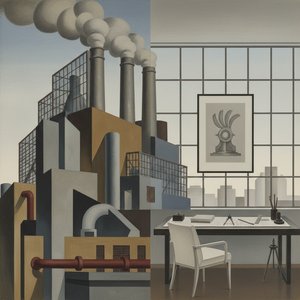
Charles Sheeler Jr.: Precisionism, Industrial Aesthetics & the American Modernist Vision
Explore the groundbreaking work of Charles Sheeler Jr., a pivotal figure in American Precisionism. Discover his iconic industrial landscapes, photographic studies & lasting influence on modernist art. Expert insights for collectors.