
作品のオリジナル比率に合わせた、当店の規定サイズからお選びください。

特定のフレームやスペースに合わせて、ご希望のサイズをご入力いただけます。選択されたサイズが元の画像の比率と異なる場合、アートワークをトリミングするか、手描きで要素を追加して絵画を拡張いたします。デジタルモックアップ を制作し、制作開始前にご確認(承認)をいただきます。
画面上のプレビューは、実際のトリミングや拡張を正確に反映しているものではありません。最終的な構図は、モックアップによってのみ正確にご確認いただけます。
カスタムサイズもご利用いただけますが、元の比率を維持するためには、あらかじめ用意されたリストからサイズを選択することをお勧めいたします。

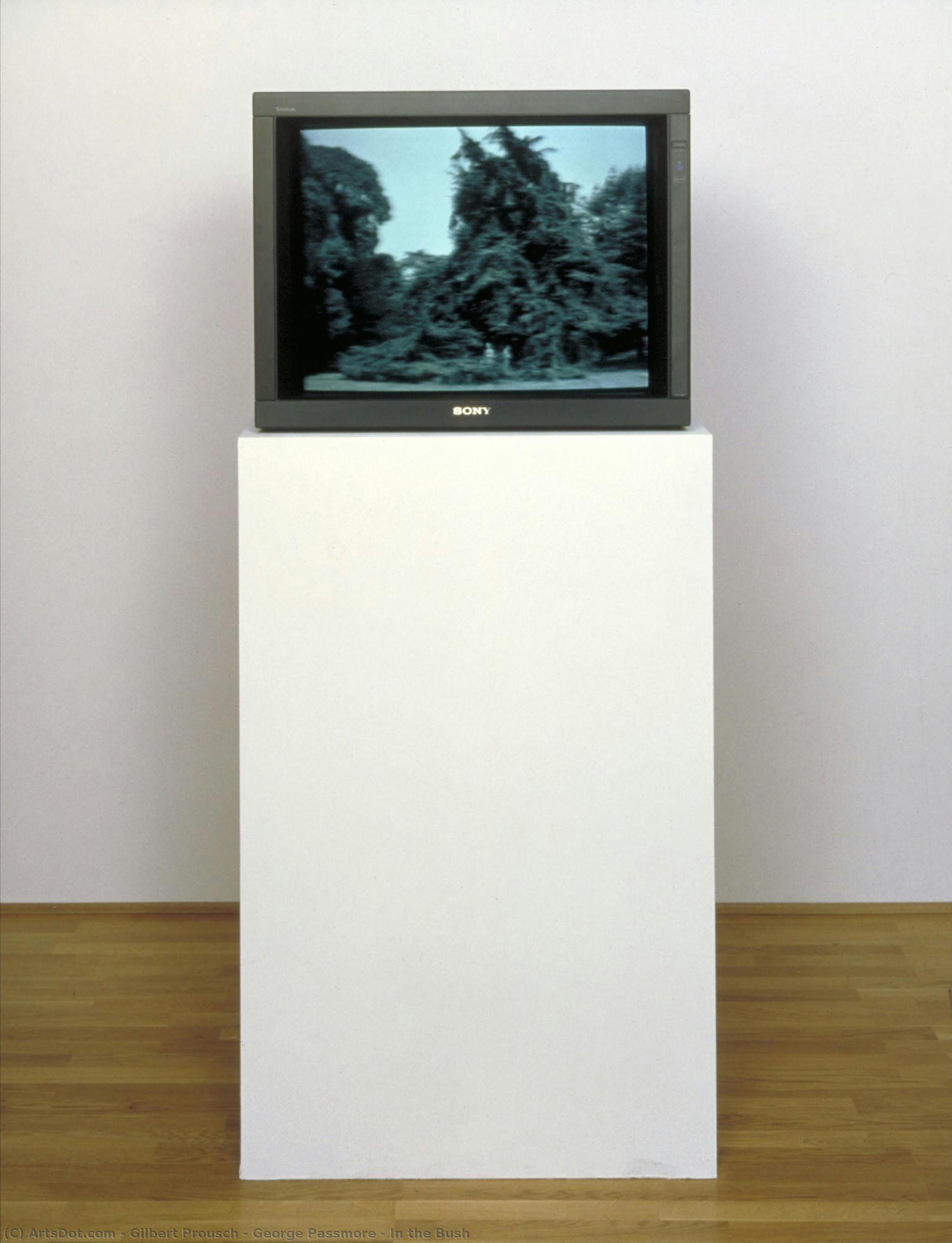
In the Bush
複製画のサイズ
Gilbert & George's 'In the Bush,' created in 1972, isn’t merely a video; it’s an immersive encounter with a specific moment of observation and a profound meditation on the relationship between humanity and the natural world. This seminal work from the duo’s early career—a time when they were rapidly redefining the boundaries of art – captures a seemingly simple scene in Kew Gardens, London: two figures, Gilbert and George themselves, standing beneath a venerable tree, bathed in the diffused light of an English summer. Yet, within this apparent stillness lies a complex layering of ideas, challenging viewers to reconsider their own perceptions of landscape, representation, and the very act of looking.
The piece’s technical execution is deceptively straightforward. Shot on 16mm film, ‘In the Bush’ presents a black-and-white video of the sculptors amidst the foliage. The camera remains largely static, focusing intently on the figures as they observe their surroundings. A subtle soundscape—a recording of birdsong from the BBC – subtly enhances the atmosphere, grounding the scene in its natural context while simultaneously elevating it to an almost ritualistic quality. This deliberate restraint, a hallmark of Gilbert & George’s approach, forces the viewer to engage actively with the image, prompting questions about the nature of observation and the role of the artist.
Prior to ‘In the Bush,’ Gilbert & George were primarily known for their “Bearded Pictures”—large-scale, brightly colored paintings depicting portraits of themselves with exaggerated facial hair. These works established them as provocative figures challenging conventional notions of beauty and artistic representation. However, around 1971, a shift began within their practice. Responding to the increasingly dense urban environment of London, they turned their attention to man-made landscapes – parks, canals, and other carefully constructed spaces. ‘In the Bush’ represents a crucial step in this evolution, moving away from the artificiality of the city and towards a more primal connection with nature.
The choice of location within Kew Gardens is particularly significant. The tree itself—a “slightly foreign” specimen with its “jungley” appearance – embodies this desire for something ‘other’ than the familiar. Its branches reaching down to the ground, creating an almost enclosed space beneath it, mirrors the feeling of being enveloped by nature. Furthermore, the view from the base of the tree encompasses Syon House, a grand estate across the river Thames, and its iconic stone lion—a juxtaposition of natural and constructed elements that underscores the core theme of the work.
‘In the Bush’ is rich in symbolic meaning. The two figures, Gilbert and George themselves, are not simply documenting a scene; they are actively engaged in it. Their stillness, their quiet observation, suggests a deliberate attempt to slow down and truly *see*. The walking stick carried by George and the glass held by Gilbert—seemingly mundane objects—become imbued with significance, representing the tools of perception and the act of recording experience. The video tape itself functions as a surrogate for memory, preserving this fleeting moment in time.
Moreover, the black-and-white format contributes to the work’s symbolic weight. By stripping away color, Gilbert & George focus on form, texture, and light—elements that are essential to their understanding of landscape. The monochrome palette evokes a sense of timelessness, suggesting that this scene transcends its specific location and time period, becoming a universal meditation on the human relationship with nature.
‘In the Bush’ remains a pivotal work in the history of contemporary art. It exemplifies Gilbert & George's innovative approach to sculpture—blurring the boundaries between painting, photography, and video—and their willingness to challenge conventional notions of artistic representation. The piece’s enduring appeal lies not only in its aesthetic qualities but also in its profound exploration of themes that continue to resonate today: our relationship with nature, the act of seeing, and the role of art in shaping our understanding of the world.

ジョルジュ・ブラックの傑作25選。キュビスムを代表する画家、その革新的な色彩と技法に迫ります。名画から知られざる逸品まで、美術史に残る作品群をTopImpressionists.comで鑑賞。お部屋を彩るアートプリントも多数ご用意。今すぐオンラインでコレクションをご覧ください。

ジョルジュ・スーラの傑作25選。点描画の光と色彩、印象派から新印象派へ—TopImpressionistsで美術史を紐解き、リビングやダイニングを彩る高品質なアートプリントを見つけましょう。セーラ作品集をオンラインで鑑賞ください。

Journey through art history with our Top 10 bronze sculptures! Explore masterpieces by Rodin, Michelangelo & more. Discover stories behind iconic statues and find museum-quality reproductions for your home decor at TopImpressionists.com.

Explore the rich history of sculpture from ancient masterpieces to contemporary innovations. Discover key techniques, influential artists & investment potential for discerning art collectors.

Journey through art history with 10 legendary bronze sculptures – from Michelangelo's David to Rodin’s Thinker. Explore the stories, techniques & timeless beauty of these masterpieces. Find museum-quality reproductions & elevate your home decor on TopImpressionists.com.


最新の美術ニュース、限定オファー、そしてインテリアのアイデアをいち早くお届けします。
お客様のプロジェクトについてお聞かせください。当社の美術専門家が、お客様に合わせた3つのパーソナライズされた芸術提案をご提供いたします。
あなたにぴったりの3作品を無料で厳選いたします

 プリントを購入
 シェアする
シェアする シェアする
シェアする
 詳細を見る
詳細を見る

 ダウンロード
 似ている作品
 スライドショー

 詳細を見る
詳細を見る






































 ガラスオプションは、110cm未満のサイズでのみご利用いただけます。


