
 Oil On CanvasWallArtDutch Golden Age
 1680
1680 65.0 x 80.0 cm
 メトロポリタン美術館




























作品のオリジナル比率に合わせた、当店の規定サイズからお選びください。

特定のフレームやスペースに合わせて、ご希望のサイズをご入力いただけます。選択されたサイズが元の画像の比率と異なる場合、アートワークをトリミングするか、手描きで要素を追加して絵画を拡張いたします。デジタルモックアップ を制作し、制作開始前にご確認(承認)をいただきます。
画面上のプレビューは、実際のトリミングや拡張を正確に反映しているものではありません。最終的な構図は、モックアップによってのみ正確にご確認いただけます。
カスタムサイズもご利用いただけますが、元の比率を維持するためには、あらかじめ用意されたリストからサイズを選択することをお勧めいたします。

Cephalus and Procris
複製画のサイズ
Godfried Schalcken's "Cephalus and Procris," painted around 1680, isn’t merely a depiction of a tragic myth; it’s a masterclass in Dutch Golden Age artistry—a poignant exploration of love, betrayal, and the haunting beauty of candlelight. The painting, now housed within the Metropolitan Museum of Art, immediately draws the viewer into a darkened forest scene, dominated by an atmosphere of profound sorrow and quiet drama. It's a work that transcends its mythological subject matter to resonate with universal themes of loss and regret, offering a glimpse into the artist’s remarkable technical skill and his ability to evoke complex emotions.

The painting’s narrative is rooted in Ovid's *Metamorphoses*, a cornerstone of Western literature. The story centers on Cephalus, a skilled hunter, who, blinded by jealousy and suspicion, mistakenly believes his wife, Procris, is engaging in an affair. Driven to irrationality, he impulsively impales her with his spear, tragically ending her life. Schalcken doesn’t shy away from the brutality of this event; instead, he presents it with a delicate restraint, focusing on the immediate aftermath—the moment of death and the hunter's remorseful embrace of his fallen love. The artist masterfully captures the raw emotion of the scene, conveying both the horror of the act and the profound grief that consumes Cephalus.
Schalcken was renowned throughout the Dutch Republic for his exceptional ability to render candlelight with breathtaking realism. In “Cephalus and Procris,” this skill is on full display. The scene is bathed in a warm, diffused glow emanating from unseen sources—perhaps a distant fire or lantern—casting long shadows across the forest floor and highlighting the textures of the figures’ clothing and the surrounding foliage. This masterful use of light not only creates a dramatic atmosphere but also serves to emphasize the vulnerability and fragility of Procris, underscoring the tragic nature of her demise. The artist's attention to detail is remarkable; from the intricate folds of the fabric to the subtle nuances of expression on the figures’ faces, every element contributes to the painting’s overall sense of realism and emotional depth.
Interestingly, conservation efforts have revealed that Schalcken initially painted over a depiction of Procris' wounds—a detail that speaks volumes about the artistic conventions of the time. Victorian sensibilities often demanded a sanitized portrayal of violence and suffering, leading artists to conceal or soften disturbing elements. The subsequent covering of the wounds suggests a conscious effort to appease public expectations while simultaneously preserving the artist’s original vision. This act of concealment adds another layer of complexity to the painting, prompting us to consider the interplay between artistic expression and societal constraints.
Godfried Schalcken stands as a significant figure within the Leiden *fijnschilders*, a group of artists known for their meticulous technique, refined compositions, and masterful use of light. His work embodies the spirit of the Dutch Golden Age—a period marked by artistic innovation, economic prosperity, and a deep appreciation for beauty. “Cephalus and Procris” is a testament to Schalcken’s skill as an artist and his ability to capture the complexities of human emotion within a richly detailed and atmospheric setting. It remains a powerful and evocative work of art, inviting viewers to contemplate the enduring themes of love, loss, and the consequences of unchecked jealousy.
ゴドフリート・シャルケン(1643–1706)は、オランダ絵画史において、静かながらも極めて重要な足跡を残した画家です。その緻密な技法と情緒豊かな光の表現は、名高いラインデ派の「ファイン・シュリダー(細密画家)」たちの円環の中で、確固たる評価を確立しました。レンブラントやフェルメールといった巨星たちの輝かしい名声の陰に隠れがちではありますが、シャルケンの真の遺産は、その精妙な風俗画と肖像画の中に息づいています。とりわけ、ろうそくの灯火が織りなす繊細なドラマを捉える比類なき才能は、彼を同時代の最も洗練された芸術家の一人として決定づけました。彼の生涯は、芸術的な革新と政治的な激動が交錯する、変革期にあったオランダ共和国の背景とともにありました。その時代のうねりは、彼のキャリアの軌跡を形作ると同時に、彼をどこか孤独な存在へと導くことにもなったのです。
ドルトレヒトに生まれたシャルケンは、コルネリス・シャルケンとアレッタ・リディウスの息子として、芸術の世界に深く浸った幼少期を過ごしました。尊敬を集めるラテン学校の校長であった父は、芸術的才能を開花させるのに理想的な環境を整えていました。彼はドルトレヒトにてサミュエル・ファン・ホーグストラーテンに師事し、当時のオランダ絵画の特徴であった「ディゼーニョ(素描)」の原則、すなわち徹底した観察と正確な描写の基礎を吸収しました。この揺るぎない教育的基盤は、後に彼がラインデへと向かい、レンブラントの最も著名な弟子の一人であるヘラルト・ダウ(1613–1675)の指導を仰ぐ際、決定的な役割を果たしました。シャルケンの初期作品には、ダウの影響が色濃く反映されています。細部への執拗なまでのこだわり、抑制された色彩、そして師の代名とも言える光の巧みな操り方は、まさに見事な継承でした。これらの初期風俗画は、師の手法を深く尊重し、その技法を忠実に受け継いだ徒弟としての研鑽の成果であったと言えます。
シャルケンのキャリアは、いくつかの重要な時期を経て展開していきます。彼は1675年頃までラインデに身を置き、自らの技を磨きながら独自のスタイルを構築していきました。この時期の作品は、洗練された優雅さと、写真的なリアリズムとも言えるほどの精密さを特徴としており、これこそがラインデ派「ファイン・シュリダー」の真骨頂でした。その後、彼はドルトレヒトへと戻り(1675–1691)、1691年頃にはハーグに定住して、1706年の没まで創作活動を続けました。しかし、1692年から1697年にかけてのイングランドへの旅は、彼にとって大きな転換点となりました。その旅は、彼の難解な気質と礼儀の欠如ゆえに、芳しい結果をもたらすことはなく、むしろイングランドの芸術界から彼を遠ざけてしまうこととなったのです。
シャルケンの最も称賛されるべき業績は、光に対する比類なき支配力にあります。彼は、揺らめく灯火の強弱、温かな輝き、そしてドラマチックに伸びる影といった、ろうそくの光が持つ繊細なニュアンスを、息を呑むほどの正確さで描き出す驚異的な能力を備えていました。これは単なる技術的な習熟にとどまらず、深く内面化された美意識の現れでした。彼は、キャンドルライトとは単なる照明ではなく、雰囲気や感情、そして物語の奥行きを生み出す源泉であることを理解していたのです。彼の描く情景には、この幽玄な光に包まれた親密な場面が多く見られ、静かなドラマと心理的な洞察を感じさせます。
このキャンドルライトへの心酔は、数多くの作品において明白です。肖像画においては、柔らかな光が被写体の顔を照らし出し、その人物の性格や感情を浮き彫りにしています。布地、金属、そして肌といった質感の上で繰り広げられる光の戯れを捉える力は、まさに驚嘆に値するものでした。彼はしばしば「キアロスクーロ(明暗法)」と呼ばれる技法を用い、光と闇の強烈なコントラストによってドラマ性を高め、立体感を生み出しました。この卓越した技術が彼を同時代の画家たちから際立たせ、光り輝く絵画というオランダ絵画の伝統における先駆的な存在へと押し上げたのです。
シャルケンの最も重要な作品群には、彼の技術的輝きと芸術的感性を象徴する肖像画がいくつか含まれています。アムステルダムの国立美術館(ラインスモゼウム)に収蔵されているイングランド王ウィリアム3世の半身肖像画は、彼の洗練されたスタイルの典型です。ろうそくの温かな光に包まれた国王の面持ちは、極めて緻密に描き出されています。また、彼の作品はバッキンガム宮殿、ルーヴル美術館、ウィーン、ドレスデンといった世界の名高いコレクションにも収蔵されており、その普遍的な魅力の証となっています。
シャルケンの芸術的発展はヘラルト・ダウから多大な影響を受けましたが、同時にレンブラント自身をはじめとする他の巨匠たちからもインスピレーションを得ていました。初期にはダウのスタイルを模倣していましたが、次第に彼は独自の声を獲得し、カラヴァッジョが提唱した光と影の劇的な表現――カラヴァッジョニスモのエッセンス――を自身の構図へと取り入れていきました。こうした多様な影響の融合が、優雅でありながらも感情に深く響く、彼独自の芸術様式を生み出したのです。
ゴドフリート・シャルケンのキャリアは、オランダ共和国における芸術的・社会的な大きな変革期の中にありました。洗練、精密、そして緻密な技法を重んじた「ファイン・シュリダー」の台頭は、より高度な洗練と優雅さを求める、当時の広範な文化的潮流を反映したものでした。シャルケンがこれらの価値観に献身的に取り組んだことは、この影響力ある芸術家集団の中での彼の地位を確固たるものにしました。
技術的な卓越性と芸術的達成にもかかわらず、シャルケンの遺産はしばしばレンブラントやフェルメールの輝きの陰に隠れてきました。しかし、近年の研究では、光の微細な変化を捉える彼の驚異的な技量や、オランダ絵画の発展における重要な役割が再評価され始めています。彼の作品は、静かな美しさ、技術的な精密さ、そして情緒豊かな雰囲気によって、今なお見る者を魅了し続けています。それは、キャンドルライトが持つ永遠の力と、ゴドフリート・シャルケンという芸術家が到達した至高の芸術性の証なのです。

1643 - 1706 , オランダ

Explore the Dutch Golden Age of painting! Discover key artists like Vermeer & ter Borch, their innovative techniques, and the rich cultural context behind these Baroque masterpieces. Learn about collecting & appreciating this iconic art period.
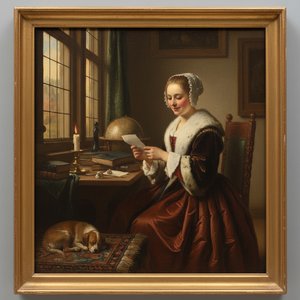
Explore the exquisite world of Gerrit Dou, a master of Dutch Golden Age painting. Discover his intimate genre scenes, signature use of light, and lasting legacy. Learn about collecting Dou's works & their value.

Explore the captivating winter landscapes of Charles Leickert, a master of Dutch Golden Age light & atmosphere. Discover his techniques, symbolism, and lasting legacy – a comprehensive study for art enthusiasts and collectors.

Explore the Dutch Golden Age of painting with TopImpressionists. Discover Rembrandt, Vermeer & other Masters. Learn about key characteristics, iconic artworks, and lasting influence. Expert insights for collectors & enthusiasts.

オランダ黄金時代の10大傑作を紐解く!レンブラント、フェルメール…バロック絵画の魅力と時代背景を深く探求。TopImpressionistsで、至高のアートコレクションと空間演出のヒントを見つけよう。高品質なアートプリントで、お部屋を華やかに。


最新の美術ニュース、限定オファー、そしてインテリアのアイデアをいち早くお届けします。
お客様のプロジェクトについてお聞かせください。当社の美術専門家が、お客様に合わせた3つのパーソナライズされた芸術提案をご提供いたします。
あなたにぴったりの3作品を無料で厳選いたします


 プレビュー
プレビュー
 プリントを購入
 シェアする
シェアする シェアする
シェアする
 詳細を見る
詳細を見る

 ダウンロード
 似ている作品
 X線調査
X線調査 スライドショー
 詳細を見る
詳細を見る









 ガラスオプションは、110cm未満のサイズでのみご利用いただけます。


