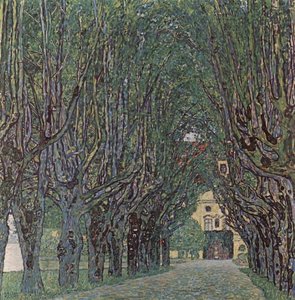
Oil On CanvasWallArtSymbolist Late Works
 1918
1918 70.0 x 70.0 cm




























作品のオリジナル比率に合わせた、当店の規定サイズからお選びください。

特定のフレームやスペースに合わせて、ご希望のサイズをご入力いただけます。選択されたサイズが元の画像の比率と異なる場合、アートワークをトリミングするか、手描きで要素を追加して絵画を拡張いたします。デジタルモックアップ を制作し、制作開始前にご確認(承認)をいただきます。
画面上のプレビューは、実際のトリミングや拡張を正確に反映しているものではありません。最終的な構図は、モックアップによってのみ正確にご確認いただけます。
カスタムサイズもご利用いただけますが、元の比率を維持するためには、あらかじめ用意されたリストからサイズを選択することをお勧めいたします。

Lady in White
複製画のサイズ
Gustav Klimt's “Lady in White,” conceived during a tumultuous period in his artistic life—immediately following a debilitating stroke that tragically curtailed his creative journey—stands as a poignant testament to the artist’s unwavering vision. Completed in 1918, just months before his untimely demise, this painting embodies the spirit of Klimt's final phase, marking a decisive departure from his earlier opulent decorative style towards a more introspective and emotionally resonant expression.
The artwork’s striking simplicity is deceptive. Klimt eschews elaborate ornamentation, focusing instead on a tightly cropped portrait of a woman's face and upper torso against a stark black backdrop—a bold decision that amplifies the figure’s presence and draws attention to her serene gaze. Executed in oil paint with visible brushstrokes, “Lady in White” showcases Klimt’s masterful manipulation of texture; layers upon layers of pigment build up a surface imbued with subtle roughness, mirroring the softness of skin and drapery alike. The artist's deliberate use of loose lines contributes to the painting’s unfinished quality, hinting at an immediacy that captures the fleeting moment of artistic creation.
The color palette is deliberately restrained, prioritizing variations of white and cream accented by delicate hues of pale blue and subtle pink on the woman’s face. This luminous contrast against the enveloping black background serves not only to delineate form but also to evoke a profound sense of melancholy—a reflection of Klimt's own mortality and perhaps an acknowledgement of beauty’s inherent fragility. The inclusion of brown tones in the hair adds another layer of visual interest, grounding the ethereal figure within earthly materiality.
"Lady in White" resides within Klimt’s broader exploration of Symbolism—a movement that sought to transcend representational realism and delve into psychological states and spiritual truths. Influenced by Nietzschean philosophy and Eastern mysticism, Klimt's work reflects a fascination with mythology and archetypal imagery. This painting aligns seamlessly with Klimt’s stylistic evolution, marking a crucial step away from the gilded grandeur of his earlier commissions towards a more emotionally charged aesthetic—one that anticipates the expressive innovations of Surrealism.
More than just a portrait, “Lady in White” communicates an aura of quiet contemplation and inner peace. The woman’s gentle smile conveys serenity, inviting viewers to contemplate themes of femininity, vulnerability, and timeless beauty. Its unfinished state underscores the artist's creative impulse—a poignant reminder that art is never truly complete but rather exists as a conduit for emotion and experience. Today, reproductions of this masterpiece continue to inspire admiration for Klimt’s artistic genius and his ability to distill profound psychological insight into deceptively simple visual forms.

1862 - 1918 , オーストリア

Discover the enchanting alchemy of Impressionism. Explore how the mastery of oil on canvas, through glazing and impasto, captures eternal light and emotion. Perfect for lovers of Monet and Van Gogh seeking the profound depth of hand-painted fine art.

Discover the enchanting world of Art Nouveau. Explore the organic beauty, flowing lines, and Belle Époque elegance that defined an era of unparalleled craftsmanship and natural inspiration.


最新の美術ニュース、限定オファー、そしてインテリアのアイデアをいち早くお届けします。
お客様のプロジェクトについてお聞かせください。当社の美術専門家が、お客様に合わせた3つのパーソナライズされた芸術提案をご提供いたします。
あなたにぴったりの3作品を無料で厳選いたします


 プレビュー
プレビュー
 プリントを購入
 シェアする
シェアする シェアする
シェアする
 詳細を見る
詳細を見る

 ダウンロード
 似ている作品
 X線調査
X線調査 スライドショー
 詳細を見る
詳細を見る









 ガラスオプションは、110cm未満のサイズでのみご利用いただけます。