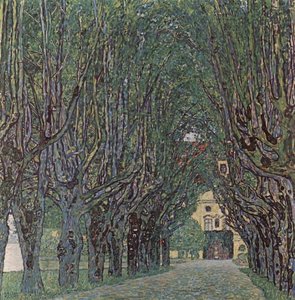
GraphiteArt Nouveau
 1913Modern
 37.0 x 56.0 cm
 アルベリナ美術館
迅速な制作と多彩な仕上げオプションを備えた、ミュージアムクオリティのジークレーまたはキャンバスプリント。 ( 手描きの絵画を購入 画像を購入)





























作品のオリジナル比率に合わせた、当店の規定サイズからお選びください。

特定のフレームやスペースに合わせて、ご自身でサイズを指定することも可能です。選択されたサイズが元の画像の比率と一致しない場合、作品をトリミングするか、鏡面反射または単色での塗りつぶしによって画像を拡張いたします。制作を開始する前に、ご確認用のデジタルモックアップをお送りいたします。
画面上のプレビューには、実際のトリミングや拡張は反映されませんのでご注意ください。最終的な構図を正確に確認できるのは、モックアップのみとなります。
カスタムサイズも承っておりますが、元の比率を維持するためには、あらかじめ用意されたリストからサイズを選択することをお勧めいたします。

Reclining Nude
複製画のサイズ
In the quiet intersection of human vulnerability and decorative splendor lies Gustav Klimt’s "Reclining Nude." Created around 1912–1913, this masterpiece serves as a profound window into the soul of the Austrian Secession movement. At first glance, the viewer is met with a scene of profound stillness; a woman rests in a state of serene repose, her form captured in a moment of effortless grace. Yet, beneath this surface of tranquility lies a complex tapestry of emotion and artistry. The subject, draped in a way that suggests both intimacy and distance, invites the observer into a private sanctuary of thought and sensation. It is not merely a study of the female form, but an exploration of the boundary between the physical world and the spiritual realm.
The technique employed by Klimt in this work reflects his revolutionary departure from the rigid constraints of academic realism. Moving away from the heavy, literal depictions favored by the old guard, Klimt embraced a style that prioritized decorative abstraction and tactile richness. Through the masterful use of graphite and subtle color accents, he creates a sense of depth that feels both flat and infinitely layered. The way light seems to graze the curves of the figure suggests a luminous quality, reminiscent of the Byzantine mosaics that so deeply moved him. This interplay of delicate line work and textured suggestion allows the artwork to breathe, making it a centerpiece that commands attention through subtlety rather than sheer force.
To understand "Reclining Nude," one must understand the rebellious spirit of the Vienna Secession. As a founding member of this avant-garde group, Klimt sought to liberate art from the suffocating traditions of the Austro-Hungarian Empire. This piece embodies that liberation, utilizing organic shapes and flowing lines to evoke the primal rhythms of nature and instinct. The reclining figure becomes a symbol of the subconscious—a space where the boundaries of the self dissolve into the surrounding atmosphere. There is an inherent tension in the work between the tangible weight of the body and the ephemeral, dreamlike quality of the composition, mirroring the era's fascination with psychoanalysis and the hidden depths of the human psyche.
For the discerning collector or interior designer, this artwork offers more than just aesthetic beauty; it provides a narrative anchor for a sophisticated space. The piece possesses a unique ability to harmonize with diverse environments, from the minimalist elegance of a modern gallery-style loft to the opulent textures of a classical study. Its muted yet rich palette and commanding presence make it an ideal choice for those looking to infuse their interiors with a sense of historical depth and emotional resonance. Owning a high-quality reproduction of this work is an invitation to live alongside a piece of history—a constant reminder of the enduring power of beauty, introspection, and the transformative strength of the artistic spirit.

1862 - 1918 , オーストリア

Discover the enchanting world of Art Nouveau. Explore the organic beauty, flowing lines, and Belle Époque elegance that defined an era of unparalleled craftsmanship and natural inspiration.


最新の美術ニュース、限定オファー、そしてインテリアのアイデアをいち早くお届けします。
お客様のプロジェクトについてお聞かせください。当社の美術専門家が、お客様に合わせた3つのパーソナライズされた芸術提案をご提供いたします。
あなたにぴったりの3作品を無料で厳選いたします


 プレビュー
プレビュー
 シェアする
シェアする シェアする
シェアする
 詳細を見る
詳細を見る

 ダウンロード
 似ている作品
 X線調査
X線調査 スライドショー
 詳細を見る
詳細を見る









 ガラスオプションは、110cm未満のサイズでのみご利用いただけます。