
 設置イメージを確認
 送る
送る シェア
シェア
 詳細情報
詳細情報 ガイドを表示

 画像をダウンロード
 似ている作品
 X線調査
X線調査 スライドショー
 Q&A
Q&A 統計情報
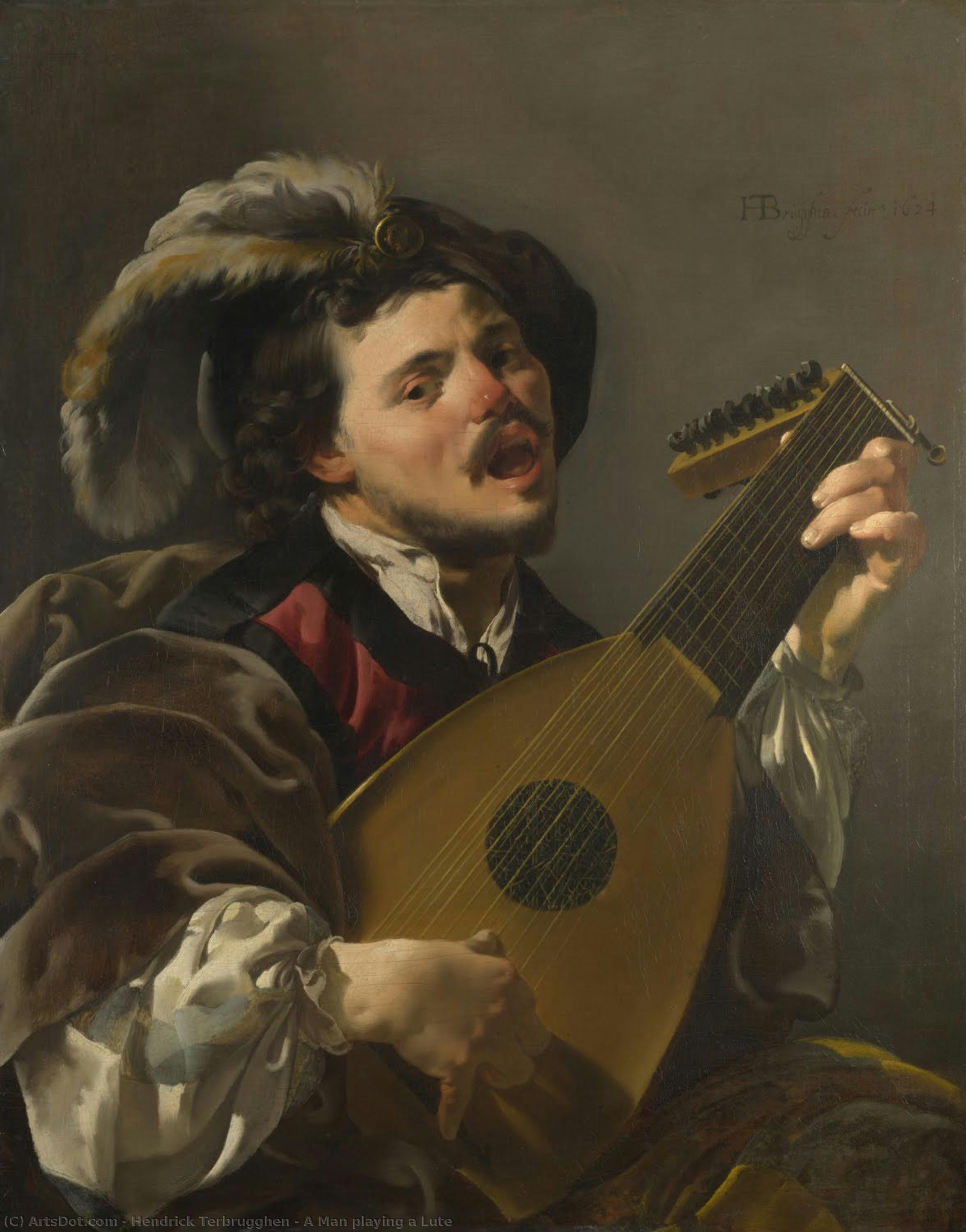
統計情報A Man playing a Lute

- 100.0 x 78.0 cm


Hendrick Terbrugghen's masterpiece, ‘A Man Playing a Lute,’ exemplifies the Utrecht Caravaggisti movement. Painted in 1624, it captures a male musician engrossed in his instrument—a lute—with masterful use of chiaroscuro reminiscent of Caravaggio’s style.
 続きを読む
続きを読む
ヘンドリック・テルブルフヘンをご紹介:ドラマチックな光と影、カラヴァッジョにインスパイアされたスタイルで知られるオランダ黄金時代の画家。「受胎告知」や「歌うリュート奏者」などの作品をぜひご覧ください。 #オランダ美術 #カラヴァッジティ
ジークレー/アートプリント
スピーディーな制作と多彩な仕上げオプションが魅力の、ミュージアムクオリティなジークレー・キャンバスプリント。 ( 手描きの複製画を注文する デジタル画像販売へ切り替え)




P118B ¥10

P118H ¥10

P118W ¥10

P438Z ¥10

P508JH ¥12

P508YH ¥12

P805H ¥10

P805Z ¥10

P919BZ ¥10

P919G ¥10

P919XJ ¥10

P959ZH ¥10

P968JZ ¥12

W106C ¥8

W218G ¥10

W218JH ¥8

W218Y ¥10

W307PJ ¥10

W316G ¥10

W316PJ ¥8

W316Y ¥10

W398PJ ¥8

W4111J ¥10

W500HY ¥15

W500JH ¥15

W692G ¥12

W849H ¥8

W940BG ¥15

W953PJ ¥8




標準サイズ
カスタムサイズ
CM
INCH
作品のオリジナル比率に合わせた、当店の規定サイズからお選びください。
Loading sizes...

横幅
高さ
額縁や壁のスペースに合わせて、ご希望の幅と高さを入力してください。プリントはカットすることは可能ですが、元の画像より大きくすることはできないため、異なる比率のサイズを選択された場合は、画像の一部が欠けることになります。印刷を開始する前に、内容を確認していただくためのデジタルモックアップをお送りいたします。このページに表示されている画像は、実際のカット後の状態を示すものではありません。実際の仕上がりはモックアップにてご確認ください。


 ガラスオプションは、110cm未満のサイズでのみご利用いただけます。

A Man playing a Lute
ジークレー/アートプリント
複製画サイズ一覧
-


合計金額
¥ 10888
The Melodic Shadows of the Utrecht Caravaggisti
In the quiet intimacy of 1624, Hendrick Terbrugghen captured a moment of profound musical devotion that transcends the centuries. A Man playing a Lute is not merely a portrait of a musician; it is a masterclass in the dramatic interplay of light and shadow, a hallmark of the Utrecht Caravaggisti movement. As the man cradles his instrument, the viewer is drawn into a private world where the only sound is the imagined resonance of plucked strings. The composition breathes with an elegance that speaks to the sophisticated tastes of the Dutch Golden Age, offering a window into a period where art sought to bridge the gap between the earthly and the divine through the visceral beauty of everyday life.
The technique employed by Terbrugghen is nothing short of breathtaking. Utilizing the chiaroscuro method—a technique perfected by Caravaggio and brought to the Netherlands by artists like Terbrugghen—the painter uses deep, velvety shadows to sculpt the figure from the darkness. This high-contrast approach directs our gaze toward the vibrant textures of the subject's attire: the rich, crimson fabric of his clothing and the soft, tactile presence of his fur-trimmed hat. Every brushstroke serves to highlight the intricate craftsmanship of the lute itself, making the instrument feel heavy, tangible, and central to the soul of the painting.
A Symphony of Color and Texture
For the discerning collector or interior designer, this piece offers a magnificent palette of warm tones that can anchor a room with a sense of historical prestige. The deep reds and earthy ochres create an atmosphere of warmth and luxury, making it an ideal centerpiece for a study, a library, or a formal dining area. The visual weight of the lute, which occupies a significant portion of the canvas, provides a structural focal point that commands attention without overwhelming the surrounding decor. It is a work that invites contemplation, encouraging guests to linger on the fine details of the man's concentrated expression and the delicate anatomy of his hands.
Beyond its aesthetic appeal, the painting carries a symbolic weight common in seventeenth-century Dutch art. The lute often served as a metaphor for harmony—both musical and social. To possess such a work is to invite a sense of balance and refined culture into one's space. Whether viewed as a historical artifact or a stunning decorative element, A Man playing a Lute remains a timeless testament to the power of light to reveal the hidden beauty in a single, fleeting moment of artistic expression.
よくあるご質問
「A Man playing a Lute」に似た作品はありますか?
ヘンドリック・テルブルッヘン作「A Man playing a Lute」に似た作品は、作品の似ている作品ページにまとめられています。
「A Man playing a Lute」の作者は誰で、どの様式に属していますか?
「A Man playing a Lute」の背景には、ヘンドリック・テルブルッヘンとBaroque運動があります。
ヘンドリック・テルブルッヘン作「A Man playing a Lute」 の複製画は、どこに飾るのが最適でしょうか?
ヘンドリック・テルブルッヘン作「A Man playing a Lute」の展示に関する情報は、フォーマット(Portrait)と推奨される設置場所(Living Room)の2点です。
アーティストについて
初期の生涯と影響
ヘンドリック・ヤンスス・テルブルッヘンは、オランダ黄金時代の絵画界において極めて重要な地位を占める画家です。1588年、オランダのオーバーイッセルに生を受けた彼の運命は、父ヤン・エグベルツ・テルブルッヘンの存在によって大きく形作られました。父はウィレム公(沈黙公)の下でユトレヒト宮廷の書記を務めており、そのような高貴な環境での経験が、ヘンドリックの幼少期における芸術への深い関心を育んだことは間違いありません。芸術的キャリアと画風
テルブルッエンの芸術的な旅路は、マニエリスム派の画家であるアブラハム・ブロメールトへの師事から始まりました。その後、彼はカラヴァッジョの衝撃的な表現に触発されたオランダ人画家集団、「ユトレヒト・カラヴァッジエスキ」の主要なメンバーの一人へと成長を遂げます。彼の作品の真髄は、光と影が織りなす劇的なコントラストにあります。ドイツのミュンヘンにあるアルテ・ピナコテークに収蔵されている「受胎告知」や「享楽者」といった傑作には、その圧倒的な表現力が刻み込まれています。代表作とその遺産
テルブルッヘンの名声を象徴する作品の一つに、アムステルダムのクレマー・コレクションが所蔵する「歌うリュート奏者」があります。これはロンドンのナショナル・ギャラリーにある作品の自筆複製であり、彼の豊かな色彩感覚を見事に示しています。また、「受胎告知」は、カラヴァッジョの様式をいかに完璧に習得していたかを物語る至高の逸品です。後世の芸術家への影響: テルブルッヘンの功績は、単なる一時代の流行に留まりませんでした。彼の表現は、後に続く偉大な画家レンブラント・ファン・レインにも深い影響を与えました。アムステルダムの国立美術館(ライクスミュージアム)に鎮座する、あの有名な「夜警」に見られるドラマチックな光の演出は、ユトレヒト・カラヴァッジエスキ派が残した不朽の遺産を証明しているのです。
テルブルッヘンの作品を収蔵する美術館とコレクション
- オランダ、ハーグのマウリッツハイス美術館:ピーテル・パウル・ルーベンスによる「ニンフとサテュロス」などの名作を展示しています。
- アムステルダム、クレマー・コレクション:テルブルッヘンの傑作「歌うリュート奏者」を大切に保管しています。
- TopImpressionists.comで、テルブルッヘンのさらなる作品を探求しましょう。
- TopImpressionists.comの美術史セクションで、オランダ黄金時代の絵画とその影響について発見してください。
- TopImpressionists.comでは、同じくユトレヒト・カラヴァッジエスキの一員であるディルク・ファン・バビューレンなど、他の芸術家についても学ぶことができます。
結び
テルブルッヘンの謎に満ちた生涯と、オランダ黄金時代の絵画界への多大なる貢献は、美術史に消えることのない足跡を残しました。光と影を操る彼の劇的な技法は、時を超えて今なお芸術家や愛好家たちの心を捉え続け、美術の世界において極めて魅力的な存在であり続けています。
ヘンドリック・テルブルッヘン
1627 - 1629 , オランダ
アーティスト情報
- Artistic Movement Or Style: カラヴァッジオ派の絵画
- Artists Or Movements Influenced By This Artist: レンブラント・ファン・レイン
- Artists Who Influenced This Artist: アブラハム・ブロモエルト
- Date Of Birth: 1588年
- Date Of Death: 1629年11月
- Full Name: ヘンドリック・ヤンスス・テルブルッヘン
- Nationality: オランダ
- Notable Artworks:
- 歌うリュート奏者
- 受胎告知
- イスラエルの女たちに称賛されるダビデ
- Place Of Birth: オランダ、オーバーイッセル
関連記事

Mastering Light & Shadow: A Journey Through the Dutch Golden Age's Luminous Legacy
Embark on a cultural journey through the Dutch Golden Age. Explore the masterful interplay of light and shadow in 17th-century masterpieces, from Rembrandt to Vermeer, and discover how this era of profound realism continues to inspire fine art collectors today.

Golden Light & Dutch Skies: The Timeless Magic of Dutch Golden Age Landscapes
Discover the breathtaking beauty of Dutch Golden Age landscapes. Explore the mastery of light, chiaroscuro, and 17th-century realism through an expert art history lens, celebrating the enduring legacy of the Dutch Masters for discerning collectors and art lovers.
