


 設置イメージを確認
 送る
送る シェア
シェア
 詳細情報
詳細情報 ガイドを表示

 画像をダウンロード
 似ている作品
 X線調査
X線調査 スライドショー
 統計情報
統計情報Notre Dame


 続きを読む
続きを読む
ジークレー/アートプリント
スピーディーな制作と多彩な仕上げオプションが魅力の、ミュージアムクオリティなジークレー・キャンバスプリント。 ( 手描きの複製画を注文する デジタル画像販売へ切り替え)




P118B ¥10

P118H ¥10

P118W ¥10

P438Z ¥10

P508JH ¥12

P508YH ¥12

P805H ¥10

P805Z ¥10

P919BZ ¥10

P919G ¥10

P919XJ ¥10

P959ZH ¥10

P968JZ ¥12

W106C ¥8

W218G ¥10

W218JH ¥8

W218Y ¥10

W307PJ ¥10

W316G ¥10

W316PJ ¥8

W316Y ¥10

W398PJ ¥8

W4111J ¥10

W500HY ¥15

W500JH ¥15

W692G ¥12

W849H ¥8

W940BG ¥15

W953PJ ¥8




標準サイズ
カスタムサイズ
CM
INCH
作品のオリジナル比率に合わせた、当店の規定サイズからお選びください。
Loading sizes...

横幅
高さ
額縁や壁のスペースに合わせて、ご希望の幅と高さを入力してください。プリントはカットすることは可能ですが、元の画像より大きくすることはできないため、異なる比率のサイズを選択された場合は、画像の一部が欠けることになります。印刷を開始する前に、内容を確認していただくためのデジタルモックアップをお送りいたします。このページに表示されている画像は、実際のカット後の状態を示すものではありません。実際の仕上がりはモックアップにてご確認ください。


 ガラスオプションは、110cm未満のサイズでのみご利用いただけます。

Notre Dame
ジークレー/アートプリント
複製画サイズ一覧
-


合計金額
¥ 10859
A Symphony of Color Against Parisian Stone
In the heart of Paris, where history meets the pulse of modern life, Henri Matisse’s 1914 masterpiece, Notre Dame, stands as a breathtaking testament to the power of expressive color. This work is far more than a mere architectural study; it is an embodiment of Fauvist fervor distilled onto paper. Through his masterful use of pastel, Matisse captures the iconic cathedral not through rigid, academic precision, but through a vibrant, rhythmic energy that mirrors the very soul of the city. The composition invites the viewer to step into a world where the boundaries between stone and spirit blur, offering a window into a Paris that feels both timeless and urgently alive.
The technique employed in this piece reveals Matisse’s profound command over his medium. Utilizing pastel crayons—a choice favored for their immediate luminosity and tactile richness—the artist achieved a remarkable textural depth. Rather than relying on traditional shading or the heavy shadows of classical realism, he utilized bold, sweeping strokes to create an impressionistic effect. This approach prioritizes feeling over precise observation, allowing the viewer to experience the atmosphere of the cityscape. The cathedral itself emerges from a sea of muted tones, its silhouette punctuated by the lively movement of the streets below, where pedestrians and vehicles drift through a landscape rendered with spontaneous, brilliant light.
The Spirit of Fauvism and Historical Resonance
To understand Notre Dame, one must look to the era of its creation. Painted on the precipice of World War I, the work reflects a period of intense intellectual and artistic upheaval. Matisse, alongside contemporaries like Picasso, was actively dismantling the constraints of Victorian sentimentality and academic naturalism. This piece belongs to his experimental period, where he embraced a radical simplification of form. The cathedral is not just a landmark; it is a symbol of resilience and faith, standing firm amidst a changing world. By eschewing realistic representation in favor of subjective experience, Matisse captures the tension and the beauty of an era on the brink of transformation.
The symbolism within the work is deeply tied to Matisse’s philosophical devotion to color. The strategic use of bold reds and yellows does more than decorate the canvas; these hues convey a sense of joy, vitality, and an unshakeable belief in art's ability to inspire contemplation. For the collector or interior designer, this painting offers a profound emotional resonance. It brings a sense of sophisticated energy to any space, acting as a focal point that celebrates both the grandeur of historical architecture and the liberating power of human emotion. Owning a reproduction of this work is an invitation to surround oneself with the enduring light of the Fauvist revolution.
よくあるご質問
マティス作「Notre Dame」の来場者はどこから来ているのでしょうか?
「Notre Dame」には、専用の統計情報ページがあります。このページでは、その作品およびアーティストの他の作品の月間訪問者数を、国別・言語別の内訳とともにグラフで表示しています。
「Notre Dame」の作者であるマティスには、他に知られている名前はありますか?
「Notre Dame」の作者であるマティスには、他にアンリ・エミール・ベノワ・マティス, アンリ・マチスといった名称でも記録されています。
マティス作「Notre Dame」は、どのような感情を伝えていますか?
マティス作「Notre Dame」に記録された情緒的なトーンはEnergeticです。これは、作品が表現している感情を要約したものです。


アーティストについて
色彩の魔術師、アンリ・マティス:近代美術への革命
アンリ・マティスは、19世紀末から20世紀にかけて活躍したフランスの画家であり、色彩と線描の卓越した表現力によって、近代美術に多大な影響を与えた芸術家です。1869年12月31日、北フランスのル・カトウ=カンブレーシスの小さな町で生まれました。当初は法律を志望し、パリで法学を学びましたが、1889年の虫垂炎の発病が彼の人生を劇的に変えました。療養中に母親から贈られた絵具セットを手にしたことをきっかけに、芸術への情熱が芽生え、法廷の弁護士になるはずだった彼は、色彩とキャンバスの世界へと足を踏み入れたのです。幼少期をボーアン=アン=ヴェルマンдуаで過ごし、穀物商の両親のもとで育ちましたが、ボヘミアンな芸術家の生活とは一見相容れない存在でした。しかし、その種は既に蒔かれており、療養生活によって育まれ、生涯にわたる芸術への献身へと花開いたのです。アカデミー・ジュリアンやÉcole Nationale des Beaux-Artsでウィリアム=アドルフ・ブルゲーローやギュスターヴ・モローといった巨匠の下で学び、古典的な技法を習得しましたが、初期の作品にはその影響が見られ、独自の個性が確立されるまでには時間がかかりました。fauve(野獣)の誕生:色彩への解放
1896年のベル=イル訪問が転換点となりました。オーストラリア人画家ジョン・ラッセルとの出会いは、彼に印象派の世界と、より重要なことに、フィンセント・ファン・ゴッホの感情を揺さぶるようなキャンバスを紹介しました。この経験は、マティスのそれまでの抑制された色彩感覚を打ち砕き、より大胆で主観的なアプローチへと駆り立てました。地味な色合いから離れ、感情に共鳴する鮮やかな色彩を受け入れ、1905年頃には fauve(野獣)と呼ばれる芸術運動が誕生しました。この名称は当初、批評家によって彼らの作品の鮮烈な色彩に対して用いられた嘲笑的な表現でしたが、やがてマティスを中心とするグループを指す言葉として定着しました。アンドレ・ドランやモーリス・ド・ヴラマンクといった画家たちと共に、マティスは色彩を独立した表現要素として捉え、従来の写実性を無視して感情を直接的に伝えることを追求しました。The Gourds(1905年)に見られるように、赤、緑、黄色の鮮やかな色彩が大胆に用いられ、伝統的な遠近法や模倣を無視した自由な表現が特徴です。装飾性と調和:新たな美の探求
fauve運動の熱狂期を経て、マティスのスタイルは洗練され、装飾性を重視する方向へと変化しました。色彩への愛着を持ちながらも、より平坦化された形態と複雑なパターンを強調し、調和のとれた構成を生み出しました。1917年に南フランスのニースに移住したことで、彼の作品には穏やかさと古典的なバランスが加味されるようになりました。彼は絵画だけでなく、陶芸やテキスタイルなど、様々なメディアを通して芸術的表現の領域を広げました。単に風景を描写するのではなく、鑑賞者を美しさで包み込むような世界を構築しようとしたのです。晩年:制限からの革新—切り絵による創造
晩年は、健康状態の悪化により従来の画法が困難になったため、彼は新たな芸術的表現として切り絵(découpages)に挑戦しました。1947年頃から始まったこの技法は、車椅子生活を送る中で生まれた実用的な解決策でしたが、やがて色彩と形態に関する新しい思考へと発展しました。鮮やかな色彩の大きな紙を切り抜き、有機的な形や人物などをキャンバス上に配置することで、ダイナミックでありながらも一見すると単純な構成を生み出しました。これらのdécoupagesは、単なる代替手段ではなく、色彩、形態、構成に対する新たなアプローチを示すものでした。彼は肉体的な制約にも屈することなく、芸術家としての進化を続けました。切り絵の技法は、彼が絵具では困難だった純粋な形態と色彩を実現することを可能にし、過去のテーマやモチーフを新鮮で革新的な方法で再解釈する手段となりました。近代美術への遺産:色彩の力
1954年11月3日、ニースで死去したアンリ・マティスは、世界中の美術館に彼の作品が収蔵され、今なお多くの芸術家や愛好家に影響を与え続けています。彼は伝統的な表現方法に挑戦し、色彩の表現力を称揚することで、近代美術の流れを大きく変えました。パブロ・ピカソと並び称される最も重要な20世紀の芸術家の一人として、マティスはモダニズムを根本的に形作り、喜び、美しさ、そして色彩の持つ変革的な可能性を祝福する芸術哲学を提唱しました。彼は世界を描写したのではなく、鑑賞者に感情的な体験を促し、光と鮮やかな色彩に満たされた世界への共有を招いたのです。マティスの遺産は、彼の作品を超え、様々な分野のアーティストたちに影響を与え続けており、真の芸術の巨匠としての地位を確固たるものとしています。
マティス
1869 - 1954 , フランス
アーティスト情報
- フルネーム: アンリ・マティス
- 主な作品:
- 風の歌
- 豪華な静寂
- 踊り
- 出生地: ル・カトウ=カンブレーシス、フランス
- 国籍: フランス人
- 影響を与えたアーティストや運動:
- モダニズム
- 表現主義
- 影響を受けたアーティスト:
- フィンセント・ファン・ゴッホ
- シャルダン
- 没年月日: 1954年11月3日
- 生年月日: 1869年12月31日
- 芸術運動またはスタイル: フォーヴィスム
関連記事

アンリ・マティスの傑作25選:色彩と情熱の軌跡|TopImpressionists
アンリ・マティスの傑作25選🎨 色彩と情熱が織りなす世界を旅する。フォーヴィスム代表の巨匠、マティスの絵画の魅力と歴史を紐解きます。TopImpressionistsで高品質なアートプリントや複製画を見つけ、インテリアに芸術的な輝きを✨ Explore the full collection online
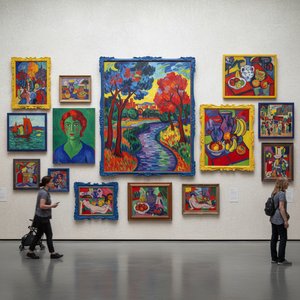
至福の色彩が彩る:フォーヴィズムを定義づけた10大名作
鮮烈な色彩が時代を席巻!フォーヴィズムを代表する10大名作を徹底解剖。マティスら巨匠の技と情熱に触れ、アートの新たな世界を発見。TopImpressionists.comで至高の美術館級レプリカと洗練されたインテリアアイデアを見つけよう。

Fauvism's Boldest Visions: 10 Masterpieces That Revolutionized Modern Art | TopImpressionists
Explore 10 Fauvist masterpieces by Matisse, Derain & Vlaminck that ignited Modern Art! Discover bold colors, expressionist landscapes & the history of this revolutionary movement. Find museum-quality prints at TopImpressionists.com.

The Wild Beast Within: Exploring Fauvism's Revolutionary Use of Color and Form
Explore the revolutionary Fauvism movement & Henri Matisse's bold use of color! Discover key characteristics, iconic artworks, and its lasting impact on modern art history with TopImpressionists.
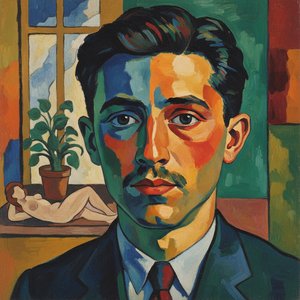
Henri Matisse: A Revolutionary Use of Color and Form in Modern Art
Explore the revolutionary art of Henri Matisse! Discover his bold use of color, Fauvist origins, and lasting impact on modern painting. A comprehensive guide for art enthusiasts.
テーマ、スタイル、特徴別に分類された作品を探索しましょう。


