
当社のアーティストが、お客様のご希望のサイズと額縁に合わせて、キャンバスに手描きで制作する油彩画です。 ( プリント版に切り替え 画像に切り替え)





























作品のオリジナル比率に合わせた、当店の規定サイズからお選びください。

特定のフレームやスペースに合わせて、ご希望のサイズをご入力いただけます。選択されたサイズが元の画像の比率と異なる場合、アートワークをトリミングするか、手描きで要素を追加して絵画を拡張いたします。デジタルモックアップ を制作し、制作開始前にご確認(承認)をいただきます。
画面上のプレビューは、実際のトリミングや拡張を正確に反映しているものではありません。最終的な構図は、モックアップによってのみ正確にご確認いただけます。
カスタムサイズもご利用いただけますが、元の比率を維持するためには、あらかじめ用意されたリストからサイズを選択することをお勧めいたします。

untitled (629)
複製画のサイズ
In the realm of modern art, few names evoke as much immediate sensory delight as Henri Matisse. His work "Untitled (629)" serves as a breathtaking testament to the power of color to transcend mere representation. Created around 1909, this masterpiece is far more than a simple arrangement of fruit; it is an embodiment of the Fauvist spirit—a bold, revolutionary assertion that color itself can be the primary expressive language of a canvas. As one gazes upon this composition, they are not merely looking at a dining table, but rather entering a world where light and hue dance in a rhythmic, energetic embrace.
The painting captures a moment of quiet abundance, featuring a vibrant still life that breathes with life. Scattered across the surface of the table, apples glow with an incandescent warmth, while oranges radiate a citrusy vibrancy that seems to pulse against the canvas. A solitary pear sits nestled within this chromatic explosion, offering a grounding element of pale green that provides a necessary breath of stillness amidst the surrounding heat. This careful arrangement of fruit and vegetables, accompanied by the subtle presence of an open book, suggests a scene of leisurely contemplation—a cozy, domestic sanctuary where time slows down to allow for the simple joys of nourishment and reading.
To understand the profound impact of this work, one must look closely at Matisse’s deliberate departure from the precision of Impressionism. Eschewing fine, blended transitions, Matisse employs a technique characterized by loose, spontaneous brushstrokes that imbue the scene with a palpable sense of movement. The palette is a masterful study in contrast: deep, sun-drenched shades of yellow, orange, and red are skillfully juxtaposed against muted greens and earthy browns. These colors are applied in distinct, energetic patches rather than smooth gradients, creating a visual rhythm that draws the eye across the table in a continuous, flowing motion.
This approach was central to the Fauvist movement—a term derived from "les Fauves," or "the wild beasts"—which Matisse helped spearhead alongside contemporaries like André Derain. By rejecting the academic demand for naturalistic detail, Matisse liberated color from its traditional role of merely describing reality. In "Untitled (629)," color does not just describe an apple; it is the essence of the apple's vitality. For the collector or interior designer, this technique offers a unique decorative advantage: the painting possesses a structural strength and a luminous quality that can anchor a room, providing both a focal point of intense energy and a sense of sophisticated, modern elegance.
Beyond its technical brilliance, "Untitled (629)" offers a profound emotional resonance that continues to captivate viewers over a century later. There is an inherent optimism found within these vibrant hues—a celebration of life, light, and the beauty of the everyday. The painting evokes a sense of tranquility and warmth, making it an ideal piece for spaces designed for relaxation and rejuvenation. It invites the viewer to step away from the complexities of the modern world and find solace in the simplified, beautiful forms of nature.
For those seeking to adorn their homes or galleries with a high-quality reproduction, this work represents an opportunity to possess a fragment of art history. It is a piece that speaks to the soul through its unapologetic joy. Whether placed in a sunlit breakfast nook or as a bold statement in a contemporary living area, Matisse’s mastery of decorative pattern and color ensures that "Untitled (629)" remains a timeless source of inspiration, bringing the legendary warmth of the French Fauvist tradition into the modern interior.


1869 - 1954 , フランス

アンリ・マティスの傑作25選🎨 色彩と情熱が織りなす世界を旅する。フォーヴィスム代表の巨匠、マティスの絵画の魅力と歴史を紐解きます。TopImpressionistsで高品質なアートプリントや複製画を見つけ、インテリアに芸術的な輝きを✨ Explore the full collection online

Explore 10 Fauvist masterpieces by Matisse, Derain & Vlaminck that ignited Modern Art! Discover bold colors, expressionist landscapes & the history of this revolutionary movement. Find museum-quality prints at TopImpressionists.com.
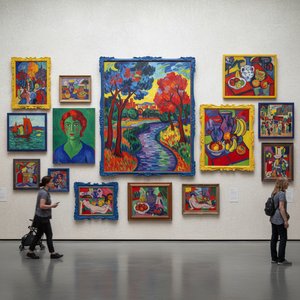
鮮烈な色彩が時代を席巻!フォーヴィズムを代表する10大名作を徹底解剖。マティスら巨匠の技と情熱に触れ、アートの新たな世界を発見。TopImpressionists.comで至高の美術館級レプリカと洗練されたインテリアアイデアを見つけよう。
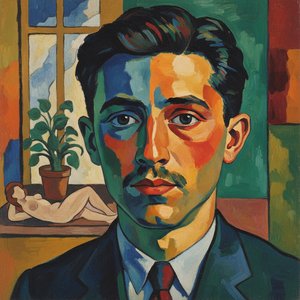
Explore the revolutionary art of Henri Matisse! Discover his bold use of color, Fauvist origins, and lasting impact on modern painting. A comprehensive guide for art enthusiasts.

Explore the revolutionary Fauvism movement & Henri Matisse's bold use of color! Discover key characteristics, iconic artworks, and its lasting impact on modern art history with TopImpressionists.


最新の美術ニュース、限定オファー、そしてインテリアのアイデアをいち早くお届けします。
お客様のプロジェクトについてお聞かせください。当社の美術専門家が、お客様に合わせた3つのパーソナライズされた芸術提案をご提供いたします。
あなたにぴったりの3作品を無料で厳選いたします


 プレビュー
プレビュー
 シェアする
シェアする シェアする
シェアする
 詳細を見る
詳細を見る

 ダウンロード
 似ている作品
 X線調査
X線調査 スライドショー

 詳細を見る
詳細を見る









 ガラスオプションは、110cm未満のサイズでのみご利用いただけます。


