

 設置イメージを確認
 送る
送る シェア
シェア
 詳細情報
詳細情報 ガイドを表示

 画像をダウンロード
 似ている作品
 X線調査
X線調査 スライドショー
 統計情報
統計情報Alice
 Woodcut
- Academic Portraiture
 1892
1892- 19th Century
 18.0 x 14.0 cm
 続きを読む
続きを読む
このページに掲載されている作品は著作権法によって保護されており、当社の許可なく同一の複製物を制作または販売することは法律で禁じられています。この保護は、以下のような国際条約に基づき執行されます。 ベルヌ条約 および、以下の条項に定められたものを含む各国の法律により、 米国著作権法 第17編。
この手法は、著作権で保護された作品の複製や複写を伴わないため、著作権法に完全に準拠しています。これは単なる模倣ではなく、創造的な再解釈です。元の作品からインスピレーションを受けつつも、それとは異なる、全く新しい絵画を生み出すものです。
ジークレー/アートプリント
スピーディーな制作と多彩な仕上げオプションが魅力の、ミュージアムクオリティなジークレー・キャンバスプリント。 ( 手描きの複製画を注文する デジタル画像販売へ切り替え)




































標準サイズ
カスタムサイズ
CM
INCH
作品のオリジナル比率に合わせた、当店の規定サイズからお選びください。
Loading sizes...

横幅
高さ
額縁や壁のスペースに合わせて、ご希望の幅と高さを入力してください。プリントはカットすることは可能ですが、元の画像より大きくすることはできないため、異なる比率のサイズを選択された場合は、画像の一部が欠けることになります。印刷を開始する前に、内容を確認していただくためのデジタルモックアップをお送りいたします。このページに表示されている画像は、実際のカット後の状態を示すものではありません。実際の仕上がりはモックアップにてご確認ください。


 ガラスオプションは、110cm未満のサイズでのみご利用いただけます。

Alice
ジークレー/アートプリント
複製画サイズ一覧
-


合計金額
¥ 10860
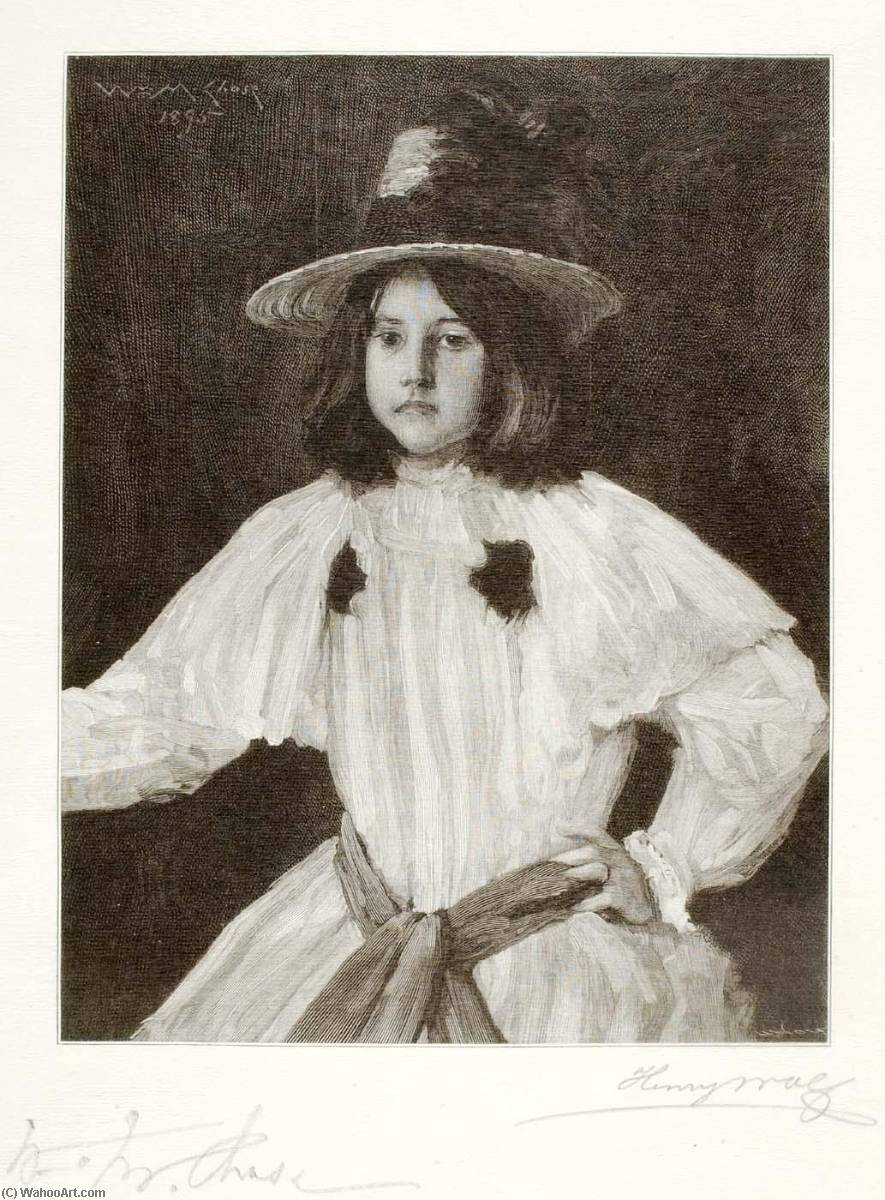
Alice by Henry Wolf: A Victorian Portrait in Wood Engraving
“Alice,” created by Henry Wolf in 1892, is a captivating wood engraving that transports viewers to the elegance of the Victorian era. This piece, currently residing at the Smithsonian American Art Museum, exemplifies Wolf’s skill and attention to detail, offering a glimpse into a bygone time through a beautifully rendered portrait.
Artist Background: Henry Wolf's Journey
Henry Wolf (1852-1916) was a French-born wood engraver who significantly contributed to American art. Born in Eckwersheim, France, he studied under Jacques Levy and exhibited his work in Paris before immigrating to New York City in 1871. He became renowned for his ability to reproduce works by prominent artists through the intricate medium of wood engraving. Wolf’s legacy extends beyond this single piece; he was a master craftsman who helped popularize art reproduction during an era when access to original artworks was limited.
Description and Technique: A Study in Detail
The artwork depicts a young girl, presumably named Alice, wearing a hat and gazing directly at the viewer with a serious expression. The engraving showcases Wolf’s mastery of woodcutting techniques. He meticulously carved lines into blocks of wood, which were then inked and pressed onto paper to create the image. This process required immense precision and skill, as each line contributed to the overall tonal range and texture of the portrait. The grayscale palette enhances the sense of timelessness and adds a touch of solemnity to the subject’s demeanor. The level of detail in the girl's clothing and facial features is remarkable, demonstrating Wolf’s dedication to realism.
Historical Context and Symbolism
“Alice” reflects the artistic trends prevalent during the late 19th century, a period characterized by academic portraiture and a focus on realistic representation. Wood engraving was a popular medium for reproducing illustrations in magazines and books, making art more accessible to a wider audience. The subject’s attire suggests a middle-class Victorian upbringing, while her direct gaze conveys a sense of quiet dignity and perhaps introspection. While overt symbolism is minimal, the portrait evokes feelings of nostalgia and reverence for traditional values.
Similar Artists and Styles
For those appreciating Wolf's style and skill, exploring works by other artists from this period can provide further context and enjoyment:
- James McNeill Whistler: Known for his atmospheric landscapes and portraits, Whistler’s emphasis on tonal harmony resonates with the subtle gradations of tone in “Alice.”
- Boris Gorelick: Gorelick's expressive style and use of texture offer a contrasting yet complementary perspective on portraiture.
- Gabor Peterdi: A master printmaker, Peterdi’s work shares Wolf’s dedication to technical precision and detailed observation.
“Alice” by Henry Wolf is more than just a portrait; it's a testament to the artistry of wood engraving and a window into Victorian society. Its enduring appeal lies in its exquisite detail, historical significance, and ability to evoke a sense of quiet contemplation.
アーティストについて
波乱に満ちた生涯、鍛えられたビジョン:ヘンリー・ウルフの物語
ヘンリー・ウルフの人生は、転換と再生を繰り返した劇的なものであり、その軌跡は彼の革新的なグラフィックデザインとアートディレクションに深く影響を与えました。1925年、ウィーンで裕福なユダヤ人家庭に生まれた彼は、穏やかで文化的な幼少時代を送りましたが、1938年のアンシュルス(オーストリア併合)によってその世界は一変します。ナチスの侵略により一家はフランスや北アフリカを逃れ、迫害から身を守るという過酷な旅に出ざるを得ませんでした。不確実性と苦難に満ちたこれらの年々は、彼の中に視覚コミュニケーションに対する深い感受性を植え付けました。それは、混沌とした現実を乗り越えるための手段だったのかもしれません。1941年にアメリカ合衆国に移住したことは、安息の地となる一方で、適応と再創造を要求しました。この初期の経験は単なる伝記的な詳細ではありませんでした。それは、ヨーロッパの洗練さとアメリカのダイナミズムが融合したウルフ独特の美学が鍛えられたるつぼだったのです。彼は1943年から1946年まで軍に所属し、さらに視野を広げた後、芸術家としてのキャリアをスタートさせました。写真家の指導から雑誌革命へ
戦後のニューヨークはウルフの創造的な実験室となりました。彼はリチャード・アヴェドン、メルヴィン・ソコルスキー、アート・ケインといった写真界の巨匠たちの下でプロとしてのキャリアをスタートさせました。彼らは技術的なスキルだけでなく、構図、照明、ストーリーテリングに対する鋭い眼力をウルフに教え込みました。これらの要素は彼のスタイルを特徴づけることになります。1952年、Esquire誌のアートディレクターに就任したことが彼のブレイクスルーとなりました。当時、アーノルド・ジンリッチの下で変革期にあったEsquireは、単なるセンセーショナリズムを超えたイメージの向上を目指していました。ウルフはその機会を最大限に活かし、雑誌の視覚的アイデンティティに新たな洗練さをもたらしました。彼は装飾的な書体やセンチメンタルなイラストから脱却し、大胆なレイアウト、エレガントなタイポグラフィー、そして印象的な写真を取り入れました。彼の表紙は特に革新的で、雑誌の象徴的なひげを生やしたマスコットキャラクター、エスキィをさりげなく参照するウィットに富んだ写真コンセプトを採用していました。これは単なる美学の問題ではありませんでした。それは、知性、スタイル、そして視覚的芸術性を重視する新たな男性誌の基準を確立しようとする意図的な試みだったのです。影響の三部作:Harper’s Bazaar、Show、そしてその先へ
ウルフの影響はEsquireにとどまりませんでした。1958年、彼はアレクセイ・ブロドヴィッチの後任としてHarper’s Bazaarのアートディレクターに就任し、ハイファッションの世界で彼の美学をさらに洗練させる機会を得ました。彼は一流の写真家やイラストレーターと協力し、編集デザインの境界線を押し広げる視覚的に魅力的なページを作り出しました。3年後、ハンティントン・ハートフォードのためにShow誌を創刊するという野心的なプロジェクトに挑戦しました。この新たな試みは、ウルフに前例のない創造的自由を与え、革新的なビジュアルコンセプトを探求し、従来の規範に挑戦することを可能にしました。しかし、1965年にマッキャン・エリクソンに入社し、その後Trahey/Wolfのパートナーとなった彼の広告業界での経験は、彼の多才さを示していました。彼はアルカセルツァー、ビュイック、ジレット、コカ・コーラといったブランドのキャンペーンに、同じ細部へのこだわりと概念的な厳密さを持ち込み、彼のデザイン原則が編集作品の境界を超えていることを証明しました。遺産と教育:ビジョンを伝える
1971年、ウルフは写真、映画、デザインに特化した制作会社Henry Wolf Productionsを設立し、個人的なプロジェクトを追求し、新たな創造的な道を探求することを可能にしました。同時に、彼は次世代のデザイナーを育成することの重要性を認識していました。彼はパーソンズスクール・オブ・デザイン、スクール・オブ・ビジュアル・アーツ、クーパー・ユニオンで講師として自身の専門知識を惜しみなく共有し、視覚コミュニケーションに対する情熱で無数の学生にインスピレーションを与えました。彼の教育哲学は、問題解決、概念的な思考、そして卓越性の絶え間ない追求を強調していました。ウルフの貢献はキャリアを通じて広く認められ、1976年にはアメリカン・インスティテュート・オブ・グラフィック・アーツから生涯功労賞を受賞し、1980年にはアートディレクターズクラブ殿堂入りを果たしました。2005年の彼の死は一つの時代の終わりを告げましたが、彼の遺産はグラフィックデザインの世界で今も響き続けています。彼は視覚的なストーリーテリングの力、エレガントなタイポグラフィー、そして革新的なレイアウトを示す作品を残し、それらの原則は今日でも関連性があり、インスピレーションを与え続けています。視覚文化への永続的な影響
ヘンリー・ウルフの影響は、彼が変革した雑誌のページを超えて広がっています。彼は編集デザインの風景を根本的に変え、それを単なる機能的な工芸品から洗練された芸術形式へと高めました。視覚的な明瞭さ、概念的な厳密さ、そしてエレガントな美学に対する彼の強調は、現代のグラフィックデザインの実践に影響を与え続けています。- 彼の作品は効果的なコミュニケーションとは単に情報を伝えることではなく、聴衆との感情的なつながりを築くことだと示しました。
- 彼はデザイナー、写真家、イラストレーター間の協力を提唱し、最も魅力的な視覚的物語は多様な才能の統合から生まれることを認識していました。
- ウルフの教育への献身は彼の原則が次世代のデザイナーによって受け継がれ、彼をこの分野の真のパイオニアとしての地位を確固たるものにしました。

ヘンリー・ウルフ
1925 - 2005 , オーストリア
アーティスト情報
- Artistic Movement Or Style: 雑誌デザイン
- Artists Or Movements Influenced By This Artist: 雑誌デザイン
- Artists Who Influenced This Artist:
- リチャード・アヴェドン
- メルビン・ソコルスキー
- アート・ケイン
- Date Of Birth: 1925年5月23日
- Date Of Death: 2005年2月14日
- Full Name: ヘンリー・ウルフ
- Nationality: オーストリア系アメリカ人
- Notable Artworks:
- Esquire レイアウト
- Harper's Bazaar デザイン
- Show 誌表紙
- Place Of Birth (City And Country): オーストリア、ウィーン
関連記事

Henry Wolf: A Legacy of Abstract Expressionism & Emotional Resonance in Post-War Art
Explore the profound legacy of Henry Wolf, a pivotal figure in Abstract Expressionism and post-war visual culture. Discover his impact on graphic design, photography, and art collecting with TopImpressionists.

アンリ・マティスの傑作25選:色彩と情熱の軌跡|TopImpressionists
アンリ・マティスの傑作25選🎨 色彩と情熱が織りなす世界を旅する。フォーヴィスム代表の巨匠、マティスの絵画の魅力と歴史を紐解きます。TopImpressionistsで高品質なアートプリントや複製画を見つけ、インテリアに芸術的な輝きを✨ Explore the full collection online

Engraving's Golden Age: 10 Masterpieces That Redefined Art | TopImpressionists
Journey through art history with our Top 10 Legendary Engravings! Explore masterpieces by Dürer, Rembrandt & Goya. Discover the stories behind these iconic prints and find museum-quality reproductions for your home at TopImpressionists.com.

Engraving: A Historical Survey of Technique, Artistic Expression & Enduring Legacy
Explore the rich history of engraving with TopImpressionists. Discover techniques, iconic artists like Dürer & Callot, collecting tips, and expert guidance for preserving your art investment. Learn about intaglio printing & more!

The Intricate World of Engraving: A Historical Survey of Technique, Artistic Expression & Enduring Legacy
Explore the rich history of engraving with TopImpressionists. Discover techniques, iconic artists like Dürer & Callot, collecting tips, and expert guidance for preserving your art investment. Learn about intaglio printing & more!