


 設置イメージを確認
 送る
送る シェア
シェア
 詳細情報
詳細情報 ガイドを表示

 画像をダウンロード
 似ている作品
 X線調査
X線調査 スライドショー
 統計情報
統計情報Landscape with Sheep
 Post-Impressionism
 52.0 x 62.0 cm
Explore 'Landscape with Sheep' by Herbert F. Royle – a captivating post-Impressionist oil painting of rural England. Atmospheric & textured, this piece evokes vastness & beauty.
Explore Herbert F. Royle’s evocative landscapes of England & Canada! Post-Impressionist paintings capture rural life, iconic works like ‘Spring Morning,’ and a rich artistic legacy.
 続きを読む
続きを読む
このページに掲載されている作品は著作権法によって保護されており、当社の許可なく同一の複製物を制作または販売することは法律で禁じられています。この保護は、以下のような国際条約に基づき執行されます。 ベルヌ条約 および、以下の条項に定められたものを含む各国の法律により、 米国著作権法 第17編。
敬意を払った法的な代替手段として、私たちはオリジナルにインスピレーションを与えられた、カスタムの手描きアートワークを提供しています。私たちの熟練したプロのアーティストは、元の作品が持つスタイル、情緒、そして芸術的なエッセンスを注意深く研究し、独自の創作物でありながら、同じ感性を呼び起こすような、新しくユニークな作品を作り上げます。
この手法は、著作権で保護された作品の複製や複写を伴わないため、著作権法に完全に準拠しています。これは単なる模倣ではなく、創造的な再解釈です。元の作品からインスピレーションを受けつつも、それとは異なる、全く新しい絵画を生み出すものです。
手描き油彩複製画
当社のアーティストが、お客様のご希望のサイズと額縁に合わせて、キャンバスに手描きで制作する油彩画です。 ( プリント版に切り替え デジタル画像販売へ切り替え)




































標準サイズ
カスタムサイズ
CM
INCH
作品のオリジナル比率に合わせた、当店の規定サイズからお選びください。
Loading sizes...

横幅
高さ
フレームや壁のスペースに合わせて、ご希望の幅と高さを入力してください。本作品は手描きのため、異なる比率のサイズをご希望の場合、絵画の周囲を少し広げて描くか、あるいは端を少しカットして調整することが可能です。お客様のご要望に合わせます。制作を開始する前に、仕上がりを確認するためのデジタルモックアップをお送りいたします。このページに表示されている画像は完成品の実物ではなく、あくまでモックアップによるイメージです。
カスタマイズの例:顔をお客様の写真に置き換える、ペットを追加する(例:猫を犬に変更)、背景に隠れたメッセージを入れる、背景の風景や要素を変更するなど。
ご注文後、TopImpressionists.com チームより詳細な指示をお送りするとともに、仕上がりイメージ(モックアップ)をご提供いたします。
ご注文後、TopImpressionists.com チームより詳細な指示をお送りするとともに、仕上がりイメージ(モックアップ)をご提供いたします。


 ガラスオプションは、110cm未満のサイズでのみご利用いただけます。

Landscape with Sheep
再現技法
複製画サイズ一覧
-


合計金額
¥ 42536
関連作品


アーティストについて
The Soul of the Yorkshire Dales: The Life and Art of Herbert F. Royle
To wander through the canvases of Herbert F. Royle is to embark on a nostalgic journey through a vanished England, a world where the rhythm of life was dictated by the seasons and the sun. Born in 1870 near Manchester, Royle’s artistic spirit was deeply rooted in the rugged beauty of the North. While his early years were spent in the industrial proximity of Lancashire, his heart belonged to the rolling hills and verdant valleys of Yorkshire. This profound connection to the landscape would become the cornerstone of a prolific career that spanned over half a century, leaving behind a legacy of luminous, atmospheric works that capture the very essence of the British countryside.
Royle’s artistic journey was shaped by rigorous formal training and the mentorship of masters. He honed his technical prowess at the Harris Institute in Preston and later at the Southport School of Art, but it was his time studying under the esteemed John Buxton Knight that truly defined his aesthetic direction. From Knight, Royle inherited a fascination with light and a command over texture, elements that would later allow him to transcend mere representation. His development was not merely about mastering the brush, but about learning to translate the ephemeral—the way morning mist clings to a riverbank or how the golden hour transforms a hayfield into a sea of amber.
A Master of Light and Impressionistic Texture
The technique of Herbert F. Royle is a captivating marriage of Impressionist spontaneity and a structured, almost tactile approach to paint. He was far from a painter of photographic precision; instead, he sought the emotional truth of a scene through heavy impasto and bold, vibrant colors. His brushstrokes were brave and decisive, often applied with such thickness that the paintings themselves possess a sculptural quality. This use of texture allowed him to recreate the physical sensation of the landscape—the roughness of bark, the weight of a summer cloud, or the shimmering surface of the River Wharfe.
Royle’s work is characterized by an extraordinary sensitivity to atmospheric conditions. He was a true plein air painter, famously known to cycle through the Yorkshire Dales with his easel strapped to his bicycle, sometimes even carrying a hot potato in his pocket during the biting winter months to keep his hands warm enough to work. This dedication to painting directly from nature allowed him to capture the fleeting nuances of light and shadow. Whether depicting the sun-drenched scenes of haymaking or the somber, muted tones of an autumn twilight, his palette remained deeply connected to the natural world, utilizing rich ochres, deep greens, and brilliant cerulean blues to evoke a sense of profound tranquility.
Legacy and the Wharfedale Spirit
As a prominent member of the Wharfedale Group of Artists, Royle played a significant role in documenting the pastoral splendor of his beloved region. His influence extended far beyond the local valleys; he was a regular exhibitor at prestigious institutions such as the Manchester Academy of Fine Arts, the Royal Scottish Academy, and the Glasgow Institute. His ability to find beauty in the mundane—a simple farmstead, a working horse, or a quiet wharf near Bolton Abbey—endeared him to collectors and critics alike, securing his place in the annals of 20th-century British landscape painting.
The historical significance of Royle’s work lies in its role as a visual archive of a pastoral era. In an age of rapid industrialization and changing social structures, his paintings serve as a romanticized yet deeply felt tribute to the traditional English way of life. His depictions of agricultural labor and the quiet dignity of rural landscapes resonate with a timeless nostalgia, making his work not just a study of light and color, but a soulful meditation on the enduring bond between humanity and the earth. Today, his canvases continue to inspire, offering a window into a serene and sunlit past that remains etched in the collective memory of the British landscape.

Herbert F Royle
1870 - 1958
アーティスト情報
- Artistic Movement Or Style: Post Impressionism
- Artists Or Movements Influenced By This Artist: ['Romanticism']
- Artists Who Influenced This Artist: ['Impressionists']
- Date Of Birth: 1870
- Date Of Death: 1958
- Full Name: Herbert F. Royle
- Nationality: British
- Notable Artworks:
- Hall Farm
- Haymakers
- On the Wharf near Bolton Abbey, Yorkshire
- Place Of Birth: England
関連記事

Capturing the Soul: The Most Emotionally Moving Impressionist and Post-Impressionist Masterpieces
Discover the profound emotional depth of Impressionist and Post-Impressionist masterpieces. Explore how legends like Monet, Van Gogh, and Gauguin captured light and soul through evocative landscapes and vibrant brushwork for a timeless connection to art history.

Enchanting Strokes: Unveiling the Luminous Magic and Timeless Soul of Impressionist Masterpieces
Immerse yourself in the luminous beauty of Impressionism. TopImpressionists.com offers exquisite, hand-painted oil reproductions of masters like Monet and Van Gogh. From museum-quality landscapes to bespoke portraits from photos, we bring timeless artistry and soul to your collection.
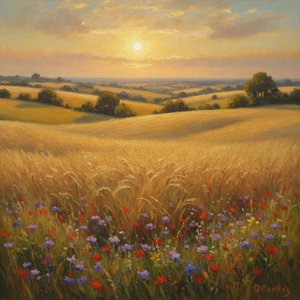
Golden Fields & Sun-Drenched Meadows: Capturing the Soul of Impressionist Landscapes
Immerse yourself in the luminous world of Impressionist landscapes. Discover how masters like Monet and Gauguin captured ephemeral light through plein air painting, and learn to bring the soul of sun-drenched meadows into your home with exquisite, hand-painted oil reproductions.

Beyond the Light: Capturing Raw Emotion and Subjective Vision in Post-Impressionist Landscapes
Explore the profound emotional depth of Post-Impressionist landscapes. Discover how masters like Van Gogh moved beyond light to capture raw human feeling through vibrant color and expressive texture in this expert art history retrospective.

Whispers of Rural Serenity: A Journey Through the Enchanting Village Landscapes of Impressionism
Immerse yourself in the tranquil beauty of Impressionist village landscapes. Explore our exquisite collection of hand-painted oil reproductions, capturing the light and soul of masters like Monet and Pissarro. Bring a piece of art history into your home with TopImpressionists.com.