設置イメージを確認
 送る
送る シェア
シェア
 詳細情報
詳細情報 ガイドを表示

 画像をダウンロード
 似ている作品
 X線調査
X線調査 スライドショー
 統計情報
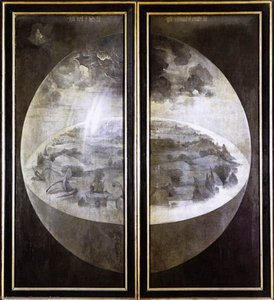
統計情報Last Judgement Triptych
 キャンバスにアクリル絵具
- ウォールアート
- Early Netherlandish Painting
 1504
1504 163.0 x 128.0 cm
 Academy of Fine Arts Vienna
 続きを読む
続きを読む
手描き油彩複製画
当社のアーティストが、お客様のご希望のサイズと額縁に合わせて、キャンバスに手描きで制作する油彩画です。 ( プリント版に切り替え デジタル画像販売へ切り替え)




P118B ¥10

P118H ¥10

P118W ¥10

P438Z ¥10

P508JH ¥12

P508YH ¥12

P805H ¥10

P805Z ¥10

P919BZ ¥10

P919G ¥10

P919XJ ¥10

P959ZH ¥10

P968JZ ¥12

W106C ¥8

W218G ¥10

W218JH ¥8

W218Y ¥10

W307PJ ¥10

W316G ¥10

W316PJ ¥8

W316Y ¥10

W398PJ ¥8

W4111J ¥10

W500HY ¥15

W500JH ¥15

W692G ¥12

W849H ¥8

W940BG ¥15

W953PJ ¥8




標準サイズ
カスタムサイズ
CM
INCH
作品のオリジナル比率に合わせた、当店の規定サイズからお選びください。
Loading sizes...

横幅
高さ
フレームや壁のスペースに合わせて、ご希望の幅と高さを入力してください。本作品は手描きのため、異なる比率のサイズをご希望の場合、絵画の周囲を少し広げて描くか、あるいは端を少しカットして調整することが可能です。お客様のご要望に合わせます。制作を開始する前に、仕上がりを確認するためのデジタルモックアップをお送りいたします。このページに表示されている画像は完成品の実物ではなく、あくまでモックアップによるイメージです。
カスタマイズの例:顔をお客様の写真に置き換える、ペットを追加する(例:猫を犬に変更)、背景に隠れたメッセージを入れる、背景の風景や要素を変更するなど。
ご注文後、TopImpressionists.com チームより詳細な指示をお送りするとともに、仕上がりイメージ(モックアップ)をご提供いたします。
ご注文後、TopImpressionists.com チームより詳細な指示をお送りするとともに、仕上がりイメージ(モックアップ)をご提供いたします。


 ガラスオプションは、110cm未満のサイズでのみご利用いただけます。

Last Judgement Triptych
再現技法
複製画サイズ一覧
-


合計金額
¥ 42336
A Symphony of Suffering and Divine Justice
Hieronymus Bosch’s “Last Judgement Triptych,” completed around 1504, stands as one of the most unsettling and profoundly symbolic masterpieces of the Early Netherlandish Renaissance. More than just a depiction of biblical prophecy, it's an immersive experience into a realm of grotesque imagination—a visual distillation of Bosch’s preoccupation with mortality, sin, and God’s inescapable judgment.
The Anatomy of Hell
Painted on oak panels in oil tempera and gold leaf, the triptych assaults the senses with its sheer scale and disturbing imagery. Bosch abandons traditional religious iconography for a visceral portrayal of hell—a landscape populated by monstrous creatures, tormented souls, and grotesque distortions of human form. The central panel dominates the composition, presenting an infernal panorama teeming with demons, tortured figures, and symbolic representations of damnation.
Genesis Revisited: A Tale of Temptation and Expulsion
The left wing recounts the biblical narrative of Adam and Eve’s fall from grace. Bosch meticulously recreates the Garden of Eden, populated by exquisitely rendered angels battling for dominion over souls. The depiction of Eve succumbing to Lucifer's temptation is fraught with psychological tension—a moment of profound moral transgression captured in breathtaking detail. Above all, Bosch portrays God extracting Eve from Adam’s rib, symbolizing the divine creation and the subsequent corruption of humanity.
The Triumph of Faith Amidst Chaos
Moving to the right wing, Bosch presents a vision of Heaven—a serene tableau dominated by angelic figures and saints. The upper archway showcases Jesus Christ enthroned in majesty, surrounded by Mary and John the Baptist, embodying divine compassion and righteousness. Below this celestial scene is Noah carrying the ark over his head, symbolizing salvation from impending catastrophe. The panel’s meticulous execution underscores Bosch's belief in the ultimate triumph of faith over darkness.
Symbolism Unleashed: Decoding Bosch’s Vision
Beyond its visual spectacle, “Last Judgement” is laden with symbolism—a language of grotesque imagery designed to provoke contemplation and instill fear. Bosch employs recurring motifs—such as serpents, skulls, and tormented faces—to convey the pervasive influence of sin and death. The artist’s masterful use of color—particularly the vibrant reds and yellows of hell contrasted against the muted tones of heaven—amplifies the emotional impact of the scene.
A Legacy of Horror
“Last Judgement” cemented Bosch's reputation as a visionary artist who dared to confront the darkest aspects of human experience. Its influence extended far beyond its time, inspiring artists and writers for centuries to come—a testament to Bosch’s enduring power to unsettle and inspire.
よくあるご質問
「Last Judgement Triptych」全体の明るさはどの程度ですか?
全体として、「Last Judgement Triptych」の明るさはshadowと記録されています。知覚的な明るさとは、作品がどの程度明るく、あるいは暗く感じられるかを表すものです。
ヨルハナムス・ボッシュ作「Last Judgement Triptych」は、どの芸術運動に属していますか?
「Last Judgement Triptych」は、Early Netherlandish Paintingの作品です。この様式は、その作品が属する芸術的伝統を示しています。
ヨルハナムス・ボッシュ作「Last Judgement Triptych」は、絵画、デッサン、それとも版画のいずれでしょうか?
ヨルハナムス・ボッシュ作「Last Judgement Triptych」はウォールアートに分類されます。このカテゴリーは、原画の作品形式を表しています。
アーティストについて
Hieronymus Bosch (c. 1450-1516): ドイツのルネサンス神秘主義者の驚くべき芸術家
Hieronymus Boschは、約1450年にオランダのデン・ボッシュで生まれました。当時の Brabant地域は、後期の中世宗教熱情とフォロクルの中心であり、彼の芸術的な視界を深く形成しました。彼の家族は絵画の伝統を持っており、父親と祖父の両方が画家でした。彼は家族の工房で幼少期に美術訓練を受け、伝統的なオランダ絵画の技術と注意深い詳細を吸収しました。しかし、彼はすぐにこれらの規範を超え、驚くべき想像力を表現するキャリアを築きました。彼の生애に関する情報は非常に乏しく、記録は断片化されており、彼の人間と作品の両方に対する神秘的な雰囲気を増しています。彼は約1481年にAleyt Goyaerts van den Meerveenと結婚し、彼女の家族が所有する財産によって経済的な安定を得ましたが、他のことはほとんど知られていませんでした。彼の個人的な生活は謎に包まれています。驚くべき芸術的スタイルと幻想的なイメージ
Boschの芸術的なスタイルはすぐに認識可能でした。彼は油絵をオークパネルに塗ることで有名な技術を持っています。彼は初期の作品で伝統的なオランダ絵画の影響を受けましたが、すぐにそれを模倣するのではなく、独自の視界を開発しました。彼の絵画は単なる現実の描写ではありません。それは幻想的な生き物や奇妙な生物や不安なシーンが満たされた象徴的な風景であり、人間の精神と社会に対する深い疑問を探求しています。彼は特に悪意、誘惑、そして神の裁定への脆弱性を強調する宗教的なテーマに取り組んでいます。彼の生き物は悪魔のような恐ろしい生き物、幻想的な動物、そして奇妙に人間的な人物で、それは聖なるものと profane なものが融合した独特の不安感を生み出しています。彼はこれらの要素を組み合わせることで、他の芸術家よりも驚くべき視界を持つアーティストとなり、彼の芸術は時代を超えて人々を魅了し続けています。彼は特に悪魔のような恐ろしい生き物、幻想的な動物、そして奇妙に人間的な人物で、それは聖なるものと profane なものが融合した独特の不安感を生み出しています。彼の創造性は驚くべきものであり、他の芸術家よりも驚くべき視界を持つアーティストとなり、彼の芸術は時代を超えて人々を魅了し続けています。彼は特に悪魔のような恐ろしい生き物、幻想的な動物、そして奇妙に人間的な人物で、それは聖なるものと profane なものが融合した独特の不安感を生み出しています。彼の創造性は驚くべきものであり、他の芸術家よりも驚くべき視界を持つアーティストとなり、彼の芸術は時代を超えて人々を魅了し続けています。彼は特に悪魔のような恐ろしい生き物、幻想的な動物、そして奇妙に人間的な人物で、それは聖なるものと profane なものが融合した独特の不安感を生み出しています。彼の創造性は驚くべきものであり、他の芸術家よりも驚くべき視界を持つアーティストとなり、彼の芸術は時代を超えて人々を魅了し続けています。彼は特に悪魔のような恐ろしい生き物、幻想的な動物、そして奇妙に人間的な人物で、それは聖なるものと profane なものが融合した独特の不安感を生み出しています。彼の創造性は驚くべきものであり、他の芸術家よりも驚くべき視界を持つアーティストとなり、彼の芸術は時代を超えて人々を魅了し続けています。彼は特に悪魔のような恐ろしい生き物、幻想的な動物、そして奇妙に人間的な人物で、それは聖なるものと profane なものが融合した独特の不安感を生み出しています。彼の創造性は驚くべきものであり、他の芸術家よりも驚くべき視界を持つアーティストとなり、彼の芸術は時代を超えて人々を魅了し続けています。彼は特に悪魔のような恐ろしい生き物、幻想的な動物、そして奇妙に人間的な人物で、それは聖なるものと profane なものが融合した独特の不安感を生み出しています。彼の創造性は驚くべきものであり、他の芸術家よりも驚くべき視界を持つアーティストとなり、彼の芸術は時代を超えて人々を魅了し続けています。彼は特に悪魔のような恐ろしい生き物、幻想的な動物、そして奇妙に人間的な人物で、それは聖なるものと profane なものが融合した独特の不安感を生み出しています。彼の創造性は驚くべきものであり、他の芸術家よりも驚くべき視界を持つアーティストとなり、彼の芸術は時代を超えて人々を魅了し続けています。彼は特に悪魔のような恐ろしい生き物、幻想的な動物、そして奇妙に人間的な人物で、それは聖なるものと profane なものが融合した独特の不安感を生み出しています。彼の創造性は驚くべきものであり、他の芸術家よりも驚くべき視界を持つアーティストとなり、彼の芸術は時代を超えて人々を魅了し続けています。彼は特に悪魔のような恐ろしい生き物、幻想的な動物、そして奇妙に人間的な人物で、それは聖なるものと profane なものが融合した独特の不安感を生み出しています。彼の創造性は驚くべきものであり、他の芸術家よりも驚くべき視界を持つアーティストとなり、彼の芸術は時代を超えて人々を魅了し続けています。彼は特に悪魔のような恐ろしい生き物、幻想的な動物、そして奇妙に人間的な人物で、それは聖なるものと profane なものが融合した独特の不安感を生み出しています。彼の創造性は驚くべきものであり、他の芸術家よりも驚くべき視界を持つアーティストとなり、彼の芸術は時代を超えて人々を魅了し続けています。彼は特に悪魔のような恐ろしい生き物、幻想的な動物、そして奇妙に人間的な人物で、それは聖なるものと profane なものが融合した独特の不安感を生み出しています。彼の創造性は驚くべきものであり、他の芸術家よりも驚くべき視界を持つアーティストとなり、彼の芸術は時代を超えて人々を魅了し続けています。彼は特に悪魔のような恐ろしい生き物、幻想的な動物、そして奇妙に人間的な人物で、それは聖なるものと profane なものが融合した独特の不安感を生み出しています。彼の創造性は驚くべきものであり、他の芸術家よりも驚くべき視界を持つアーティストとなり、彼の芸術は時代を超えて人々を魅了し続けています。彼は特に悪魔のような恐ろしい生き物、幻想的な動物、そして奇妙に人間的な人物で、それは聖なるものと profane なものが融合した独特の不安感を生み出しています。彼の創造性は驚くべきものであり、他の芸術家よりも驚くべき視界を持つアーティストとなり、彼の芸術は時代を超えて人々を魅了し続けています。彼は特に悪魔のような恐ろしい生き物、幻想的な動物、そして奇妙に人間的な人物で、それは聖なるものと profane なものが融合した独特の不安感を生み出しています。彼の創造性は驚くべきものであり、他の芸術家よりも驚くべき視界を持つアーティストとなり、彼の芸術は時代を超えて人々を魅了し続けています。彼は特に悪魔のような恐ろしい生き物、幻想的な動物、そして奇妙に人間的な人物で、それは聖なるものと profane なものが融合した独特の不安感を生み出しています。彼の創造性は驚くべきものであり、他の芸術家よりも驚くべき視界を持つアーティストとなり、彼の芸術は時代を超えて人々を魅了し続けています。彼は特に悪魔のような恐ろしい生き物、幻想的な動物、そして奇妙に人間的な人物で、それは聖なるものと profane なものが融合した独特の不安感を生み出しています。彼の創造性は驚くべきものであり、他の芸術家よりも驚くべき視界を持つアーティストとなり、彼の芸術は時代を超えて人々を魅了し続けています。彼は特に悪魔のような恐ろしい生き物、幻想的な動物、そして奇妙に人間的な人物で、それは聖なるものと profane なものが融合した独特の不安感を生み出しています。彼の創造性は驚くべきものであり、他の芸術家よりも驚くべき視界を持つアーティストとなり、彼の芸術は時代を超えて人々を魅了し続けています。彼は特に悪魔のような恐ろしい生き物、幻想的な動物、そして奇妙に人間的な人物で、それは聖なるものと profane なものが融合した独特の不安感を生み出しています。彼の創造性は驚くべきものであり、他の芸術家よりも驚くべき視界を持つアーティストとなり、彼の芸術は時代を超えて人々を魅了し続けています。彼は特に悪魔のような恐ろしい生き物、幻想的な動物、そして奇妙に人間的な人物で、それは聖なるものと profane なものが融合した独特の不安感を生み出しています。彼の創造性は驚くべきものであり、他の芸術家よりも驚くべき視界を持つアーティストとなり、彼の芸術は時代を超えて人々を魅了し続けています。彼は特に悪魔のような恐ろしい生き物、幻想的な動物、そして奇妙に人間的な人物で、それは聖なる
ヨルハナムス・ボッシュ
1450 - 1516 , オランダ
アーティスト情報
- Artistic Movement Or Style: シュルレアリスム、シンボリズム
- Artists Or Movements Influenced By This Artist: ['ピエーター・ブーデルガー・ザ・イルダー']
- Date Of Death: 1516年
- Full Name: Hieronymus Bosch
- Nationality: オランダ人
- Notable Artworks: ['楽園の庭」「最後の審判トリプティーク」「聖母昇天」「洗禮記念']
- Place Of Birth: ボッヘルンボスク、オランダ
関連記事

Divine Light & Golden Splendor: A Journey Through the Sacred Grandeur of High Medieval Art
Embark on a soulful journey through High Medieval art. Explore the divine light of Gothic cathedrals, Byzantine splendor, and sacred masterpieces that shaped Western history with our expert-led cultural reflections.

The Soul of Impressionism: Why Oil on Canvas Captures Eternal Light and Timeless Emotion
Discover the enchanting alchemy of Impressionism. Explore how the mastery of oil on canvas, through glazing and impasto, captures eternal light and emotion. Perfect for lovers of Monet and Van Gogh seeking the profound depth of hand-painted fine art.
テーマ、スタイル、特徴別に分類された作品を探索しましょう。