

 設置イメージを確認
 送る
送る シェア
シェア
 詳細情報
詳細情報 ガイドを表示

 画像をダウンロード
 似ている作品
 X線調査
X線調査 スライドショー
 Q&A
Q&A 統計情報
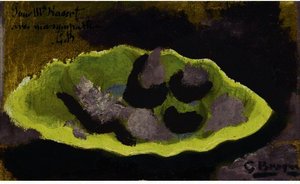
統計情報Hubert Schmalix - I’m having a Bad Time


A bleak watercolor by Hubert Schmalix depicting a desolate winter landscape. Explore this unfinished sketch’s realism & impressionistic brushwork – a poignant study in isolation.
Discover Hubert Schmalix's vibrant, expressive paintings! Part of the junge wilde movement, his work explores themes of identity & Berlin art scene. See his impactful art now.
 続きを読む
続きを読む
このページに掲載されている作品は著作権法によって保護されており、当社の許可なく同一の複製物を制作または販売することは法律で禁じられています。この保護は、以下のような国際条約に基づき執行されます。 ベルヌ条約 および、以下の条項に定められたものを含む各国の法律により、 米国著作権法 第17編。
この手法は、著作権で保護された作品の複製や複写を伴わないため、著作権法に完全に準拠しています。これは単なる模倣ではなく、創造的な再解釈です。元の作品からインスピレーションを受けつつも、それとは異なる、全く新しい絵画を生み出すものです。
ジークレー/アートプリント
スピーディーな制作と多彩な仕上げオプションが魅力の、ミュージアムクオリティなジークレー・キャンバスプリント。 ( 手描きの複製画を注文する デジタル画像販売へ切り替え)




































標準サイズ
カスタムサイズ
CM
INCH
作品のオリジナル比率に合わせた、当店の規定サイズからお選びください。
Loading sizes...

横幅
高さ
額縁や壁のスペースに合わせて、ご希望の幅と高さを入力してください。プリントはカットすることは可能ですが、元の画像より大きくすることはできないため、異なる比率のサイズを選択された場合は、画像の一部が欠けることになります。印刷を開始する前に、内容を確認していただくためのデジタルモックアップをお送りいたします。このページに表示されている画像は、実際のカット後の状態を示すものではありません。実際の仕上がりはモックアップにてご確認ください。


 ガラスオプションは、110cm未満のサイズでのみご利用いただけます。

Hubert Schmalix - I’m having a Bad Time
ジークレー/アートプリント
複製画サイズ一覧
-


合計金額
¥ 10890
関連作品


アーティストについて
The Vibrant Legacy of Hubert Schmalix
Hubert Schmalix emerged as a pivotal figure in the landscape of Austrian art, serving as one of the most influential voices during the electric era of the junge wilde movement. Born in Graz on December 17, 1952, his artistic journey was forged amidst the burgeoning countercultural fervor of the late 1970s. This period was defined by a spirited reaction against the prevailing intellectual detachment of minimalist and conceptual art, seeking instead to reclaim the raw power of the brushstroke. Schmalix’s formative years were deeply rooted in the traditions of Austrian Expressionism, drawing profound inspiration from masters such as Ernst Fuchs and Viktor Mischiek. These early influences instilled in him a lifelong conviction that painting should serve as a visceral instrument for conveying human emotion and lived experience.
The trajectory of Schmalalix’s career was marked by a relentless pursuit of color and gesture. In 1978, he became a central participant in the junge wilde collective, standing alongside contemporaries like Siegfried Anzinger and Herbert Brandl. This movement sought to revitalize the medium through bold, rapid brushwork and a renewed focus on the immediacy of perception. His stylistic development was further refined by his studies at the Academy of Fine Arts Vienna under Maximilian Melcher, and later shaped by the academic rigor of Karl Horst Hödicke. Schmalix’s unique ability to fuse realism with impressionistic techniques allowed him to capture the essence of his subjects—whether they were the luminous, sweeping vistas of the Austrian Alps or intimate figurative studies exploring the complexities of psychological introspection.
A Global Journey and Academic Influence
While his roots remained firmly planted in the European tradition, Schmalix’s artistic horizons expanded far beyond the borders of Austria. His travels to Australia and the Philippines in the early 1980s brought new perspectives to his work, enriching his palette and thematic depth. A significant turning point occurred in 1987 when he relocated to Los Angeles, a move that would redefine his professional life and introduce his expressive style to a much broader, international audience. This transition from the historic art centers of Europe to the sprawling energy of Southern California allowed his work to resonate with a new sense of light and scale.
Beyond the canvas, Schmalix left an indelible mark on the next generation of artists through his dedication to pedagogy. From 1997 to 2006, he shared his profound technical knowledge and philosophical approach to painting while teaching at both the Academy of Fine Arts Vienna and the University of California, Los Angeles (UCLA). His career was punctuated by prestigious recognitions that honored both his creative output and his contributions to the cultural fabric of his homeland, including:
- City of Vienna Prize for Fine Arts (1998)
- Medal of Honor of the State of Styria for Science, Research and Art (2024)
As we reflect on the life of Hubert Schmalix, who passed away in Los Angeles on March 23, 2025, we see an artist who never wavered from his commitment to the palpable energy of paint. His oeuvre remains a testament to the power of color to evoke memory and emotion, ensuring his place as a cornerstone of contemporary expressionism.

Hubert Schmalix
1952 - , Austria
アーティスト情報
- Full Name: Hubert Schmalix
- Nationality: Austrian
- Date Of Birth: 1952
- Date Of Death: March 23, 2025
- Place Of Birth: Vienna, Austria
- Notable Artworks: ['I’m having a Bad Time']
- Artistic Movement Or Style: Junge Wilde Movement
- Artists Who Influenced This Artist: Karl Horst Hödicke
- Artists Or Movements Influenced By This Artist: Young Wild Ones
関連記事

Capturing the Soul: The Most Emotionally Moving Impressionist and Post-Impressionist Masterpieces
Discover the profound emotional depth of Impressionist and Post-Impressionist masterpieces. Explore how legends like Monet, Van Gogh, and Gauguin captured light and soul through evocative landscapes and vibrant brushwork for a timeless connection to art history.
Golden Fields & Sun-Drenched Meadows: Capturing the Soul of Impressionist Landscapes
Immerse yourself in the luminous world of Impressionist landscapes. Discover how masters like Monet and Gauguin captured ephemeral light through plein air painting, and learn to bring the soul of sun-drenched meadows into your home with exquisite, hand-painted oil reproductions.

Beyond the Light: Capturing Raw Emotion and Subjective Vision in Post-Impressionist Landscapes
Explore the profound emotional depth of Post-Impressionist landscapes. Discover how masters like Van Gogh moved beyond light to capture raw human feeling through vibrant color and expressive texture in this expert art history retrospective.

The Beauty of Impermanence: Capturing Decay through Impressionist Eyes
Explore the profound beauty of impermanence through Impressionist and Post-Impressionist eyes. Discover how masters like Monet and Van Gogh captured fleeting light and the poetic essence of nature's transitions in our deep dive into art history and emotional landscapes.

Capturing Light: The Ethereal Beauty and Timeless Legacy of Watercolor Landscapes
Embark on a visual journey through the ethereal beauty of watercolor landscapes. Discover how Impressionist masters captured light and emotion, and learn to bring this timeless, luminous elegance into your home with expert art curation and hand-painted reproductions.