


 設置イメージを確認
 送る
送る シェア
シェア
 詳細情報
詳細情報 ガイドを表示

 画像をダウンロード
 似ている作品
 X線調査
X線調査 スライドショー
 統計情報
統計情報Haymaking


Discover 'Haymaking' by iosif krachkovsky! A stunning 1898 Russian landscape painting of rural life. Explore vibrant colors & evocative countryside scenes.
Explore the evocative landscapes of iosif krachkovsky! This Russian artist masterfully captures Crimea & Ukraine scenes, known for idyllic rural life & vibrant color palettes.
 続きを読む
続きを読む
このページに掲載されている作品は著作権法によって保護されており、当社の許可なく同一の複製物を制作または販売することは法律で禁じられています。この保護は、以下のような国際条約に基づき執行されます。 ベルヌ条約 および、以下の条項に定められたものを含む各国の法律により、 米国著作権法 第17編。
敬意を払った法的な代替手段として、私たちはオリジナルにインスピレーションを与えられた、カスタムの手描きアートワークを提供しています。私たちの熟練したプロのアーティストは、元の作品が持つスタイル、情緒、そして芸術的なエッセンスを注意深く研究し、独自の創作物でありながら、同じ感性を呼び起こすような、新しくユニークな作品を作り上げます。
この手法は、著作権で保護された作品の複製や複写を伴わないため、著作権法に完全に準拠しています。これは単なる模倣ではなく、創造的な再解釈です。元の作品からインスピレーションを受けつつも、それとは異なる、全く新しい絵画を生み出すものです。
手描き油彩複製画
当社のアーティストが、お客様のご希望のサイズと額縁に合わせて、キャンバスに手描きで制作する油彩画です。 ( プリント版に切り替え デジタル画像販売へ切り替え)




P118B ¥10

P118H ¥10

P118W ¥10

P438Z ¥10

P508JH ¥12

P508YH ¥12

P805H ¥10

P805Z ¥10

P919BZ ¥10

P919G ¥10

P919XJ ¥10

P959ZH ¥10

P968JZ ¥12

W106C ¥8

W218G ¥10

W218JH ¥8

W218Y ¥10

W307PJ ¥10

W316G ¥10

W316PJ ¥8

W316Y ¥10

W398PJ ¥8

W4111J ¥10

W500HY ¥15

W500JH ¥15

W692G ¥12

W849H ¥8

W940BG ¥15

W953PJ ¥8




標準サイズ
カスタムサイズ
CM
INCH
作品のオリジナル比率に合わせた、当店の規定サイズからお選びください。
Loading sizes...

横幅
高さ
フレームや壁のスペースに合わせて、ご希望の幅と高さを入力してください。本作品は手描きのため、異なる比率のサイズをご希望の場合、絵画の周囲を少し広げて描くか、あるいは端を少しカットして調整することが可能です。お客様のご要望に合わせます。制作を開始する前に、仕上がりを確認するためのデジタルモックアップをお送りいたします。このページに表示されている画像は完成品の実物ではなく、あくまでモックアップによるイメージです。
カスタマイズの例:顔をお客様の写真に置き換える、ペットを追加する(例:猫を犬に変更)、背景に隠れたメッセージを入れる、背景の風景や要素を変更するなど。
ご注文後、TopImpressionists.com チームより詳細な指示をお送りするとともに、仕上がりイメージ(モックアップ)をご提供いたします。
ご注文後、TopImpressionists.com チームより詳細な指示をお送りするとともに、仕上がりイメージ(モックアップ)をご提供いたします。


 ガラスオプションは、110cm未満のサイズでのみご利用いただけます。

Haymaking
再現技法
複製画サイズ一覧
-


合計金額
¥ 42687
関連作品


アーティストについて
A Life Immersed in Light: The World of Iosif Evstafevich Krachkovsky
Iosif Evstafevich Krachkovsky, born in Warsaw in 1854 and passing away in Italy in 1914, was a Russian landscape painter whose work beautifully captured the idyllic beauty of Crimea and Ukraine. Though not as widely celebrated internationally as some of his contemporaries, Krachkovsky’s paintings offer a poignant glimpse into a vanishing rural world, imbued with a delicate sensibility and masterful use of color. His life story, while relatively understated, reflects a dedication to artistic training and a deep connection to the landscapes that would become his signature subject matter.
Krachkovsky's formal art education began in 1871 when he entered the prestigious Academy of Arts as a volunteer student. This early immersion into academic traditions provided him with a solid foundation in technique, but it was his subsequent studies within the landscape class under Baron M.P. Klodt that truly shaped his artistic direction. He quickly demonstrated talent, earning a silver medal in 1874 for his landscape sketches – an encouraging sign of promise. In 1878, he received a small gold medal for “Morning,” signaling a growing recognition of his abilities. His graduation from the Academy in 1879 with the title of artist of the first degree afforded him the invaluable opportunity to travel extensively throughout Europe, specifically France, Germany, Italy, Spain and Switzerland between 1880 and 1884.
The Crimean Resonance: A Defining Palette
It was upon his return from these travels that Krachkovsky’s artistic voice truly began to solidify. He became particularly drawn to the landscapes of Crimea and Ukraine, regions that would dominate his oeuvre for the remainder of his career. His paintings are not merely depictions of scenery; they are evocations of atmosphere, light, and a sense of peaceful existence. The Crimean peninsula, with its rolling hills, sun-drenched vineyards, and charming villages, provided an endless source of inspiration. He wasn’t interested in grand, dramatic vistas but rather the intimate details of rural life – haymaking scenes bathed in golden sunlight, quiet evenings unfolding over Ukrainian fields, and glimpses into the daily routines of peasant communities.
His technique is characterized by a delicate brushstroke and a vibrant color palette. He skillfully captured the nuances of light filtering through foliage, the warmth of the earth, and the subtle shifts in atmospheric perspective. While rooted in realism, his work often possesses an impressionistic quality, particularly in his handling of light and shadow. He wasn’t striving for photographic accuracy but rather to convey the *feeling* of a place – the gentle breeze, the scent of wildflowers, the warmth of the sun on one's skin.
Themes of Rural Life and Artistic Influences
The recurring themes in Krachkovsky’s paintings speak to a deep appreciation for the simplicity and beauty of rural life. He often depicted scenes of agricultural labor – farmers tending their fields, women gathering fruit, families enjoying moments of respite amidst nature. These are not idealized portrayals; they offer a realistic yet sympathetic view of peasant existence. His work can be seen as part of a broader artistic movement in 19th-century Russia that celebrated the beauty of the countryside and the lives of ordinary people.
While Krachkovsky developed a distinct style, it’s possible to identify influences from earlier landscape painters such as the Barbizon school. The emphasis on direct observation of nature and the use of atmospheric effects are hallmarks of this movement, which undoubtedly impacted his artistic development. However, he infused these techniques with a uniquely Russian sensibility, capturing the specific light and character of Crimea and Ukraine.
Legacy and Historical Significance
Although Krachkovsky may not be a household name, his work holds significant historical value as a document of 19th-century rural life in Russia. His paintings provide a valuable glimpse into a way of life that was rapidly changing during this period. They offer a poignant reminder of the beauty and tranquility of the countryside before the upheavals of the 20th century.
Today, his works are held in various museums and private collections, offering art enthusiasts a chance to experience the evocative landscapes he so lovingly captured. His paintings continue to resonate with viewers who appreciate his delicate technique, vibrant color palette, and heartfelt portrayal of a vanishing world. He stands as a testament to the power of art to preserve memory, evoke emotion, and celebrate the beauty of the everyday.

アーティスト情報
- Artistic Movement Or Style: Romanticism
- Artists Or Movements Influenced By This Artist: ['Friedrich']
- Artists Who Influenced This Artist: ['Baron M.P. Klodt']
- Date Of Death: 1914
- Full Name: Iosif Evstafevich Krachkovsky
- Nationality: Russian
- Notable Artworks:
- Haymaking
- Landscape in Crimea
- Place Of Birth: Moscow, Russia
関連記事

The Beauty of Impermanence: Capturing Decay through Impressionist Eyes
Explore the profound beauty of impermanence through Impressionist and Post-Impressionist eyes. Discover how masters like Monet and Van Gogh captured fleeting light and the poetic essence of nature's transitions in our deep dive into art history and emotional landscapes.
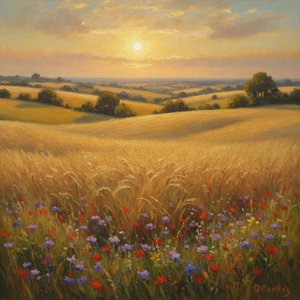
Golden Fields & Sun-Drenched Meadows: Capturing the Soul of Impressionist Landscapes
Immerse yourself in the luminous world of Impressionist landscapes. Discover how masters like Monet and Gauguin captured ephemeral light through plein air painting, and learn to bring the soul of sun-drenched meadows into your home with exquisite, hand-painted oil reproductions.

Beyond the Light: Capturing Raw Emotion and Subjective Vision in Post-Impressionist Landscapes
Explore the profound emotional depth of Post-Impressionist landscapes. Discover how masters like Van Gogh moved beyond light to capture raw human feeling through vibrant color and expressive texture in this expert art history retrospective.

The Timeless Charm of Oil on Board: Reimagining Texture and Light through the Impressionist Lens
Discover the profound intimacy of oil on panel. Explore how Impressionist masters used rigid supports to capture light, texture, and impasto depth through exquisite, handmade oil reproductions for discerning collectors.

Capturing the Soul: The Most Emotionally Moving Impressionist and Post-Impressionist Masterpieces
Discover the profound emotional depth of Impressionist and Post-Impressionist masterpieces. Explore how legends like Monet, Van Gogh, and Gauguin captured light and soul through evocative landscapes and vibrant brushwork for a timeless connection to art history.