


 設置イメージを確認
 送る
送る シェア
シェア
 詳細情報
詳細情報 ガイドを表示

 画像をダウンロード
 似ている作品
 X線調査
X線調査 スライドショー
 統計情報
統計情報Italy

 続きを読む
続きを読む
ウェブ上のプレビューを遥かに凌駕する、印刷に最適なファイルをご提供します。当サイトで販売しているすべてのデジタル画像は、弊社のデータベース内にある高解像度のマスターデータ(通常、幅5,000〜15,000ピクセル)から作成されています。そのため、大判印刷やタイトなクロップ、細部まで緻密な再現も、安心してお楽しみいただけます。
当スタジオから送り出される画像は、すべて丁寧に加工されています。デジタルエキスパートが原画と照らし合わせて色調を精査し、必要に応じて補正を行った上で、プロ仕様のリタッチツールを用いて鮮明さと細部を向上させます。その際、アーティストの筆致やスタイルに忠実であることを常に追求しています。その結果、単なるスキャン画像にフィルターをかけたようなものではなく、まるで本物の絵画を見ているかのような仕上がりを実現しています。
仕上がりをご確認いただいてから完了となります。専門スタッフが、ご確認用の画像を72時間以内にメールでお送りいたします。もしご満足いただけない場合は、修正や改善のご要望を承るほか、品質が基準に満たない場合には返金も可能です。
出版社、デザインスタジオ、ギャラリー、そして印刷所から信頼される品質です。
デジタル画像
個人での鑑賞、印刷、クリエイティブなプロジェクトにご利用いただける高解像度ファイルをダウンロードできます。 ( プリント版に切り替え 手描きの複製画を注文する)
デジタル画像のご注文に付随する特典
プロフェッショナルなデジタル配信を、確かな品質で。
TopImpressionists.com を選ぶことは、単に画像を手に入れることではありません。プロの手によって精密に仕上げられ、満足保証が付いた高品質なデジタルアートワークを受け取ることを意味します。ご注文いただいた際に自動的に付随する内容は、以下の通りです:

メールですぐにお届け
ご注文から72時間以内に、高解像度のデジタル画像ファイルをメールでお送りいたします。お手元に届き次第、すぐにご利用いただけます。

AI技術で最適化されたデジタルファイル
お客様の作品は、高度なAI技術と専門家による手作業を組み合わせてプロフェッショナルに最適化されており、細部のディテール、鮮明さ、そして正確な色再現性を最大限に引き出しています。

一生涯無料の再送サービス
ファイルを誤って削除したり、紛失してしまったりしましたか?ご安心ください。いつでも無料で再送いたします。

輸入手数料は、いつでも一切かかりません
関税や手数料、配送料を気にすることなく、お気に入りのアートワークをすぐにお楽しみいただけます。デジタルダウンロードは常に免税です。

正確な色彩の保証
プロ仕様のツールとカラーマネジメント技術を用いることで、デジタル画像が元の色を最大限に忠実に再現することを保証いたします。

100日間満足保証
ご購入いただいたデジタル画像にご満足いただけない場合は、100日以内であれば、理由を問わず修正または100%の返金対応をさせていただきます。

100% 返金保証
ご満足いただけない場合は、デジタルファイルを受け取ってから100日以内であれば、理由を問わず全額返金いたします。

まとめ買い割引
3枚購入で10%OFF、5枚購入で15%OFF、10枚以上のご購入で20%OFF。クリエイティブなプロジェクトやギャラリー、エージェンシーに最適です。
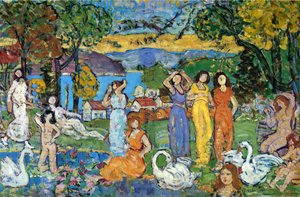
The painting Italy by Isaak Brodsky is a stunning representation of the Italian countryside, showcasing the artist's skill in capturing the essence of a bygone era. Created in 1911, this oil on canvas masterpiece is now housed in the Tretyakov Gallery in Russia.
Experience the beauty of Italy by Isaak Brodsky in your own home with a hand-made oil painting reproduction from TopImpressionists.com.
The Artist and His Work
Isaak Brodsky was a renowned Russian artist known for his realistic and detailed paintings. His work often featured everyday scenes, landscapes, and portraits, showcasing his ability to capture the beauty in mundane life. Italy is one of his most notable works, demonstrating his skill in depicting vibrant colors and textures. The painting showcases a bustling market scene, with a horse pulling a cart filled with fruit, including oranges and apples. The surrounding area is filled with people, some standing near the horse, while others are scattered throughout the market. The attention to detail in the painting is impressive, from the intricate fruit arrangements to the delicate pearl necklaces worn by some of the women.Recreating the Masterpiece
At TopImpressionists.com, we offer hand-made oil painting reproductions of Italy by Isaak Brodsky. Our talented artists use high-quality materials to recreate the original painting, ensuring that every detail is accurately captured. You can purchase a reproduction of this beautiful painting and enjoy it in the comfort of your own home. Some of the key features of our reproductions include:- High-quality materials: We use only the best materials to ensure that our reproductions are long-lasting and vibrant.
- Attention to detail: Our artists carefully study the original painting to ensure that every detail is accurately captured.
- Hand-made: Each reproduction is hand-painted by our talented artists, making every piece unique.
Experience the beauty of Italy by Isaak Brodsky in your own home with a hand-made oil painting reproduction from TopImpressionists.com.
よくあるご質問
「Italy」は何を描いた作品ですか?
Isaak Brodsky作「Italy」に描かれているテーマには、italyなどがあります。これらが合わさることで、本作の主題を構成しています。
Isaak Brodsky作「Italy」は、明るい印象の作品ですか、それとも暗い印象の作品ですか?
Isaak Brodsky作「Italy」 の記録された数値は、明度 bright、輝度 Gentle Luminance です。
Isaak Brodsky作「Italy」 の主要な色調は何ですか?
Isaak Brodsky作「Italy」の主要な色調はGreen to Violet Spectrumです。この色調は、パレットの基調となるトーンを形作っています。




アーティスト・プロフィール
A Life Shaped by Change
Isaak Izrailevich Brodsky entered the world in late 1883 in the village of Sofiyivka, located near Berdiansk in what is now Ukraine. His early years were rooted in a family of tradesmen, with his father working as a merchant and landowner. This upbringing provided him with a foundation that eventually led him toward the study of fine arts. He began his formal training at the Odessa Art School, where he learned under the guidance of instructors such as G. A. Ladyzhensky, K. K. Kostandi, and L. D. Iorini. These early years in Odessa were followed by a significant move to St. Petersburg in 1902.
In the imperial capital, Brodsky entered the Higher Art Institute of painting, sculpture, and architecture under the Imperial Academy of Arts. His time there was marked by intense study and competition. He spent five years working in the studio of Ilya Repin, a mentor who left a lasting impression on his approach to the canvas. Between 1909 and 1911, Brodsky traveled through Germany, France, Spain, and Italy, using academy funding to expand his view of the European landscape. During these travels, he spent time on the island of Capri, an experience that brought him into contact with other figures of the era.
The Development of a Style
Brodsky’s work underwent various shifts as the political and social landscape of Russia transformed. His early pieces often reflected the influences of the Silver Age and Art Nouveau. As he moved through the years following the 1917 revolution, his focus shifted toward the realities of the new Soviet era. He became a central figure in the formation of Socialist Realism, a style that demanded a clear and recognizable depiction of life. His paintings often captured the gravity of historical moments, such as the events of the Russian Civil War.
His technical skill was applied to a wide range of subjects, from landscapes to portraits of political leaders. Some of his notable works include:
- Fallen Leaves (1915), an oil on canvas piece that captures the atmosphere of autumn.
- The Execution of 26 Baku Commisaries, a painting noted for its stark realism and emotional weight.
- Portraits of prominent figures such as Vladimir Lenin and Joseph Stalin.
- Early Spring (1906), which shows an earlier, more impressionistic side of his landscape work.
By the 1930s, Brodsky was working frequently under government orders. His ability to document the era through precise portraiture and historical scenes made him a significant figure in the Soviet art establishment. In 1932, he earned the title of professor, and by 1934, he was appointed Director of the All-Russian Academy of Arts.
Legacy and Memory
Brodsky’s life ended in Leningrad in 1939. He left behind a substantial body of work and a collection of paintings that included pieces by masters like Repin, Surikov, and Levitan. His commitment to the arts was evident in his many contributions to museums; he donated hundreds of works to the Berdyansk Art Museum and helped establish various artistic societies.
Today, much of his personal history is preserved in the Brodsky House Museum in Saint Petersburg. This space maintains his former apartment, allowing visitors to see the environment where he lived and worked. His paintings remain part of major collections, including the State Tretyakov Gallery and the State Russian Museum, serving as historical records of a period defined by profound upheaval.

Isaak Brodsky
1883 - 1939
略歴
- Artistic Movement Or Style: Socialist Realism
- Artists Or Movements Influenced By This Artist:
- Nikolai Timkov
- Aleksandr Laktionov
- Yuri Neprintsev
- Artists Who Influenced This Artist: ['Ilya Repin']
- Full Name: Isaak Izrailevich Brodsky
- Nationality: Russian
- Notable Artworks:
- Fallen Leaves
- Early Spring
- The Fairy Tale
- The Execution of 26 Baku Commisaries
- Portrait of J.V. Stalin
- Place Of Birth: Sofiyivka, Ukraine
- Date Of Birth: 1883
- Date Of Death: 1939