


 設置イメージを確認
 送る
送る シェア
シェア
 詳細情報
詳細情報 ガイドを表示

 画像をダウンロード
 似ている作品
 X線調査
X線調査 スライドショー
 統計情報
統計情報エம்பランメント


 続きを読む
続きを読む
ジークレー/アートプリント
スピーディーな制作と多彩な仕上げオプションが魅力の、ミュージアムクオリティなジークレー・キャンバスプリント。 ( 手描きの複製画を注文する デジタル画像販売へ切り替え)




P118B ¥10

P118H ¥10

P118W ¥10

P438Z ¥10

P508JH ¥12

P508YH ¥12

P805H ¥10

P805Z ¥10

P919BZ ¥10

P919G ¥10

P919XJ ¥10

P959ZH ¥10

P968JZ ¥12

W106C ¥8

W218G ¥10

W218JH ¥8

W218Y ¥10

W307PJ ¥10

W316G ¥10

W316PJ ¥8

W316Y ¥10

W398PJ ¥8

W4111J ¥10

W500HY ¥15

W500JH ¥15

W692G ¥12

W849H ¥8

W940BG ¥15

W953PJ ¥8




標準サイズ
カスタムサイズ
CM
INCH
作品のオリジナル比率に合わせた、当店の規定サイズからお選びください。
Loading sizes...

横幅
高さ
額縁や壁のスペースに合わせて、ご希望の幅と高さを入力してください。プリントはカットすることは可能ですが、元の画像より大きくすることはできないため、異なる比率のサイズを選択された場合は、画像の一部が欠けることになります。印刷を開始する前に、内容を確認していただくためのデジタルモックアップをお送りいたします。このページに表示されている画像は、実際のカット後の状態を示すものではありません。実際の仕上がりはモックアップにてご確認ください。


 ガラスオプションは、110cm未満のサイズでのみご利用いただけます。

エம்பランメント
ジークレー/アートプリント
複製画サイズ一覧
-


合計金額
¥ 10911
Jakub Schikanederの「エம்பランクメント」について
この作品は、夕焼けまたは日の出を迎えるプラハ港を捉えた印象派絵画です。柔らかい輪郭線と拡散した光、そして灰色やベージュなどの落ち着いた色調が特徴で、全体的にどこか憂いを帯びた雰囲気を作り出しています。構図は水辺の風景を横方向に分割しており、前景には水、遠景には船、そして空には薄暗い雲母のような霞が広がっています。右側に立つ灯台は垂直的な要素として絵画に奥行きを与えています。この作品は静寂と孤独を感じさせる港や河岸を描いたものであり、日常の風景の中に特別な美しさを感じさせます。筆致は自由で溶け込むように描かれており、厳密な輪郭線ではなく印象派ならではの表現方法となっています。絵画全体は柔らかく夢のような質感を醸し出し、見る人に感動とインスピレーションを与えるでしょう。 この作品はチェコの画家ヤクブ・シャカネーダーによって制作され、特にプラハ港の夕焼け風景が印象的です。彼はヴィクトリア朝時代のロンドンにおける排水工事プロジェクトの一環として建設されたエンプランクメントをモチーフにしています。このエンプランクメントは、当時の都市計画において重要な役割を果たし、衛生状態の向上と移動手段の確保を目指したものでした。シャカネーダーは印象派の画家たちとともに、当時の芸術家たちの間で大きな影響を与え、彼らの作品にも共通する特徴が見られます。彼の絵画は単なる風景描写にとどまらず、光と空気の流れを捉えることで、見る人に特別な感情や感覚を呼び起こします。シャカネーダーの作品は、その繊細な色彩表現と独特の筆致によって、多くの人々から愛されています。 シャカネーダーの絵画技法は、薄い色のヴェールを重ねていくことで色とテクスチャを構築しています。この手法は印象派の画家たちに共通するものであり、特に光の表現において効果的です。彼は細心の注意を払いながら絵を描き、その結果として作品には独特の雰囲気と美しさが生まれます。シャカネーダーの絵画は、ヴィクトリア朝時代のロンドンの風景を捉えながらも、現代の人々にも感動を与えることができるでしょう。彼の作品は美術愛好家やコレクターだけでなく、インテリアデザイナーにとっても魅力的な選択肢となるはずです。この絵画は、その静謐な美しさと芸術性の高さから、特別な場所で飾られる価値があると言えるでしょう。 さらに、シャカネーダーの作品には象徴的な意味合いがあります。特に灯台は希望と導きを象徴しており、暗闇の中で光を見出すための力強いメッセージとして表現されています。この絵画は単なる風景描写ではなく、人間の精神や感情に訴えかける芸術作品であり、見る人に深い感動とインスピレーションを与えます。シャカネーダーの絵画は、その美しい色彩と繊細な筆致によって、多くの人々から愛され続けています。彼の作品は美術愛好家やコレクターだけでなく、インテリアデザイナーにとっても魅力的な選択肢となるはずです。この絵画は、その静謐な美しさと芸術性の高さから、特別な場所で飾られる価値があると言えるでしょう。よくあるご質問
Jakub Schikaneder作「エம்பランメント」のコントラストはどの程度ですか?
Jakub Schikaneder作「エம்பランメント」は、明部と暗部の間に穏やかなコントラストを描き出しています。
「エம்பランメント」の技法は何ですか?
Jakub Schikanederは、「エம்பランメント」においてキャンバスにアクリル絵具の技法を用いています。この技法が、原画の素材としての性質を決定づけています。
ご購入前に、Jakub Schikaneder作「エம்பランメント」 をご自身の壁に飾った様子を確認することはできますか?
「エம்பランメント」は、拡張現実(AR)でのプレビューが可能です。対応デバイスで作品のARプレビューページを表示すると、ご自身の空間に作品を配置してご確認いただけます。


アーティストについて
The Melancholy Soul of Prague
Jakub Schikaneder was a Czech painter and art professor whose work serves as a haunting window into the atmospheric depths of the late nineteenth century. Born in Prague, Bohemia, within the Austrian Empire, his life and artistry were deeply intertwined with the cultural fabric of his home city. As a student at the Academy of Fine Arts from the age of fifteen, he was shaped by the classical traditions of the era, yet his spirit sought something far more evocative than mere academic precision. Under the mentorship of Gabriel von Max, a professor of history painting in Munich, Schikaneder began to explore deeper spiritual themes and the profound social contradictions that defined Czech culture during his time.
His artistic journey was one of movement and discovery, spanning the great art capitals of Europe. From the vibrant, late-nineteenth-century Parisian art scene, where he gathered inspiration between 1878 and 1880, to travels through Germany, England, Scotland, the Netherlands, Switzerland, and Italy, Schikaneder absorbed a vast spectrum of influences. These journeys allowed him to refine a style that would become his hallmark: a delicate, soft, and often sorrowful approach to genre scenes that captured the very essence of nostalgia and solitude.
A Tapestry of Light and Shadow
The technique of Schikaneder was a masterful exercise in creating atmosphere through subtle manipulation of light and texture. Drawing from Neo-Impressionist approaches and the influence of the Munich School, he utilized small, meticulous brushstrokes to infuse his canvases with effects of gleam, mist, and a dreamlike blurriness. His work often focused on the interplay of shadow, both within the intimate corners of Prague’s alleyways and across the expansive banks of the Vltava. Whether depicting the early evening light or the heavy shroud of winter, Schikaneder sought to achieve what Paul Signac described as a unifying and moral harmony.
His subject matter frequently turned toward the poignant and the overlooked, finding beauty in the shadows of society. His paintings often featured:
- Lonely and melancholic landscapes of the outdoors
- The textures of autumn and winter atmospheres
- Poor and outcast figures navigating urban spaces
- The somber, evocative presence of shadows and mist
- The profound stillness of lifeless bodies in themes of ruin and despair
Legacy and Artistic Significance
Schikaneder’s contribution to the Czech national identity was notably realized through his participation in the decoration of the National Theatre in Prague in 1881. Working alongside Emanuel Krescenc Liška, he contributed to a project that represented a vital national revival of Czech culture. Beyond these monumental civic contributions, his personal dedication to teaching as a professor at the School of Decorative Art in Prague allowed him to pass on his refined sensibilities to a new generation of artists.
Though much of his work was lost and he passed away largely unknown to Czech society until a rediscovery in 1998, his artistic significance remains undeniable. His ability to blend the naturalist impulses of Realism with the moody, symbolic depths of Romanticism created a unique visual language. Through his eyes, we witness the confrontation between the individual and society, captured in the quiet, misty corners of a changing world.

Jakub Schikaneder
1855 - 1924
アーティスト情報
- Artistic Movement Or Style: Romanticism, Realism, Symbolism
- Artists Who Influenced This Artist:
- Gabriel von Max
- Antonín Lhota
- Full Name: Jakub Schikaneder
- Nationality: Czech
- Notable Artworks:
- The Embankment
- The Last Journey
- In the Morgue
- Figure Amongst the Trees
- Place Of Birth: Prague, Bohemia, Austrian Empire
- Date Of Birth: 1855
- Date Of Death: 1924
関連記事

Beyond the Light: Capturing Raw Emotion and Subjective Vision in Post-Impressionist Landscapes
Explore the profound emotional depth of Post-Impressionist landscapes. Discover how masters like Van Gogh moved beyond light to capture raw human feeling through vibrant color and expressive texture in this expert art history retrospective.
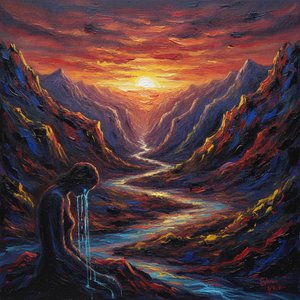
Capturing Emotion: A Journey Through the Soul of Expressionist Landscapes
Explore the profound emotional depth of Expressionist landscapes. Discover how Post-Impressionist masters moved beyond light to capture the soul through vibrant color and form. A curated journey for true art lovers seeking the beauty of expressive mastery.

Capturing the Soul: The Most Emotionally Moving Impressionist and Post-Impressionist Masterpieces
Discover the profound emotional depth of Impressionist and Post-Impressionist masterpieces. Explore how legends like Monet, Van Gogh, and Gauguin captured light and soul through evocative landscapes and vibrant brushwork for a timeless connection to art history.
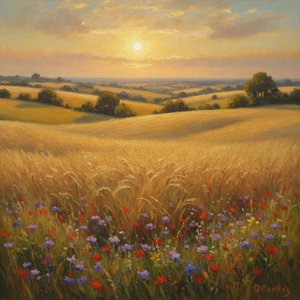
Golden Fields & Sun-Drenched Meadows: Capturing the Soul of Impressionist Landscapes
Immerse yourself in the luminous world of Impressionist landscapes. Discover how masters like Monet and Gauguin captured ephemeral light through plein air painting, and learn to bring the soul of sun-drenched meadows into your home with exquisite, hand-painted oil reproductions.

The Beauty of Impermanence: Capturing Decay through Impressionist Eyes
Explore the profound beauty of impermanence through Impressionist and Post-Impressionist eyes. Discover how masters like Monet and Van Gogh captured fleeting light and the poetic essence of nature's transitions in our deep dive into art history and emotional landscapes.
