





























作品のオリジナル比率に合わせた、当店の規定サイズからお選びください。

特定のフレームやスペースに合わせて、ご希望のサイズをご入力いただけます。選択されたサイズが元の画像の比率と異なる場合、アートワークをトリミングするか、手描きで要素を追加して絵画を拡張いたします。デジタルモックアップ を制作し、制作開始前にご確認(承認)をいただきます。
画面上のプレビューは、実際のトリミングや拡張を正確に反映しているものではありません。最終的な構図は、モックアップによってのみ正確にご確認いただけます。
カスタムサイズもご利用いただけますが、元の比率を維持するためには、あらかじめ用意されたリストからサイズを選択することをお勧めいたします。

Saint Antoine Turlupine
複製画のサイズ
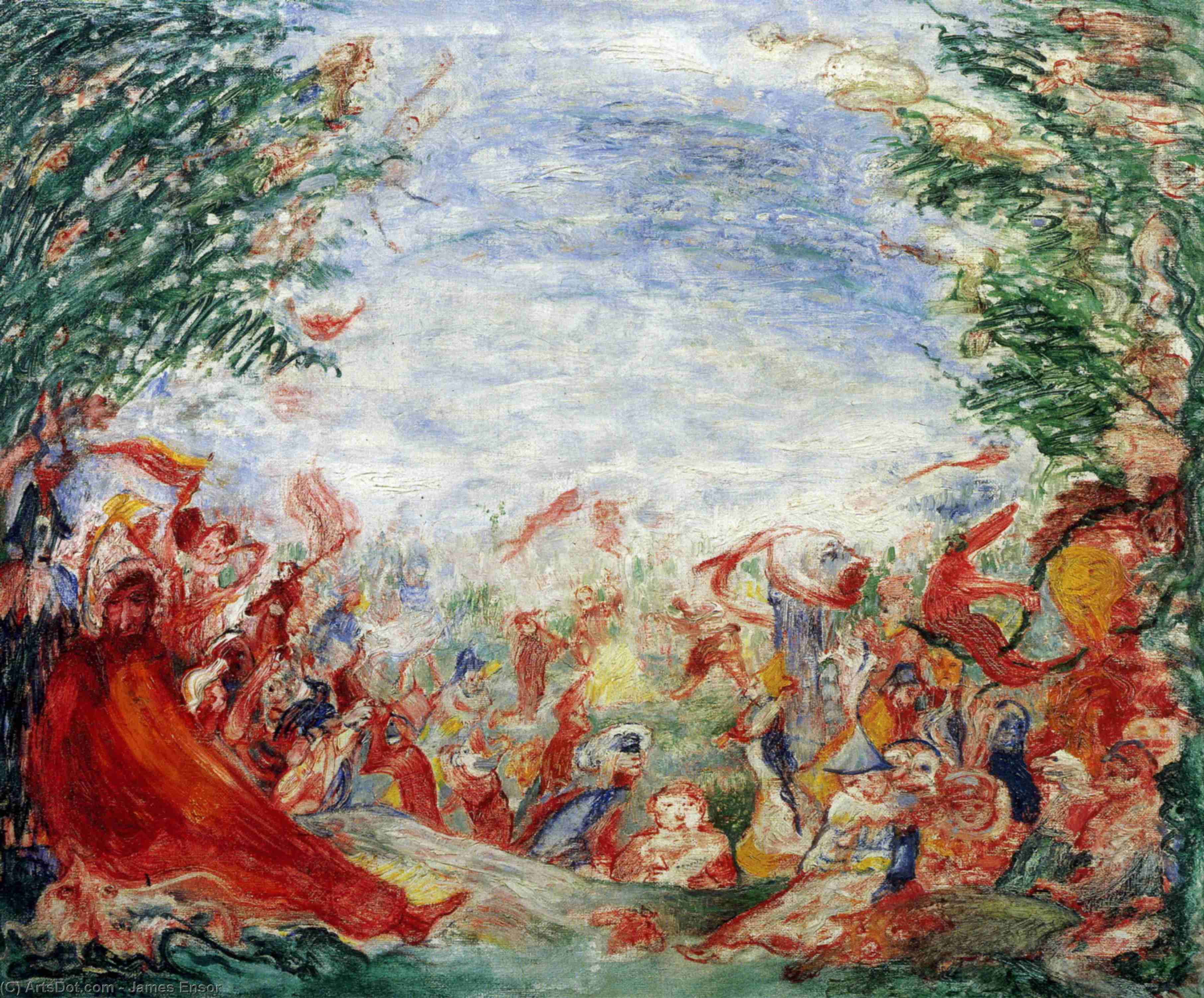
James Ensor’s “Saint Antoine Turlupine” stands as a monumental achievement in late 19th-century Symbolist art, offering much more than a mere depiction of a seaside gathering. Painted around 1886, this evocative oil on canvas captures the profound anxieties and social contradictions inherent in Belgian life during a period of transition. At first glance, the viewer is met with a densely populated outdoor scene, a bustling crowd gathered under the open sky, yet beneath this surface of leisure lies an unsettling psychological depth. Ensor masterfully orchestrates a composition where architectural elements—such as a wall adorned with a clock—and objects like umbrellas serve as potent symbols for the relentless passage of time and the weight of societal pressures.
The painting’s atmosphere is thick with a sense of mystery and hidden truths. As an expert in the Symbolist movement, Ensor moved away from the fleeting light of Impressionism to explore the darker, more permanent inner states of the human psyche. This is achieved through his use of masks, a recurring motif in his oeuvre that represents the duality of identity and the concealment of true emotions behind social facades. For collectors and enthusiasts of fine art, this piece offers a window into the artist's ability to transform a public promenade into a stage for contemplating mortality, isolation, and the inherent hypocrisy of the human condition.
Technically, “Saint Antoine Turlupine” is a triumph of expressive texture. Ensor utilized thick impasto brushstrokes to create a surface that feels physically alive, lending a visceral intensity to the crowded scene. This tactile quality ensures that the painting commands attention in any space, providing a rich, sculptural dimension that catches the light and invites close inspection. The palette is a sophisticated study in contrast; Ensor employs muted, earthy tones that ground the composition, only to puncturing them with sudden, dramatic splashes of crimson and ochre.
This deliberate use of color mirrors the psychological landscape of the work—the tension between the mundane reality of a seaside day and the underlying emotional turbulence. For interior designers seeking to introduce a focal point of profound character, this painting provides an unparalleled sense of drama. The interplay of light and shadow within the heavy paint layers creates a dynamic energy that can anchor a room, offering both a historical narrative and a sophisticated aesthetic presence.
To possess or display a reproduction of such a significant work is to invite a dialogue between the past and the present. Ensor’s ability to evoke profound emotional responses—ranging from curiosity to a haunting sense of unease—makes this piece an extraordinary choice for those who value art that challenges and inspires. It is not merely a decorative object but a narrative journey through the shadows of the Belgian soul.
Whether you are an art historian drawn to its Symbolist roots, a collector seeking a masterpiece of psychological realism, or a designer looking for a piece with deep emotional resonance, “Saint Antoine Turlupine” offers a timeless allure. It remains a captivating testament to Ensor's genius, reminding us that even in the most crowded spaces, the most profound truths are often found beneath the surface.
ジェームズ・エンソは、ベルギーの画家であり彫刻家で、表現主義とシュルレアリスムに大きな影響を与えた人物です。彼は芸術グループ「レズヴィンジュ」の一員でした。彼の父親はイギリス人で母親はベルギー人でした。彼は幼少期に特にカルニバル文化に魅せられ、その時期には家族の店の周辺で販売されていたカルニバル用品が豊富な環境に育ちました。彼は美術アカデミーで学びましたが、伝統的な芸術形式に縛られることを嫌い、独自の道を歩む必要性を痛感しました。
エンソの初期の絵画はより伝統的なスタイルで描かれ、日常生活を陰鬱な色調で描写していました。例えば、『ロシア音楽』(1881)や『酔い酒場の人々』(1883)などです。これらの作品にもすでに現れる不安感のあるイメージが隠されておりました。彼は絵画における幻視主義や一点透視といった従来の技法を放棄し、独自の芸術的なビジョンを実現するために取り組む必要性を認識しました。彼の初期の作品は、特に表現主義に影響を与えた画家たちからの影響を受けました。
エンソは生涯を通じて多くの作品を生み出し、今日まで人々を驚かせ、魅了し続けています。『ロシア音楽』や『酔い酒場の人々』など初期の作品は、当時の社会規範に対する批判的な視点を持つ表現主義への転換を象徴しています。彼の最も有名な作品である『イエス・キリストのブルジュンの入場』は特に衝撃的で、宗教的な偽善と社会的な無関心に対する風刺です。この絵画は当初は厳しい批判を受けましたが、現在では傑作として高く評価されています。彼はまた、人間の本質を掘り下げようとする試みであり、社会規範に挑戦する勇気を求める芸術家たちへの道を切り開いた人物として歴史に名を残しました。
エンソは特にピエール・ブーデルのエルドャーやフランシスコ・ゴヤ、ウィリアム・ホイストルの芸術から影響を受けました。彼はこれらの影響を独自の芸術的な言語に融合させ、表現主義とシュルレアリスムという新しい芸術運動へと導きました。彼の作品は特にその大胆な筆使いと鮮やかな色彩で特徴づけられ、劇場的な質を備えていました。
ジェームズ・エンソは、ベルギーの画家であり彫刻家として、表現主義とシュルレアリスムに大きな影響を与えた人物です。彼は芸術グループ「レズヴィンジュ」の一員でした。彼の父親はイギリス人で母親はベルギー人でした。彼は美術アカデミーで学びましたが、伝統的な芸術形式に縛られることを嫌い、独自の道を歩む必要性を痛感しました。

1860 - 1949 , ベルギー

Discover the enchanting alchemy of Impressionism. Explore how the mastery of oil on canvas, through glazing and impasto, captures eternal light and emotion. Perfect for lovers of Monet and Van Gogh seeking the profound depth of hand-painted fine art.


最新の美術ニュース、限定オファー、そしてインテリアのアイデアをいち早くお届けします。
お客様のプロジェクトについてお聞かせください。当社の美術専門家が、お客様に合わせた3つのパーソナライズされた芸術提案をご提供いたします。
あなたにぴったりの3作品を無料で厳選いたします

 プレビュー
プレビュー
 プリントを購入
 シェアする
シェアする シェアする
シェアする
 詳細を見る
詳細を見る

 ダウンロード
 似ている作品
 X線調査
X線調査 スライドショー

 詳細を見る
詳細を見る









 ガラスオプションは、110cm未満のサイズでのみご利用いただけます。


