


 設置イメージを確認
 送る
送る シェア
シェア
 詳細情報
詳細情報 ガイドを表示

 画像をダウンロード
 似ている作品
 X線調査
X線調査 スライドショー
 統計情報
統計情報Deesis
 Oil On Panel
- WallArt
- Renaissance
 1527
1527- Renaissance
 133.0 x 122.0 cm
 プラド美術館
 続きを読む
続きを読む
手描き油彩複製画
当社のアーティストが、お客様のご希望のサイズと額縁に合わせて、キャンバスに手描きで制作する油彩画です。 ( プリント版に切り替え デジタル画像販売へ切り替え)




P118B ¥10

P118H ¥10

P118W ¥10

P438Z ¥10

P508JH ¥12

P508YH ¥12

P805H ¥10

P805Z ¥10

P919BZ ¥10

P919G ¥10

P919XJ ¥10

P959ZH ¥10

P968JZ ¥12

W106C ¥8

W218G ¥10

W218JH ¥8

W218Y ¥10

W307PJ ¥10

W316G ¥10

W316PJ ¥8

W316Y ¥10

W398PJ ¥8

W4111J ¥10

W500HY ¥15

W500JH ¥15

W692G ¥12

W849H ¥8

W940BG ¥15

W953PJ ¥8




標準サイズ
カスタムサイズ
CM
INCH
作品のオリジナル比率に合わせた、当店の規定サイズからお選びください。
Loading sizes...

横幅
高さ
特定のフレームやスペースに合わせて、ご希望のサイズをご入力いただけます。選択されたサイズが元の画像の比率と異なる場合、アートワークをトリミングするか、手描きで要素を追加して絵画を拡張いたします。デジタルモックアップ を制作し、制作開始前にご確認(承認)をいただきます。
画面上のプレビューは、実際のトリミングや拡張を正確に反映しているものではありません。最終的な構図は、モックアップによってのみ正確にご確認いただけます。
カスタムサイズもご利用いただけますが、元の比率を維持するためには、あらかじめ用意されたリストからサイズを選択することをお勧めいたします。
カスタマイズの例:顔をお客様の写真に置き換える、ペットを追加する(例:猫を犬に変更)、背景に隠れたメッセージを入れる、背景の風景や要素を変更するなど。
ご注文後、TopImpressionists.com チームより詳細な指示をお送りするとともに、仕上がりイメージ(モックアップ)をご提供いたします。
ご注文後、TopImpressionists.com チームより詳細な指示をお送りするとともに、仕上がりイメージ(モックアップ)をご提供いたします。


 ガラスオプションは、110cm未満のサイズでのみご利用いただけます。

Deesis
再現技法
複製画サイズ一覧
-


合計金額
¥ 49078
A Divine Encounter: The Sacred Majesty of Jan Gossaert’s Deesis
In the quiet, hallowed atmosphere of the early sixteenth century, few works captured the intersection of earthly realism and celestial glory as profoundly as Jan Gossaert’s Deesis. Created in 1527, this masterpiece serves as a breathtaking window into the soul of the Northern Renaissance. The painting presents a sacred triad: Christ at the apex, flanked by the Virgin Mary and St. John the Baptist. This traditional iconographic arrangement, known as the Deësis—or "supplication"—depicts the holy figures in a moment of eternal intercession for humanity. As one gazes upon the composition, there is an immediate sense of being drawn into a divine court, where the boundaries between the viewer and the heavens begin to dissolve.
The emotional resonance of the piece lies in its delicate balance of power and tenderness. Gossaert, often referred to by his evocative moniker Mabuse, masterfully utilizes a triangular composition to guide the eye upward toward the central figure of Christ. The lighting is nothing short of dramatic; a soft yet piercing radiance emanicates from the center, illuminating the faces of the saints with a glow that feels both physical and spiritual. This chiaroscuro effect creates deep, velvety shadows within the dark wooden arch that frames the scene, lending the work a sculptural weight and an air of profound mystery. For the collector or designer, this painting offers more than mere decoration; it provides a focal point of intense contemplation and quiet strength.
The Alchemy of Technique and Texture
To appreciate the Deesis is to marvel at the technical virtuosity of the Netherlandish tradition blended with the burgeoning influences of Italian Romanism. Gossaert was a pioneer, an artist who breathed the air of Rome and brought its classical elegance back to the Low Countries. In this work, we see the meticulous attention to detail characteristic of his Flemish roots—the heavy, tactile folds of the drapery, the subtle translucency of skin, and the rich, opulent textures of gold and deep crimson pigments. The use of oil on wood panel allows for a layering of glazes that gives the colors an inner luminosity, making the gold leaf appear to shimmer as if caught in a flickering candlelight.
Every brushstroke serves a purpose in building a sense of tangible reality. The organic shapes of the flowing robes and rounded, compassionate faces contrast beautifully with the rigid, geometric architecture of the arched frame. This interplay between the soft and the structured creates a rhythmic harmony that is deeply pleasing to the eye. For those seeking to incorporate such a piece into a curated interior, the painting’s rich palette of earth tones, golds, and deep reds offers a sophisticated foundation for any classical or transitional design scheme, bringing an aura of historical prestige and timeless elegance to a room.
A Legacy of Faith and Humanism
Beyond its aesthetic brilliance, the Deesis is a profound theological statement. It captures the precise moment in art history when the medieval preoccupation with symbolic representation began to embrace the humanistic focus on anatomical accuracy and spatial depth. The gestures within the painting—Mary’s prayerful tilt and John the Baptist’s outstretched hand—are not merely poses; they are silent prayers captured in oil. They represent the bridge between the mortal struggle and divine mercy.
Owning a high-quality reproduction of this work allows one to invite this spirit of reverence into the modern home. It is an invitation to slow down, to observe the intricate details of Gossaert’s genius, and to find beauty in the intersection of the human and the divine. Whether placed in a private study, a grand library, or a sophisticated living space, the Deesis stands as a testament to the enduring power of Renaissance mastery, offering an unparalleled sense of peace, history, and artistic splendor.
よくあるご質問
「Deesis」の作者は?
「Deesis」を手がけたアーティストはヤン・ゴッサールトです。この作品はヤン・ゴッサールトの名でカタログに登録されています。
プラド美術館所蔵の「Deesis」の複製権について教えてください。
プラド美術館に所蔵されているヤン・ゴッサールト作「Deesis」は、パブリックドメイン(著作権消滅)です。このステータスにより、画像の複製が可能かどうかが決まります。
ヤン・ゴッサールトは何歳の時に「Deesis」を制作しましたか?
1527年に「Deesis」が制作された際、1478年生まれのヤン・ゴッサールトは49歳でした。
ヤン・ゴッサールト作「Deesis」では、どのような配色が使われていますか?
ヤン・ゴッサールト作「Deesis」は、Earthyなカラーパレットを使用しています。この配色が、作品全体の色彩的特徴を象徴しています。
ヤン・ゴッサールト作「Deesis」はパブリックドメインですか?
著作権について、「Deesis」はパブリックドメイン(著作権消滅)です。
「Deesis」は、作者の母国に留まっているのでしょうか?
いいえ、作品は国外に保管されています。ヤン・ゴッサールトはフランスで生まれ、その真作である「Deesis」はSpainの美術館に収蔵されています。
ヤン・ゴッサールト作「Deesis」は、何年に制作されましたか?
ヤン・ゴッサールト作「Deesis」の制作年は1527年です。
アーティストについて
ルネサンスの先駆者:ヤン・ゴッサールトの生涯と遺産
16世紀初頭という、時代の潮流が大きく揺れ動いていた時代において、北方の緻密な伝統と南方の勃興する人文主義との隔たりを、これほど見事に埋めた芸術家は他に類を見ません。
彼の初期修行に関する詳細な記録は、今なお時の霧の中に包まれていますが、ゴッサールトの芸術的DNAは低地諸国の伝統に深く根ざしていました。その形成期において、ロヒール・ファン・デル・ウェイデンやフーゴ・ファン・デル・グースといった巨匠たちの技術的な厳格さを吸収したと広く信じられています。これらの先達から、彼は細部への比類なき献身を継承しました。質感、布地、そして光の描写におけるその手法は、観る者にまるで実体があるかのような錯覚を与えるほどでした。しかし、ゴッサールトは決して過去の単なる模倣者ではありませんでした。彼は未知なるものに対して飽くなき好奇心を抱いており、自らの故郷の様式にイタリア・ルネサンスの解剖学的な正確さと建築的な壮大さを統合すべく、南方の地へと眼差しを向けたのです。
北と南の融合
マビュースの真の天才性は、一見すると相容れない二つの世界を調和させる能力にあります。彼がロマニスト画家として発展を遂げたことは、長らく北欧を支配していた純粋なゴシック的感性からの脱却を意味していました。初期の画家たちが象徴的な深みや精神的な図像学に焦りと注いでいたのに対し、ゴッサールトは物理的な重みと古典的な比率を導入しました。彼は新たな科学的な活力をもって人体を研究し、その人物像が彫刻的な存在感を持って空間を占有することを可能にしました。それは当時の時代背景において、極めて革命的な試みでした。
この様式の進化は、光と空気の扱いにおいて最も顕著に現れています。彼の手にかかれば、光は単に場面を照らすだけではなく、光そのものが形を彫り出していくのです。彼は空気遠近法を駆使して、無限に遠ざかっていくような広大で没入感のある風景を描き出し、主題のための劇的な舞台を用意しました。その構図にはしばしば、影と輝きの複雑な相互作用が見られ、この技法が宗教画や神話の場面に、まるで演劇のような強烈な緊張感を与えています。この卓越した技術によって、彼は宗教的な依頼に求められる深い精神的瞑想と、当時の人文主義学者たちが求めた知的な壮大さという、繊細なバランスを見事に渡り歩くことができたのです。
傑作と歴史的意義
ゴッサールトの多作なキャリアは、富裕な商人から高位の聖職者、貴族に至るまで、権威あるパトロンたちのネットワークによって支えられていました。その作品群は驚くほど多岐にわたり、大聖堂の内部を彩る記念碑的な祭壇画から、人物の心理的本質を捉えた親密な肖像画まで多岐にわたります。彼の最も永続的な貢献には、以下のようなものがあります。
- 宗教的図像学:『デエシス』などの作品は、光と色彩を用いて深い精神的な畏敬の念を呼び起こす能力を示しており、キリストを人間性と神性の両方を備えた威厳をもって描き出しています。
- 神話の物語:『ヘラクレスとデイアネイラ』のような作品において、ゴッサールトは古典的な主題への習熟を見せ、古代神話の筋肉質な力強さを利用して、北方の解剖学的絵画の境界を押し広げました。
ヤン・ゴッサールトの歴史的な重要性は、いくら強調してもしすぎることはありません。彼はイタリアの古典的な理想をアルプスを越えて運び、ネーデルラントの肥沃な大地にしっかりと根付かせた、極めて重要な架け橋でした。フランドルの伝統が持つ緻密な職人技と、ローマ・ルネサンスの構造的な革新を融合させることで、彼は後の世代の北方の芸術家たちの道を切り拓いたのです。彼の遺産は、文化的な統合と芸術的な再生という勝利の時代を象徴するものとして、今もなお美術史の織りなす模様の中に深く刻み込まれています。

ヤン・ゴッサールト
1478 - 1532 , フランス
アーティスト情報
- Artistic Movement Or Style: ロマニズム絵画
- Artists Who Influenced This Artist:
- アンドレア・マンテーニャ
- レオナルド・ダ・ヴィンチ
- Date Of Birth: フランス、モーブージュ
- Date Of Death: 1532年
- Full Name: ヤン・ゴッサール (マビューズ)
- Nationality: フランドル人
- Notable Artworks:
- デエシス
- ヘラクレスとデイアネイラ
- 聖家族
- Place Of Birth: フランス
関連記事
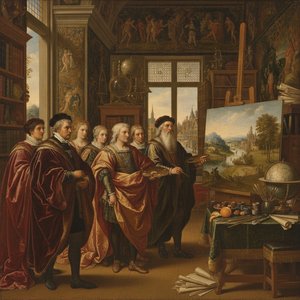
The Timeless Allure of Flemish Painting: A Journey Through Light and Detail
Embark on a luminous journey through the Flemish masters. Discover the alchemical secrets of oil glazing, intricate symbolism, and the breathtaking realism of the Northern Renaissance. An expert exploration of light and detail for the discerning art enthusiast.