


 設置イメージを確認
 送る
送る シェア
シェア
 詳細情報
詳細情報 ガイドを表示

 画像をダウンロード
 似ている作品
 X線調査
X線調査 スライドショー
 統計情報
統計情報Nāve


 続きを読む
続きを読む
ジークレー/アートプリント
スピーディーな制作と多彩な仕上げオプションが魅力の、ミュージアムクオリティなジークレー・キャンバスプリント。 ( 手描きの複製画を注文する デジタル画像販売へ切り替え)




































標準サイズ
カスタムサイズ
CM
INCH
作品のオリジナル比率に合わせた、当店の規定サイズからお選びください。
Loading sizes...

横幅
高さ
特定のフレームやスペースに合わせて、ご自身でサイズを指定することも可能です。選択されたサイズが元の画像の比率と一致しない場合、作品をトリミングするか、鏡面反射または単色での塗りつぶしによって画像を拡張いたします。制作を開始する前に、ご確認用のデジタルモックアップをお送りいたします。
画面上のプレビューには、実際のトリミングや拡張は反映されませんのでご注意ください。最終的な構図を正確に確認できるのは、モックアップのみとなります。
カスタムサイズも承っておりますが、元の比率を維持するためには、あらかじめ用意されたリストからサイズを選択することをお勧めいたします。


 ガラスオプションは、110cm未満のサイズでのみご利用いただけます。

Nāve
ジークレー/アートプリント
複製画サイズ一覧
-


合計金額
$ 69
The painting Nāve by Janis Rozentāls, created in 1897, is a thought-provoking piece that explores the theme of death and its symbolism. As a masterpiece of Latvian art, it is now housed in the Latvian National Museum of Arts in Riga, Latvia. This oil on canvas painting measures 69 x 98 cm and is a significant example of Realism and Symbolic painting.
The Latvian National Museum of Arts is home to an extensive collection of Latvian art, including works by Janis Rozentāls. To learn more about the museum and its collections, visit https://TopImpressionists.com. For a deeper understanding of Janis Rozentāls' life and work, see his biography on Wikipedia.
Understanding the Artist's Vision
Janis Rozentāls was a prominent Latvian artist known for his contributions to the development of Latvian art. His work often featured everyday scenes, portraits, and landscapes, but Nāve stands out for its unique blend of realism and symbolism. The painting depicts a woman holding a baby in her arms, surrounded by other elements that add to the overall meaning of the piece.- The woman's gentle gaze towards the baby conveys a sense of care and nurturing.
- The presence of a cat and bird in the scene may symbolize the cycle of life and death.
- The two bottles in the background could represent the duality of life and death.
Appreciating the Artistic Value
Nāve is not only a significant work by Janis Rozentāls but also an important piece in the history of Latvian art. Its themes and symbolism continue to fascinate art lovers today. For those interested in exploring more of Janis Rozentāls' work, https://TopImpressionists.com offers high-quality reproductions of his paintings, including Nāve. Visit Nāve, 1897 by Janis Rozentāls to discover more about this captivating piece.The Latvian National Museum of Arts is home to an extensive collection of Latvian art, including works by Janis Rozentāls. To learn more about the museum and its collections, visit https://TopImpressionists.com. For a deeper understanding of Janis Rozentāls' life and work, see his biography on Wikipedia.


アーティストについて
ラトビア絵画の先駆者:ヤニス・ロゼ ンタールス、その生涯と芸術
ヤニス・ロゼ ンタールスは、ラトビア美術史における不朽の巨星として君臨しています。彼は、文化的な激変と政治的な動乱の時代において、国家としての芸術的アイデンティティを築き上げる原動力となった画家でした。1866年3月18日、当時はロシア帝国の一部であったクルレディ地方のベブリ農園という、慎ましい環境に生を受けたロゼ ンタールスの歩みは、鍛冶屋の息子から名高い芸術家へと登り詰めた、情熱と才能の軌跡そのものです。彼の幼少期はラトビアの田園風景に深く根ざしており、その自然環境が後の彼の芸術的ヴィジョンを決定づけることとなりました。サルドゥスのH. クローズ初等学校で学び、その後クルディガ地方学校へと進んだ彼でしたが、表現への燃えるような渇望が、わずか15歳にして彼を首都リガへと突き動かしました。ここから彼の正統な修行が始まり、1888年には名高いサンクトペテルブルグ美術アカデミーでの研鑽へと結実していきます。この学問の年月は、ロゼ ンタールスに確かな技術的基盤を与え、広大なヨーロッパの芸術伝統に彼を触れさせましたが、それでもなお、彼は故郷の風景と精神を忘れることはありませんでした。ラトビアへの帰郷は彼にとって極めて重要であり、母国のありのままの美しさと文化的な豊かさが、彼の芸術的発展に絶え間ない糧を与え続けたのです。伝統と現代性の融合:芸術的展開と様式
ロゼ ンタールスがラトビアにおけるプロフェッショナルな純粋芸術の創始者の一人と認められているのは、まさに正当な評価といえるでしょう。彼の作品は、印象派やアール・ヌーヴォーといった様々な影響を見事に融合させていますが、それらは常に、ラトビア特有の感性というフィルターを通して昇華されています。彼は単にこれらの様式を模倣したのではなく、それらを自らのものとして変容させ、当時の高まりつつあった民族意識に共鳴する独自のキャラクターを吹き込んだのです。彼の構図の大きな特徴は、意図的な非対称性と、流れるような波のようなリズムにあり、これこそがアール・ヌーヴォーの真骨頂といえます。しかし、ロゼ ンタールスはこうした装飾的な性質を、色調の変化や色彩の関係性に対する繊細な理解によって巧みに制御し、作品が単なる過剰な装飾に陥るのを防ぎました。平面性と柔らかな階調を自在に組み合わせることで、視覚的に強烈でありながら、感情を揺さぶるようなイメージを生み出したのです。その題材は多岐にわたり、人物の内面を捉えた肖像画、ラトビアの自然の美しさ――特に鮮やかな春の情景――を讃える風景画、そして聖書の物語や神話から着想を得た象徴的な作品まで、幅広く展開されました。1910年には、リガ・ラトビア協会のために装飾的なフリーズ(帯状装飾)を制作するという重要な依頼を遂行し、芸術的な誠実さを保ちながら記念碑的なスケールで描く能力を示しました。また、絵画にとどまらず、書籍のデザイン、雑誌の挿絵、ポスター、素描など、多才なグラフィック・アーティストとしても精力的に活動し、その創造性の広がりを証明しました。フィンランドでのひととき:結婚と芸術的交流
ロゼ ンタールスの人生における決定的な瞬間は、1902年、リガでフィンランド人歌手のエリ・フォルセルと出会った時に訪れました。1903年の二人の結婚は、単なる個人的な結びつきを超え、芸術的な交流を促し、彼の視野を広げる触媒となりました。フィンランドとの繋がりは彼の関心に深い影響を与え、ガレン=カレラ、イェルネフェルト、ハローネン、サーリネンといったフィンランド人芸術家たちの作品に対する深い敬愛へと導きました。彼は彼らの芸術について広く執筆し、革新的な芸術形式を通じて民族的アイデンティティを表現しようとする、同志としての精神を見出したのです。1905年から1916年にかけて、家族はヘルシンキに居住しました。この時期はロゼ ンタールスにとってフィンランド文化に深く浸る経験となり、彼の芸術的視点をさらに豊かなものにしました。彼はラトビアのルーツと、新たに身を置いた環境の影響をシームレスに統合させ、絶え間ない芸術的生産性を維持し続けたのです。不朽の遺産:主要作品と歴史的意義
ロゼ ンタールスの遺産は、今日でも観る者を魅了し続ける素晴らしい作品群によって確固たるものとなっています。A. ドンブロフスキスやルードルフ・ブラウマニス、そして最愛の妻エリ・フォルセルの肖像画は、単なる容貌の記録ではなく、人物の性格や個性を洞察する深い研究といえます。「教会から」(1894年)や「ピクニック」(1913年)といった風景画は、郷愁と自然への畏敬の念に満ちた、ラトビア田園地帯の静謐な美しさを見事に捉えています。また、「誘惑」や「リンゴを持つエヴァ」などの象徴的な作品では、写実主義と象徴主義を独自の形で融合させ、道徳、欲望、精神性といった普遍的なテーマを探求しています。さらに、彼はラトビアの教会のために祭壇画も制作し、芸術的な質を維持しながら、より幅広い層に届くよう自身の様式を適応させました。ヤニス・ロゼ ンタールスは1916年12月26日、フィンランドのヘルシンキでこの世を去りましたが、後に1920年、リガの森林墓地に再埋葬されました。彼の功績は絵画の枠を遥かに超えています。リガにあるヤニス・ロゼ ンタールス芸術高校は、彼の芸術教育への献身の証として存在し、サルドゥスにある彼自身が設計した建物内の記念博物館は、その生涯と作品を次世代へと伝えています。彼は、芸術を通じて独自の民族的アイデンティティの発展に寄与した人物として、ラトビア美術史における極めて重要な存在であり続けています。彼は、まさに先駆者でした。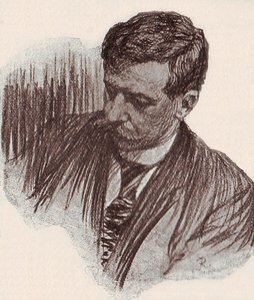
ヤニス・ロゼンタールス
1866 - 1916 , ロシア
アーティスト情報
- Artistic Movement Or Style: 印象派、アール・ヌーヴォー
- Artists Or Movements Influenced By This Artist: ラトビア美術の近代化
- Date Of Birth: 1866年3月18日
- Date Of Death: 1916年12月26日
- Full Name: ヤニス・ロゼ ンタルス
- Nationality: ラトビア人
- Notable Artworks: ['死', '教会から', 'ピクニック', '誘惑', 'リンゴを持つエバ']
- Place Of Birth: ラトビア、サルドゥス
関連記事

The Raw Truth: A Definitive Guide to the Power and Legacy of Social Realism Art
Explore the profound impact of Social Realism. Discover how masters like Courbet rejected idealism to capture the raw, socio-political truths of the working class through powerful, unvarnished art history and enduring visual critique.

Capturing the Soul: A Journey Through the Emotion of Romantic Realism
Explore the profound emotion of Romantic Realism. Discover how 19th-century masters blended meticulous observation with raw human feeling to capture the soul through breathtaking oil paintings and timeless artistic legacies.

The Unvarnished Truth: A Cultural Journey Through the Soul of American Realism
Explore the profound beauty of American Realism. From the Ashcan School's urban grit to intimate portraits, discover how artists captured the authentic soul of a nation through unvarnished truth and masterful observation.