





























作品のオリジナル比率に合わせた、当店の規定サイズからお選びください。

特定のフレームやスペースに合わせて、ご希望のサイズをご入力いただけます。選択されたサイズが元の画像の比率と異なる場合、アートワークをトリミングするか、手描きで要素を追加して絵画を拡張いたします。デジタルモックアップ を制作し、制作開始前にご確認(承認)をいただきます。
画面上のプレビューは、実際のトリミングや拡張を正確に反映しているものではありません。最終的な構図は、モックアップによってのみ正確にご確認いただけます。
カスタムサイズもご利用いただけますが、元の比率を維持するためには、あらかじめ用意されたリストからサイズを選択することをお勧めいたします。

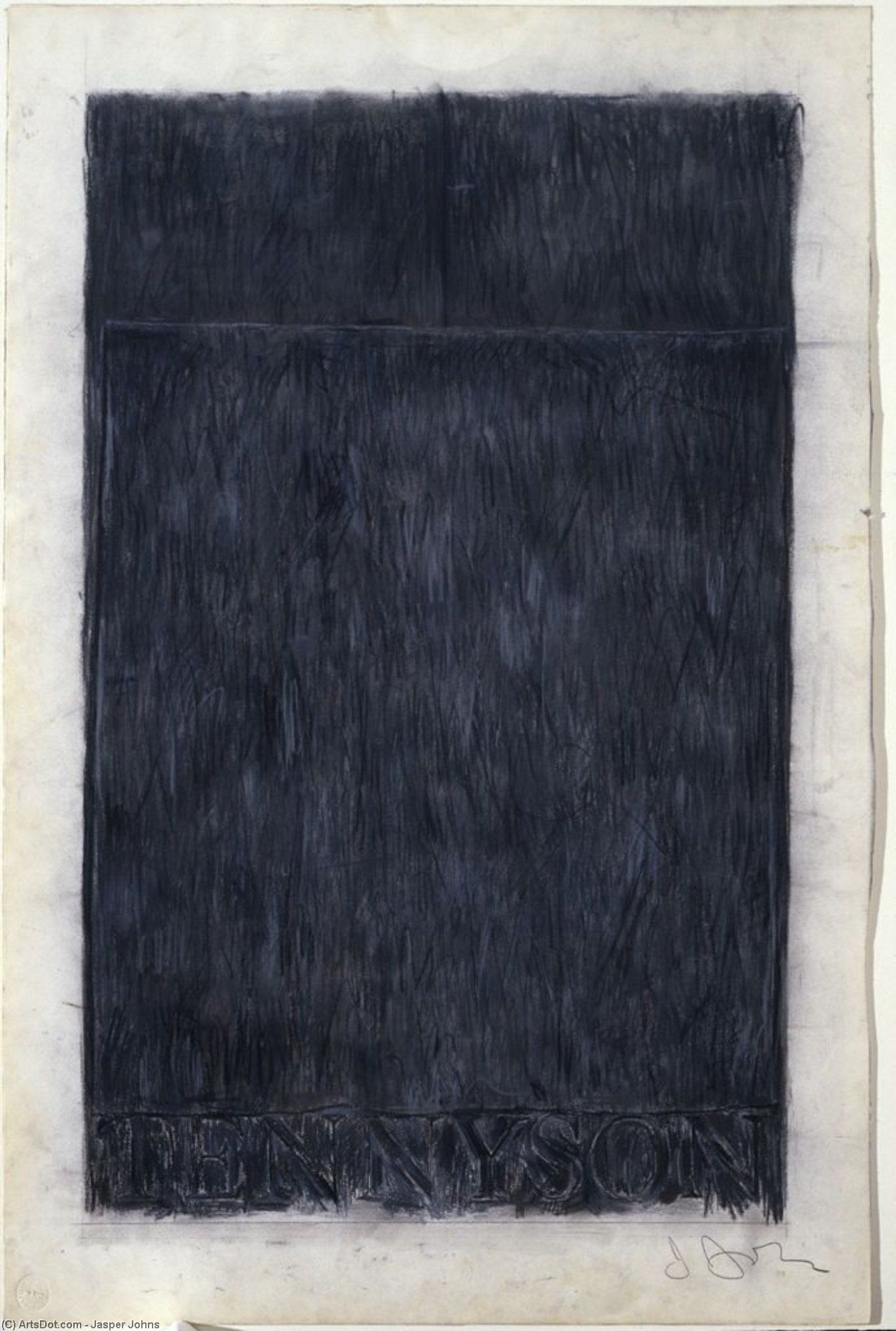
Tennyson
複製画のサイズ
Jasper Johns’ “Tennyson,” completed in 1959 during the height of Abstract Expressionism, isn’t merely a painting; it’s an invitation into a realm where recognizable forms dissolve into evocative suggestion. This monumental canvas embodies the spirit of its era—a reaction against the emotionally charged canvases of artists like Pollock and Rothko—yet simultaneously anticipates the stylistic innovations that would characterize Pop Art.
Unlike the sprawling, gestural brushstrokes synonymous with Abstract Expressionism, Johns’ approach to “Tennyson” is characterized by a deliberate restraint. The painting utilizes a predominantly dark background—a deep charcoal gray—creating an atmosphere of profound stillness. However, this apparent simplicity belies a meticulous technique. Johns employs encaustic wax mixed with pigment, layering thin sheets of wax onto the canvas and fusing them together under intense heat. This process lends the artwork a remarkable textural quality – subtle ridges and depressions emerge from the surface, hinting at hidden depths.
“Tennyson” emerged from a period marked by significant upheaval—the Korean War disrupted Johns’ artistic pursuits and instilled in him a heightened awareness of geopolitical realities. Simultaneously, it represented an audacious challenge to the prevailing aesthetic conventions of the time. Artists like Pollock had championed spontaneity and improvisation, prioritizing emotion over intellectual consideration. Johns countered this trend with his unwavering commitment to precision and control, reflecting a broader philosophical shift toward rational inquiry.
The painting's title references Alfred Lord Tennyson’s poem “In Memoriam A Lay of Remembrance,” which explores themes of grief, loss, and the enduring power of memory. Johns deliberately avoids explicit representation—there are no discernible figures or landscapes—instead opting for a visual language that speaks to these poetic concepts. The dark background symbolizes sorrow and obscurity, while the textured surface embodies the fragmented nature of remembrance – impressions linger beneath the surface like echoes of past experiences.
"Tennyson" doesn’t demand immediate gratification; it invites contemplation. Its subdued palette and meticulous technique encourage viewers to slow down, to absorb its atmosphere, and to engage in a dialogue with its underlying symbolism. Ultimately, the painting succeeds in conveying a profound sense of melancholy—a quiet acknowledgement of life's inevitable sorrows—but also hints at an enduring capacity for resilience and beauty. It’s a testament to Johns’ ability to transform abstract concepts into emotionally resonant visual experiences.

1930 - , アメリカ合衆国

Embark on a cultural journey through Lyrical Abstraction. Explore how masters like Kandinsky used color and motion to translate emotion into visual poetry. Discover the profound beauty of abstract expressionism and learn to curate emotional resonance in your own art collection.


最新の美術ニュース、限定オファー、そしてインテリアのアイデアをいち早くお届けします。
お客様のプロジェクトについてお聞かせください。当社の美術専門家が、お客様に合わせた3つのパーソナライズされた芸術提案をご提供いたします。
あなたにぴったりの3作品を無料で厳選いたします

 プレビュー
プレビュー
 プリントを購入
 シェアする
シェアする シェアする
シェアする
 詳細を見る
詳細を見る

 ダウンロード
 似ている作品
 X線調査
X線調査 スライドショー

 詳細を見る
詳細を見る









 ガラスオプションは、110cm未満のサイズでのみご利用いただけます。


