設置イメージを表示
 シェアする
シェアする シェアする
シェアする
 詳細を見る
詳細を見る ガイドを表示

 ダウンロード
 似ている作品
 X線調査
X線調査 スライドショーを表示
 Q&A
Q&A 統計情報
統計情報Desnudo


 詳細を表示
詳細を表示
このページに掲載されている作品は著作権法によって保護されており、当社の許可なく同一の複製物を制作または販売することは法律で禁じられています。この保護は、以下のような国際条約に基づき執行されます。 ベルヌ条約 および、以下の条項に定められたものを含む各国の法律により、 米国著作権法 第17編。
この手法は、著作権で保護された作品の複製や複写を伴わないため、著作権法に完全に準拠しています。これは単なる模倣ではなく、創造的な再解釈です。元の作品からインスピレーションを受けつつも、それとは異なる、全く新しい絵画を生み出すものです。
ジークレー/アートプリント
スピーディーな制作と多彩な仕上げオプションが魅力の、ミュージアムクオリティなジークレー・キャンバスプリント。 ( 手描き複製画を注文する デジタル画像販売へ切り替え)




P118B ¥10

P118H ¥10

P118W ¥10

P438Z ¥10

P508JH ¥12

P508YH ¥12

P805H ¥10

P805Z ¥10

P919BZ ¥10

P919G ¥10

P919XJ ¥10

P959ZH ¥10

P968JZ ¥12

W106C ¥8

W218G ¥10

W218JH ¥8

W218Y ¥10

W307PJ ¥10

W316G ¥10

W316PJ ¥8

W316Y ¥10

W398PJ ¥8

W4111J ¥10

W500HY ¥15

W500JH ¥15

W692G ¥12

W849H ¥8

W940BG ¥15

W953PJ ¥8




標準サイズ
オーダーメイド
CM
INCH
作品のオリジナル比率に合わせた、当店の規定サイズからお選びください。
Loading sizes...

横幅
高さ
額縁や壁のスペースに合わせて、ご希望の幅と高さを入力してください。プリントはカットすることは可能ですが、元の画像より大きくすることはできないため、異なる比率のサイズを選択された場合は、画像の一部が欠けることになります。印刷を開始する前に、内容を確認していただくためのデジタルモックアップをお送りいたします。このページに表示されている画像は、実際のカット後の状態を示すものではありません。実際の仕上がりはモックアップにてご確認ください。


 ガラスオプションは、110cm未満のサイズでのみご利用いただけます。

Desnudo
ジークレー/アートプリント
複製画サイズ一覧
-


合計金額
¥ 11080
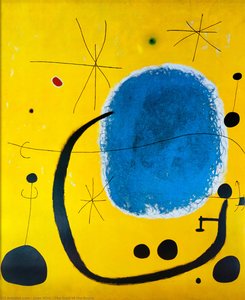
A Dreamscape Unveiled: Exploring Joan Miró’s “Desnudo”
Joan Miró's "Desnudo" (Naked), painted in 1926, isn’t merely a depiction of the human form; it’s an immersion into a surrealist dreamscape—a vibrant testament to the Catalan artist’s unique vision and his profound engagement with the subconscious. This captivating work, rendered primarily in bold blocks of red, yellow, green, and beige against a stark black backdrop, immediately draws the viewer into a world where familiar forms are playfully distorted and imbued with symbolic weight. It's a piece that whispers of fertility, memory, and the boundless potential of imagination, echoing the spirit of early Surrealism while retaining Miró’s distinctly personal style.
The composition itself is deliberately asymmetrical, guiding the eye through a carefully orchestrated arrangement of abstract shapes. A stylized female figure dominates the left side, her form suggestive yet ambiguous—a potent symbol that could represent femininity, creativity, or perhaps simply the raw energy of life itself. Scattered around this central element are a series of intriguing motifs: a vibrant green shape reminiscent of a fruit or leaf, a striking red circle punctuated by yellow tendrils, and a pear-like form adding to the organic chaos. A subtle, dashed horizontal line bisects the canvas, providing a structural anchor within the otherwise fluid arrangement, preventing the piece from dissolving entirely into pure abstraction. This deliberate balance between order and disorder is characteristic of Miró’s approach – he sought to capture the essence of both logic and intuition.
The Language of Color and Line
Miró's masterful use of color is central to the painting’s impact. The limited palette—primarily reds, yellows, greens, and beiges—is applied with a remarkable directness; there’s little blending or softening of edges. Instead, each shape exists as a distinct entity, radiating its own internal glow against the enveloping darkness. This technique creates a powerful visual texture, emphasizing the materiality of the paint itself and lending the work a graphic, almost childlike quality. The sparing use of lines—primarily in the form of the dashed horizontal line and the outlines of the shapes—further contributes to the painting’s abstract feel, reinforcing its sense of immediacy and spontaneity.
Echoes of Surrealism and Catalan Identity
“Desnudo” firmly places itself within the context of early 20th-century Surrealism, drawing inspiration from artists like Joan Miró himself. However, it’s crucial to recognize that Miró developed a highly individual style, deeply rooted in his Catalan heritage. The organic forms—resembling natural elements but rendered with an element of dreamlike distortion—evoke the rugged landscapes and folklore of Catalonia, a region he consistently revisited throughout his career. The influence of Gaudí's architectural innovations is also subtly present, particularly in the flowing curves and biomorphic shapes that populate the composition. The painting feels both intensely personal and deeply connected to its cultural origins.
Symbolism and Emotional Resonance
Beyond its formal qualities, “Desnudo” resonates with a profound sense of dreamlike wonder and playful abstraction. The scattered shapes can be interpreted as fragments of memory, echoes of the subconscious, or perhaps even representations of primal instincts. The central figure’s ambiguous nature invites multiple readings—a symbol of fertility, creativity, or simply the mystery of human existence. Ultimately, Miró's work resists easy interpretation, encouraging viewers to engage with the painting on a deeply personal level and to construct their own meaning within its evocative space. “Desnudo” is not just a painting; it’s an invitation to step into a world where logic dissolves and imagination reigns supreme.
作家プロフィール
カタルーニャの visionary: ホアン・ミロの生涯と芸術
ホアン・ミロ・イ・フェラーは、1893年4月20日にバルセロナで生まれ、20世紀美術における最も重要な人物の一人として知られています。彼の芸術的探求は単なる様式変遷ではなく、夢、記憶、そしてカタルーニャのアイデンティティを独自の詩的な視覚言語を通してキャンバスに翻訳する内面の世界の探求でした。幼少期には病気と親からの芸術への取り組みに対する当初の躊躇がありましたが、彼は目に見えないものを表現するという生まれつきの衝動によって推進され、粘り強く努力しました。バルセロナの伝統に浸された彼の初期の人生は、アントニ・ガウディのおかげで建築的な驚異にあふれた都市であり、ミロの後の抽象化に微妙な影響を与えました。父親の金細工職人としての経験は、緻密な職人技への感謝を育み、一方、険しいカタルーニャの風景は彼のキャリアを通して繰り返されるモチーフとインスピレーションの源となりました。アバンギャルドへの目覚めとシュルレアリスムとの出会い
ミロの正式な芸術的訓練はバルセロナのラ・リョットヤで始まり、伝統的な技術を磨きました。しかし、彼を真に創造的に進化させたのは、パリを席巻したアバンギャルド運動への接触でした。 Fauvism の鮮やかな色彩と Cubism の断片化された形態が深く共鳴し、1920 年に彼をパリへと駆り立てました。この時期は画期的であり、彼はパブロ・ピカソに出会い、ますます抽象的な構成で実験を開始しました。しかし、ミロはこれらのスタイルを単に採用したのではなく、独自の独特の美学を築き上げました。彼は形態をその本質にまで蒸留し、表現主義的詳細を放棄して象徴的な形状と喚起する色彩に取って代わりました。この探求は彼を 1924 年にシュルレアリスムグループへと導きました。マックス・エルンストやサルバドール・ダリのような芸術家たちとの連携を通じて、彼は無意識へのシュルレアリストの関心を受け入れました。しかし、ミロは独自の感性を維持し、彼の作品は衝撃的なイメージやフロイト心理学的な象徴主義ではなく、遊び心のある形態と詩的な暗示の世界を創造することに重点を置いていました。象徴の言語:主要な作品と芸術的革新
1920 年代から 30 年代にかけて、ミロは鮮やかな色彩と簡略化された形状で特徴づけられる独自の視覚語彙を開発しました。しばしば彼の作品の礎石と考えられている『農場』(1922)は、この移行を体現しており、単なる田園生活の描写ではなく、カタルーニャのアイデンティティの喚起と自然界の象徴的な表現です。彼の協調的な精神は、セルゲイ・ディアギレフのバレエのために考案されたデザインでマックス・エルンストと共に先駆的に行った *グラタージュ* といった革新的な技術につながりました。 オランダのインテリア(1928) シリーズは、彼の現代的なレンズを通して旧様式を再解釈する能力を示し、家庭的なシーンを夢のような抽象化へと変えました。絵画 (1933) は、大胆な色彩と簡略化された形態で、ミロの無意識への探求と従来の芸術的境界線の拒絶を体現しています。絵画以外にも、ミロは陶芸や版画など、さまざまなメディアに果敢に挑戦し、創造的な地平線を広げ、目覚ましい多才さを示しました。遺産と永続的な影響
ホアン・ミロの 20 世紀美術への影響力は否定できません。彼は単なる画家ではなく、芸術的表現そのものを定義に挑戦した先見の明のある人物でした。彼の作品は抽象表現主義への道を開き、現在もさまざまな分野のアーティストにインスピレーションを与え続けています。彼はバルセロナのホアン・ミロ財団(1975 年)とパルマ・デ・マヨルカのピラール・イ・ホアン・ミロ財団(1981 年)という 2 つの財団を設立し、彼の遺産が永続することを保証し、芸術的探求と教育のためのスペースを提供しました。彼の長いキャリアを通して、彼は境界線を押し広げ、慣習に疑問を投げかけ、人間の想像力の深さを探求することへの献身を維持していました。ミロの芸術は抽象化、象徴主義、そして詩的な表現の力に対する証であり、人生、夢、そしてカタルーニャ文化の不朽の精神を祝う鮮やかな賛歌です。彼の作品は今日でも世界中の聴衆に共鳴し、あらゆるものが可能で、現実と幻想の境界線が魅惑的な色彩と形態のダンスの中でぼやけていく世界へと私たちを誘います。
ジョアン・ミロ
1893 - 1983 , スペイン
プロフィール概要
- フルネーム: ジョアン・ミロ・イ・フェラー
- 主な作品:
- ザ・ファーム
- オランダの室内
- 絵画
- 出身地: バルセロナ、スペイン
- 国籍: スペイン
- 影響を与えたアーティストまたは運動:
- シュルレアリスム
- 抽象表現主義
- 影響を受けたアーティスト:
- パブロ・ピカソ
- セザンヌ
- 死亡年月日: 1983年12月25日
- 生年月日: 1893年4月20日
- 芸術運動またはスタイル: シュルレアリスム、抽象芸術
関連記事

The Soul of Color: A Journey into the Emotional Resonance of Lyrical Abstraction
Embark on a cultural journey through Lyrical Abstraction. Explore how masters like Kandinsky used color and motion to translate emotion into visual poetry. Discover the profound beauty of abstract expressionism and learn to curate emotional resonance in your own art collection.
テーマ、スタイル、特徴別に分類された作品を探索しましょう。