































作品のオリジナル比率に合わせた、当店の規定サイズからお選びください。

特定のフレームやスペースに合わせて、ご自身でサイズを指定することも可能です。選択されたサイズが元の画像の比率と一致しない場合、作品をトリミングするか、鏡面反射または単色での塗りつぶしによって画像を拡張いたします。制作を開始する前に、ご確認用のデジタルモックアップをお送りいたします。
画面上のプレビューには、実際のトリミングや拡張は反映されませんのでご注意ください。最終的な構図を正確に確認できるのは、モックアップのみとなります。
カスタムサイズも承っておりますが、元の比率を維持するためには、あらかじめ用意されたリストからサイズを選択することをお勧めいたします。

Placa redonda
複製画のサイズ
Joan Miró's “Placa redonda” is not merely a painting; it’s an invitation into a dreamscape, a visual poem brimming with the artist’s signature blend of playful abstraction and profound symbolism. This captivating work, though modest in size (the exact dimensions remain undocumented), possesses an expansive quality, drawing the viewer into its intricate world of biomorphic forms and vibrant hues. At first glance, one is struck by the prominent canine figure—a whimsical dog standing upright, almost human in posture. But to perceive this as simply a depiction of an animal would be to miss the deeper currents flowing beneath the surface. Miró wasn’t interested in replicating reality; he sought to unlock the subconscious, to translate the language of dreams and instincts onto canvas.
Born in Barcelona in 1893, Joan Miró developed a unique artistic vocabulary deeply rooted in Catalan identity and Surrealist exploration. While he briefly engaged with movements like Cubism, he quickly forged his own path, rejecting rigid structures in favor of intuitive expression. “Placa redonda” exemplifies this approach. The dog, often interpreted as a self-portrait or a representation of loyalty and companionship, is surrounded by an array of enigmatic shapes and figures. These aren’t random arrangements; they are carefully considered symbols drawn from Miró's personal mythology. The scattered forms—floating eyes, ladder-like structures, and amorphous blobs—evoke a sense of childlike wonder and primal energy. The painting isn’t about *what* is depicted but rather *how* it feels. It taps into universal archetypes, resonating with the viewer on an emotional level.
Miró's technique in “Placa redonda” is deceptively simple yet remarkably sophisticated. He employed a limited palette of primary colors—red, blue, yellow—alongside black lines to define forms and create spatial relationships. The application of paint appears fluid and spontaneous, but closer inspection reveals a meticulous control over texture and layering. He often thinned his paints, allowing them to bleed into the canvas, creating a sense of luminosity and depth. This technique contributes to the painting’s ethereal quality, as if the images are emerging from a hazy dream. The circular format itself—the “placa redonda” or round plate—adds another layer of meaning, suggesting wholeness, unity, and the cyclical nature of life.
Joan Miró’s impact on 20th-century art is undeniable. He paved the way for abstract expressionism and influenced generations of artists with his innovative use of color, form, and symbolism. “Placa redonda,” though a relatively lesser-known work compared to some of his larger canvases, encapsulates the essence of his artistic vision. It’s a testament to his ability to transform personal experiences and subconscious impulses into universally accessible works of art. For collectors and interior designers alike, a reproduction of this painting offers more than just aesthetic appeal; it provides a window into a world of imagination, inviting contemplation and sparking creativity within any space.

1893 - 1983 , スペイン
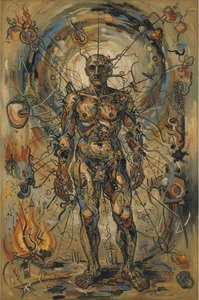
Explore the revolutionary art of André Masson – pioneer of automatism & Surrealist expression. Discover his powerful imagery, innovative techniques, and lasting influence on modern art. Learn more at TopImpressionists.

ジョアン・ミロの傑作25選🎨 シュルレアリスムを代表する巨匠、ミロの世界へ。色彩と象徴に満ちた絵画の物語を紐解き、インテリアアートのインスピレーションを得ましょう。TopImpressionistsで高品質なアートプリントをお探しください✨

ダリ、マグリット…シュルレアリスムを代表する10選を紐解く。夢と無意識の世界へ誘う傑作の裏側を徹底解説。空間に彩りを添える、至高のアートプリントを見つけませんか?TopImpressionists.comでコレクションを探索しよう。

Discover the vibrant world of Ágatha Ruiz de la Prada, a leading figure in contemporary Spanish art. Explore her eclectic style, emotional depth & legacy – a must-read for discerning collectors.

夢と現実が交差する、シュルレアリスムの10大傑作の世界へ。ダリ、マグリットなど巨匠たちの作品を深く探求し、アートの新たな次元を発見してください。TopImpressionists.comで、至高の芸術をあなたの空間に取り入れましょう。


最新の美術ニュース、限定オファー、そしてインテリアのアイデアをいち早くお届けします。
お客様のプロジェクトについてお聞かせください。当社の美術専門家が、お客様に合わせた3つのパーソナライズされた芸術提案をご提供いたします。
あなたにぴったりの3作品を無料で厳選いたします
 手描き複製画を注文する
 シェアする
シェアする シェアする
シェアする
 詳細を見る
詳細を見る

 ダウンロード
 似ている作品
 X線調査
X線調査 スライドショー

 詳細を見る
詳細を見る









 ガラスオプションは、110cm未満のサイズでのみご利用いただけます。


