


 設置イメージを確認
 送る
送る シェア
シェア
 詳細情報
詳細情報 ガイドを表示

 画像をダウンロード
 似ている作品
 X線調査
X線調査 スライドショー
 統計情報
統計情報Self Portrait


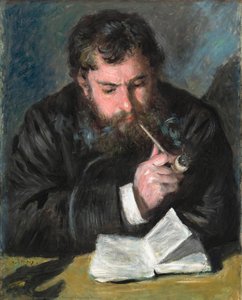
Joaquin Sorolla's "Self Portrait" (1909) captures the Spanish master at his peak, showcasing vibrant brushstrokes and intense gaze. A rare glimpse into an artist’s life & technique.
 続きを読む
続きを読む
スペインの光と色彩を捉えた画家、ホアキン・ソローヤ。地中海沿岸の風景や人々の日常を描き、印象派の影響を受けながら独自の Luminism を確立しました。『悲しき相続』から『海岸の子どもたち』まで、鮮やかな筆致で描かれた作品は、スペイン文化と光の美しさを永遠に伝えます。
手描き油彩複製画
当社のアーティストが、お客様のご希望のサイズと額縁に合わせて、キャンバスに手描きで制作する油彩画です。 ( プリント版に切り替え デジタル画像販売へ切り替え)




P118B ¥10

P118H ¥10

P118W ¥10

P438Z ¥10

P508JH ¥12

P508YH ¥12

P805H ¥10

P805Z ¥10

P919BZ ¥10

P919G ¥10

P919XJ ¥10

P959ZH ¥10

P968JZ ¥12

W106C ¥8

W218G ¥10

W218JH ¥8

W218Y ¥10

W307PJ ¥10

W316G ¥10

W316PJ ¥8

W316Y ¥10

W398PJ ¥8

W4111J ¥10

W500HY ¥15

W500JH ¥15

W692G ¥12

W849H ¥8

W940BG ¥15

W953PJ ¥8




標準サイズ
カスタムサイズ
CM
INCH
作品のオリジナル比率に合わせた、当店の規定サイズからお選びください。
Loading sizes...

横幅
高さ
フレームや壁のスペースに合わせて、ご希望の幅と高さを入力してください。本作品は手描きのため、異なる比率のサイズをご希望の場合、絵画の周囲を少し広げて描くか、あるいは端を少しカットして調整することが可能です。お客様のご要望に合わせます。制作を開始する前に、仕上がりを確認するためのデジタルモックアップをお送りいたします。このページに表示されている画像は完成品の実物ではなく、あくまでモックアップによるイメージです。
カスタマイズの例:顔をお客様の写真に置き換える、ペットを追加する(例:猫を犬に変更)、背景に隠れたメッセージを入れる、背景の風景や要素を変更するなど。
ご注文後、TopImpressionists.com チームより詳細な指示をお送りするとともに、仕上がりイメージ(モックアップ)をご提供いたします。
ご注文後、TopImpressionists.com チームより詳細な指示をお送りするとともに、仕上がりイメージ(モックアップ)をご提供いたします。


 ガラスオプションは、110cm未満のサイズでのみご利用いただけます。

Self Portrait
再現技法
複製画サイズ一覧
-


合計金額
¥ 42355
A Glimpse Through the Artist's Eyes
In the quiet intimacy of his studio, away from the sun-drenched shores and bustling Mediterranean ports that defined his public persona, Joaquín Sorolla captured something profoundly personal in his 1909 Self Portrait. This work serves as a window into the soul of the master of light, painted at a pivotal moment of professional triumph. Following a landmark exhibition at the Hispanic Society of America, Sorolla found himself not only financially secure but standing at the zenith of his career. Yet, in this particular piece, there is no grand spectacle or monumental social theme; instead, we find an artist reflecting upon his own identity, presenting himself with a dignified elegance that belies the ruggedness of his creative life.
The subject sits with a commanding yet contemplative presence, adorned in an elegant grey felt hat—a choice that follows the long-standing tradition of artists depicting themselves in formal attire rather than the paint-stained smocks of their daily labor. His gaze, intense and piercing, seems to look through the viewer, perhaps lost in thought about the very light he spent his life chasing. The composition is anchored by a sense of domestic stillness, with the subtle presence of chairs and dining tables in the background suggesting the lived-in reality of his workspace, creating a bridge between the man and his craft.
The Mastery of Light and Texture
Technically, this self-portrait is a masterclass in the expressive potential of oil paint. Sorolla, often celebrated for his ability to capture the fleeting brilliance of Spanish sunlight, demonstrates here a remarkable versatility in his brushwork. The painting is a beautiful contradiction of textures; he employs almost liquid, fluid strokes that seem to dance across the canvas, juxtaposed against areas of heavy, sculptural impasto. This tactile approach gives the work a rhythmic energy, where the thickness of the paint adds a physical dimension to the artist's features and the fabric of his hat.
For the discerning collector or interior designer, this piece offers a sophisticated interplay of tonal depth and movement. The way the light catches the raised ridges of the paint creates a dynamic surface that changes as one moves around the work, much like the sunlight on water that Sorolla so famously depicted. It is a painting that demands attention not through loud colors, but through the sheer virtuosity of its execution and the subtle gradations of shadow and highlight.
An Emotional Legacy for the Modern Home
Beyond its technical brilliance, the Self Portrait carries an emotional weight that makes it a profound addition to any curated collection. There is a sense of quiet confidence and introspective strength radiating from the canvas. It captures the duality of the artist: the public figure of international acclaim and the private man, dedicated to his family and his craft. This tension between the formal presentation and the raw, energetic technique creates an atmosphere of authenticity that is rare in portraiture.
Integrating a high-quality reproduction of this masterpiece into a living space or a professional gallery setting brings with it a sense of historical gravity and artistic passion. It serves as a conversation piece that invites contemplation on the nature of creativity and the enduring power of the human spirit. Whether placed in a sunlit study or a contemporary lounge, Sorolla's self-portrait provides an infusion of classical elegance and much-needed soul, reminding us of the beauty found in moments of profound self-reflection.
よくあるご質問
美術史において、ジョアキン・ソローラ イ バスティダ作「Self Portrait」はどのような位置を占めているのでしょうか?
歴史的に見て、「Self Portrait」は、より広範な19th Century時代におけるImpressionismの作品です。
「Self Portrait」は、ジョアキン・ソローラ イ バスティダの作品群の中でどのような位置を占めているのでしょうか?
ジョアキン・ソローラ イ バスティダの作品群において、「Self Portrait」はImpressionism様式に属しており、light impressionism, family portrait, valencia tradition, artist legacy, reflection styleというテーマを共有しています。
ジョアキン・ソローラ イ バスティダ作「Self Portrait」にはどのような技法が用いられていますか?
ジョアキン・ソローラ イ バスティダ作「Self Portrait」の技法はOilです。複製画は、この技法の質感や風合いを再現することを目指しています。
関連作品


アーティストについて
Joaquín Sorolla y Bastida - A Life Bathed in Light
Joaquín Sorolla y Bastida, a name synonymous with the radiant light and vibrant energy of Spain, was more than just a painter; he was a chronicler of his nation’s soul. Born in Valencia in 1863, Sorolla's early life was marked by tragedy. Orphaned at the tender age of two following a cholera epidemic that claimed both parents, young Joaquín and his sister were raised by their maternal aunt and uncle. This early experience with loss perhaps instilled within him a profound appreciation for the fleeting beauty of life – a sentiment that would permeate his art. Though hardship shadowed his beginnings, it did not dim the spark of artistic talent that quickly became apparent. He received initial instruction in Valencia, demonstrating an aptitude that led to studies under established artists like Cayetano Capuz and José Benlliure, eventually culminating in a four-year grant to study in Rome. It was there, amidst the classical grandeur of Italy, that Sorolla began to forge his unique artistic path, absorbing influences while simultaneously developing a style distinctly his own.Early Life and Influences
Joaquín Sorolla y Bastida was born on February 27, 1863, in Valencia, Spain – the eldest child of Joaquín Sorolla, a tradesman, and Concepción Bastida. His sister, Concha, arrived a year later. The devastating cholera epidemic that swept through Valencia in 1865 tragically claimed the lives of his parents, leaving him and his sister orphaned at just two years old. They were subsequently cared for by their maternal aunt and uncle, fostering an early awareness of vulnerability and loss—themes that would subtly inform Sorolla’s artistic vision throughout his career. His formative education took place in Valencia, where he honed his skills under the tutelage of Cayetano Capuz and José Benlliure, artists who championed realism and celebrated Valencian culture. Recognizing his exceptional talent, Sorolla secured a prestigious scholarship to study at the Accademia di Belle Arti di Roma (Roman Academy), propelling him toward artistic maturity amidst the intellectual ferment of Italy’s Belle Époque. Here, he encountered the monumental canvases of Francisco Pradilla Ortiz, director of the Spanish Academy in Rome, who instilled in him a deep respect for classical tradition and established a stylistic benchmark that would guide his future endeavors. Furthermore, Sorolla immersed himself in the burgeoning Impressionist movement, captivated by exhibitions showcasing Jules Bastien-Lepage and Adolf von Menzel—artists whose innovative techniques challenged academic conventions and championed capturing fleeting moments of light and color. These influences coalesced into Sorolla’s distinctive artistic voice – a harmonious blend of realism and Impressionistic luminosity that would become his hallmark.From Historical Narratives to Sun-Drenched Realism
Sorolla's initial artistic explorations leaned toward historical painting, mirroring the prevailing trends of his time—large-scale depictions of mythological and biblical scenes intended to inspire awe and reverence. However, a pivotal transformation occurred upon his return to Spain, where he discovered an irresistible fascination with the everyday lives of his countrymen – particularly those inhabiting the picturesque Valencian coast. The intense Mediterranean sunlight, shimmering sea breezes, and vibrant energy of coastal communities became Sorolla’s primary subjects—a deliberate rejection of formal grandeur in favor of capturing the immediacy and beauty of ordinary existence. This stylistic shift wasn't abrupt; Sorolla continued to engage with social realism, exemplified by his poignant portrayal of polio sufferers bathing in the sea – Sad Inheritance (1899)—a painting that garnered considerable acclaim but also revealed a compassionate sensitivity to human suffering. The exhibition of this artwork at the Paris Salon solidified Sorolla’s reputation as a leading voice in Spanish art and underscored his commitment to portraying the realities of contemporary life with honesty and empathy. Sorolla's technique—characterized by bold brushstrokes, loose compositions, and an unwavering dedication to *plein air* painting—became instantly recognizable. He prioritized capturing the ephemeral effects of sunlight on surfaces – skin, water, sand – striving not merely to represent what he saw but to convey its essence—its warmth, vibrancy, and transformative power. This approach distinguished him from many of his contemporaries who adhered to stricter academic standards, establishing Sorolla as a pioneer of Luminism—a style that sought to illuminate the human experience through radiant light. His canvases pulsated with life, infused with an unparalleled sense of spontaneity and dynamism—a testament to his mastery of artistic expression.Major Achievements & Legacy
Sorolla’s prolific output spanned decades, encompassing portraits, landscapes, monumental murals, and numerous genre scenes—each imbued with a distinctive blend of observation and imagination. He achieved international renown through exhibitions in Munich, Paris, Chicago, Vienna, Venice, Buenos Aires, and countless others—receiving accolades from critics and collectors alike. His artistic success was particularly evident in 1892 when he secured the gold medal at the National Exhibition in Madrid for his painting *Another Marguerite*, marking a pivotal moment in his career. He cemented his position as one of Spain’s foremost artists by winning first prize at the Chicago International Exposition in 1893—a triumph that underscored his ability to captivate audiences with evocative imagery and masterful technique. Sorolla's magnum opus, *Vision of Spain*, commissioned by the Hispanic Society of America, represents an extraordinary undertaking—a series of fourteen colossal canvases depicting the regional costumes and customs of Spain’s provinces. Completed posthumously in 1928, this ambitious project stands as a testament to Sorolla’s artistic vision and technical prowess—a monumental achievement that continues to inspire admiration for its grandeur and beauty. Today, Sorolla's paintings reside in prestigious museums worldwide—including the Museo Sorolla in Madrid—where they serve as enduring symbols of Spanish art history and exemplify the transformative power of capturing light and emotion on canvas. His legacy extends beyond his artistic accomplishments; Sorolla remains a beacon of Luminism—a painter whose work continues to resonate with audiences across generations, reminding us that true beauty lies in embracing spontaneity and conveying the profound essence of human experience.
ジョアキン・ソローラ イ バスティダ
1863 - 1923 , スペイン
アーティスト情報
- Artistic Movement Or Style: Impressionisme en Luminisme
- Artists Or Movements Influenced By This Artist: ['Monet']
- Artists Who Influenced This Artist:
- Francisco Pradilla
- Jules Bastien-Lepage
- Date Of Birth: 27 Februari 1863
- Date Of Death: 10 Agustus 1923
- Full Name: Joaquín Sorolla y Bastida
- Nationality: Spaanse kunstenaar
- Notable Artworks:
- Marguerite
- Het terugkomen van het vissen
- Zwaarlijvige meisje
- Kinderen op het strand
- Place Of Birth: Valencia, Spanien
関連記事

The Soul of Impressionism: Why Oil on Canvas Captures Eternal Light and Timeless Emotion
Discover the enchanting alchemy of Impressionism. Explore how the mastery of oil on canvas, through glazing and impasto, captures eternal light and emotion. Perfect for lovers of Monet and Van Gogh seeking the profound depth of hand-painted fine art.
テーマ、スタイル、特徴別に分類された作品を探索しましょう。


