


 設置イメージを確認
 送る
送る シェア
シェア
 詳細情報
詳細情報 ガイドを表示

 画像をダウンロード
 似ている作品
 X線調査
X線調査 スライドショー
 統計情報
統計情報McSorley


Experience John Sloan's iconic 'McSorley’s Bar,' a vibrant 1912 oil painting capturing NYC nightlife & the Ashcan School movement. A timeless depiction of urban life, now available as a limited-edition print.
 続きを読む
続きを読む
ジョン・フレンチ・スローン(1871-1951)は、アッシュカン派とアメリカ写実主義の主要な画家です。20世紀初頭ニューヨークの都市生活を描き、社会主義の影響も受けました。代表作や作品群をご覧ください!
ジークレー/アートプリント
スピーディーな制作と多彩な仕上げオプションが魅力の、ミュージアムクオリティなジークレー・キャンバスプリント。 ( 手描きの複製画を注文する デジタル画像販売へ切り替え)




P118B ¥10

P118H ¥10

P118W ¥10

P438Z ¥10

P508JH ¥12

P508YH ¥12

P805H ¥10

P805Z ¥10

P919BZ ¥10

P919G ¥10

P919XJ ¥10

P959ZH ¥10

P968JZ ¥12

W106C ¥8

W218G ¥10

W218JH ¥8

W218Y ¥10

W307PJ ¥10

W316G ¥10

W316PJ ¥8

W316Y ¥10

W398PJ ¥8

W4111J ¥10

W500HY ¥15

W500JH ¥15

W692G ¥12

W849H ¥8

W940BG ¥15

W953PJ ¥8




標準サイズ
カスタムサイズ
CM
INCH
作品のオリジナル比率に合わせた、当店の規定サイズからお選びください。
Loading sizes...

横幅
高さ
額縁や壁のスペースに合わせて、ご希望の幅と高さを入力してください。プリントはカットすることは可能ですが、元の画像より大きくすることはできないため、異なる比率のサイズを選択された場合は、画像の一部が欠けることになります。印刷を開始する前に、内容を確認していただくためのデジタルモックアップをお送りいたします。このページに表示されている画像は、実際のカット後の状態を示すものではありません。実際の仕上がりはモックアップにてご確認ください。


 ガラスオプションは、110cm未満のサイズでのみご利用いただけます。

McSorley
ジークレー/アートプリント
複製画サイズ一覧
-


合計金額
¥ 10870
A Glimpse into the Grit and Glamour of Chelsea
John French Sloan’s “McSorley’s Bar,” painted in 1912, isn’t merely a depiction of a New York City tavern; it's a meticulously observed snapshot of an era – the dawn of the Ashcan School movement and the burgeoning social consciousness of early 20th-century America. The painting captures a specific moment within McSorley’s Old Ale House, a Chelsea institution that remains remarkably unchanged today, offering a tangible link to the past. Sloan wasn't interested in romanticizing urban life; instead, he presented it with unflinching honesty, revealing the quiet dramas and everyday interactions unfolding within this working-class establishment.

(Image source: Wikimedia Commons)
The Ashcan School and a Realist Vision
Sloan’s work is inextricably linked to the Ashcan School, a group of American artists who rejected the idealized portrayals favored by academic art traditions. Instead, they focused on depicting the realities of urban life – poverty, labor, and the often-overlooked experiences of ordinary people. Sloan's meticulous attention to detail—the worn surfaces of the tables, the flickering gaslight, the expressions on the faces of the patrons—is a hallmark of this movement. He wasn’t aiming for grand narratives; he sought to capture the essence of a specific place and time through careful observation and skillful rendering.
The painting's composition is deliberately understated, yet powerfully evocative. Sloan employs a muted color palette – predominantly browns, grays, and ochres—to create a sense of realism and atmosphere. The lighting is dramatic, casting long shadows that emphasize the depth and texture of the scene. Notice how he uses loose brushstrokes to convey movement and energy, capturing the lively conversations and casual interactions among the men at the bar.
Symbolism in the Details
Beyond its immediate depiction of a bar scene, “McSorley’s Bar” is rich with symbolic details. The numerous clocks on the wall are not simply decorative; they represent the relentless passage of time and the pressures of urban life. The worn furniture and simple decor speak to the hardscrabble existence of many of the patrons. Even the arrangement of bottles and glasses suggests a sense of familiarity and routine. The inclusion of two books in the background hints at a desire for intellectual pursuits amidst the everyday hustle, suggesting that this bar was more than just a place for drinking; it was also a gathering spot for those seeking respite and conversation.
A Timeless Portrait of Chelsea
“McSorley’s Bar” remains remarkably relevant today. It's a poignant reminder of the enduring spirit of New York City, its vibrant neighborhoods, and the people who have shaped it. The painting offers a glimpse into a bygone era, inviting us to reflect on the complexities of urban life and the importance of preserving our cultural heritage. Reproductions of this iconic work continue to resonate with collectors and interior designers alike, offering a touch of authentic New York history and artistic brilliance to any space.
よくあるご質問
「McSorley」の技法とスタイルについて教えてください。
「McSorley」において、Oil On Canvasの技法とAshcan Schoolのムーブメントが融合しています。
「McSorley」は、全体的に明るい印象ですか、それとも暗い印象ですか?
「McSorley」の全体的な明るさはdeep_shadowで、輝度はDarkです。
「McSorley」の作者は?
「McSorley」を手がけたアーティストはジョン・フレンチ・スローンです。この作品はジョン・フレンチ・スローンの名でカタログに登録されています。
アーティストについて
幼少期と芸術への目覚め
ジョン・フレンチ・スローンは、1871年8月2日、ペンシルベニア州ロックヘイブンで生まれました。彼の芸術的ビジョンを深く形作ったのは、決して恵まれた環境ではありませんでした。幼少期から家庭の事情により、父の精神的な苦悩を支え、また周囲の人々を助ける必要に迫られました。この初期の経験は、確立された美術界では見過ごされがちな労働者階級の世界への深い理解を生み出し、彼の作品の特徴となる要素となりました。家族と共にフィラデルフィアに移り住んだスローンは、正式な美術教育を受けるのではなく、ポーター&コーツという書店でアシスタント・キャッシャーとして働き始めます。この環境こそが彼にとって重要な転機となり、デューラーやレンブラントといった巨匠の版画やイラストを研究する機会を与え、描写力とエッチング技術への深い理解を育みました。印刷されたイメージに囲まれた書店で、スローンは静かに自身の芸術を創造し始め、観察眼と細部へのこだわりを根底とした独自のスタイルを確立していきました。彼の初期の作品は特権や余暇から生まれたものではなく、必要性と周囲の世界に対する鋭い視点から生まれたものでした。それは彼が輝かしいキャリアを築くための確固たる基盤となりました。アッシュカン派と都市リアリズム
スローンの人生は、ロバート・ヘンリーとの出会いをきっかけに劇的な変化を迎えます。ヘンリーは芸術的独立を擁護し、日常生活を描くことに情熱を注ぐカリスマ的な画家でした。この繋がりがスローンを、20世紀初頭のニューヨーク市の厳しい現実を描こうとしたアッシュカン派の中心へと導きました。ウィリアム・グラッケンス、ジョージ・ラックス、エヴェレット・シンらと共に、スローンは多くの同時代人が好んだ理想化された風景や肖像画を拒否し、代わりに都市の貧しい地区の賑やかな通り、混雑したアパート、そして活気に満ちた社会生活に目を向けました。彼の作品は、このしばしば無視されてきた世界を視覚的に記録したものとなりました。マクソーリーズ・バーから屋上で髪を乾かす女性たちの場面まで、スローンは単なる記録にとどまらず、人々の生活に共感と尊厳を与え、平凡な人々の生活をキャンバス上に昇華させました。彼は近隣の生活の本質を捉える並外れた能力を持ち、その場所とその住人の性格を明らかにする微妙なジェスチャーや一瞬の瞬間を描き出しました。このリアリズムへのコミットメントは単なる美的選択ではなく、彼の社会主義的な思想に根ざしていましたが、彼は常に芸術と政治的信念の区別を保っていました。スタイルと影響
スローンの芸術的スタイルは、独特の影響の融合によって特徴づけられます。リアリズムを基盤としつつも、彼の作品は様式的なニュアンスに欠けていませんでした。彼は暗く豊かな色調を用い、光と影のコントラストを強調することで、ドラマチックな雰囲気を作り出しました。彼の構図は慎重に構成され、しばしば強い斜線を用いて視線をシーンへと引き込みます。エッチングの影響は、彼の正確な線描と細部へのこだわりにおいて明らかです。ヘンリー以外にも、スローンはヨーロッパの巨匠であるエドガー・ドガやオノレ・ドーミエからインスピレーションを受け、彼らの動きを捉える能力と社会的な批評精神を高く評価しました。しかし彼は、ニューヨーク市のエネルギーとダイナミズムに共鳴する独自の米国人としての声を作り上げました。彼の作品は壮大な物語や歴史的出来事についてではなく、小さな瞬間、都市生活を構成する日常の経験についてでした。彼は平凡な場面の中に美を見出し、それを魅力的な芸術作品へと変貌させました。例えば、『フェリーの目覚め』は、彼が単純なシーンに感情的な深みと象徴的な意味を与える能力を示しています。遺産と永続的な影響
ジョン・フレンチ・スローンの遺産は、アッシュカン派への貢献を超えて広がっています。彼は絵画、エッチング、リトグラフ、ドローイングなど様々なメディアで制作し、都市生活、社会正義、そして人間関係というテーマを常に探求しました。労働者階級のアメリカの現実を描くことへの彼のコミットメントは、従来の芸術規範に挑戦し、社会問題に取り組むことを目指した次世代のアーティストたちの道を切り開きました。彼は献身的な教師であり、キャリアを通じて数多くの学生と知識と情熱を共有しました。芸術的趣味が進化するにつれても、スローンは自身のビジョンに忠実であり続け、ニューヨーク市とその人々との深い繋がりを反映したシーンを描き続けました。彼の作品は今日でも共鳴し、過ぎ去った時代の一瞥を提供するとともに、人間の状態を照らす芸術の永続的な力を思い出させてくれます。彼の絵画は単なる歴史的文書ではありません。それは人生、愛、そして喪失の時代を超越した肖像画なのです。スローンの影響は、その後のリアリズム画家に見られ、日常の世界に美と意味を見出すことを目指すアーティストたちを今も鼓舞し続けています。
ジョン・フレンチ・スローン
1871 - 1951 , アメリカ合衆国
アーティスト情報
- Artistic Movement Or Style: アッシュカン派、リアリズム
- Artists Or Movements Influenced By This Artist: ['次世代のアーティスト']
- Artists Who Influenced This Artist: ['ロバート・ヘンリー']
- Date Of Birth: 1871年8月2日
- Date Of Death: 1951年9月7日
- Full Name: ジョン・フレンチ・スローン
- Nationality: アメリカ人
- Notable Artworks (List Of Titles):
- 機械仕掛けのメーメー!
- グリニッジ・ビレッジの蜂起
- 中華料理店
- Place Of Birth (City And Country): ペンシルベニア州ロックヘイブン
関連記事

Capturing the Light: A Journey Through the Soul of American Impressionism and the Hudson River School
Explore the luminous beauty of American Impressionism and the Hudson River School. Discover a curated journey through light, landscape, and history, celebrating the enduring legacy of masters through exquisite, hand-painted oil reproductions for the discerning art lover.
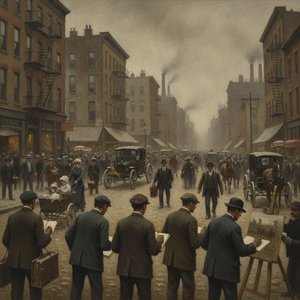
The Ashcan School: Capturing the Raw, Unfiltered Soul of Urban Life through American Realism
Discover the raw beauty of the Ashcan School. Explore how masters like Bellows and Henri captured the gritty, vibrant soul of early 20th-century New York through profound American Realism and evocative urban landscapes.

The Unvarnished Truth: A Cultural Journey Through the Soul of American Realism
Explore the profound beauty of American Realism. From the Ashcan School's urban grit to intimate portraits, discover how artists captured the authentic soul of a nation through unvarnished truth and masterful observation.