

 設置イメージを表示
 シェアする
シェアする シェアする
シェアする
 詳細を見る
詳細を見る ガイドを表示

 ダウンロード
 似ている作品
 X線調査
X線調査 スライドショーを表示
 Q&A
Q&A 統計情報
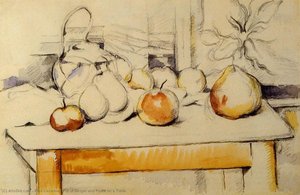
統計情報(Still Life)

- 30.0 x 45.0 cm
Explore the evocative works of John Heliker (1909-2000), a TopImpressionists artist known for his captivating depictions of St. John's College & related religious sites.
 詳細を表示
詳細を表示
ウェブ上のプレビューを遥かに凌駕する、印刷に最適なファイルをご提供します。当サイトで販売しているすべてのデジタル画像は、弊社のデータベース内にある高解像度のマスターデータ(通常、幅5,000〜15,000ピクセル)から作成されています。そのため、大判印刷や大胆なクロップ、細部まで緻密な再現も、安心してお楽しみいただけます。
当スタジオから送り出される画像は、すべて丁寧に加工されています。デジタルエキスパートが原画と照らし合わせて色調を精査し、必要に応じて補正を行った上で、プロ仕様のリタッチツールを用いて鮮明さと細部を向上させます。その際、アーティストの筆致やスタイルに忠実であることを常に追求しています。その結果、単なるスキャン画像にフィルターをかけたようなものではなく、まるで本物の絵画を見ているかのような仕上がりを実現しています。
仕上がりをご確認いただいてから完了となります。専門スタッフが、ご確認用の画像を72時間以内にメールでお送りいたします。もしご満足いただけない場合は、修正や改善のご要望を承るほか、品質が基準に満たない場合には返金も可能です。
出版社、デザインスタジオ、ギャラリー、そして印刷所から信頼される品質です。
デジタルアート
個人での鑑賞、印刷、クリエイティブなプロジェクトにご利用いただける高解像度ファイルをダウンロードできます。 ( プリント版に切り替え 手描き複製画を注文する)
デジタル画像のご注文に付随する特典
確かな品質による、プロフェッショナルなデジタル配信
TopImpressionists.com を選ぶことは、単に画像を手に入れることではありません。プロの手によって精密に仕上げられ、満足保証が付いた高品質なデジタルアートワークを受け取ることを意味します。ご注文いただいた際に自動的に付随する内容は、以下の通りです:

メールですぐにお届け
ご注文から72時間以内に、高解像度のデジタル画像ファイルをメールでお送りいたします。お手元に届き次第、すぐにご利用いただけます。

AI技術で最適化されたデジタルファイル
お客様の作品は、高度なAI技術と専門家による手作業を組み合わせてプロフェッショナルに最適化されており、細部のディテール、鮮明さ、そして正確な色再現性を最大限に引き出しています。

生涯無料の再送サービス
ファイルを誤って削除したり、紛失してしまったりしましたか?ご安心ください。いつでも無料で再送いたします。

輸入手数料は、いつでも一切かかりません
関税や手数料、配送料を気にすることなく、お気に入りのアートワークをすぐにお楽しみいただけます。デジタルダウンロードは常に免税です。

正確な色彩の保証
プロ仕様のツールとカラーマネジメント技術を用いることで、デジタル画像が元の色を最大限に忠実に再現することを保証いたします。

100日間満足保証
ご購入いただいたデジタル画像にご満足いただけない場合は、100日以内であれば、理由を問わず修正または100%の返金対応をさせていただきます。

100% 返金保証
ご満足いただけない場合は、デジタルファイルを受け取ってから100日以内であれば、理由を問わず全額返金いたします。

まとめ買い割引
3枚購入で10%OFF、5枚購入で15%OFF、10枚以上のご購入で20%OFF。クリエイティブなプロジェクトやギャラリー、エージェンシーに最適です。



作家略歴
John Heliker (1909–2000): A Painter of Quiet Landscapes and Enduring Presence
Born in Yonkers, New York—a place still deeply rooted in rural tradition—in 1909, John Heliker’s artistic journey began not within the confines of formal education but through a profound immersion in the visual world. He abandoned high school at sixteen, driven by an almost obsessive desire to learn the craft of painting, initially by meticulously copying the works of Old Masters within the hallowed halls of the Metropolitan Museum of Art. This early apprenticeship, characterized by diligent observation and a deep respect for artistic precedent, laid the foundation for his distinctive style – one that would later blend traditional techniques with a subtle, almost meditative approach to landscape and portraiture.
Heliker’s formal training began at the Art Students League in New York City during the late 1920s. He studied under influential figures like Kimon Nicolaides, Thomas Hart Benton, and Boardman Robinson, absorbing their diverse approaches to painting. These early influences shaped his understanding of composition, color theory, and the expressive potential of line. Following a period spent abroad, honing his skills in Italy during the 1940s – a time marked by experimentation with abstraction influenced by movements like Cubism and Surrealism – Heliker returned to New York and secured a position as a Professor of Art at Columbia University, where he taught for nearly three decades. This dual life—as both artist and educator—provided him with invaluable opportunities to refine his techniques and share his passion with generations of students.
The Development of a Distinctive Style
Heliker’s artistic evolution can be traced through distinct phases, each reflecting the prevailing influences of his time. Initially, his work was characterized by a structural approach reminiscent of Cézanne, employing geometric forms and carefully delineated planes to capture the essence of his subjects. However, as he matured, his style shifted towards a more lyrical and atmospheric quality. During the late 1940s and early 1950s, influenced by the Italian Renaissance masters, Heliker embraced larger brushstrokes and a looser, more expressive handling of paint. This transition marked a move away from rigid formalism toward a greater emphasis on capturing mood and atmosphere.
His landscapes, in particular, became increasingly imbued with a sense of quiet contemplation. He rarely depicted dramatic vistas or sweeping panoramas; instead, he favored intimate scenes—fields of grain, solitary trees, and glimpses of the coastline—that evoked a profound connection to the natural world. Heliker’s portraits were equally understated, capturing not just physical likeness but also the subtle nuances of personality and emotion. He possessed an uncanny ability to convey a sense of inner stillness and serenity in his subjects, reflecting his own philosophical outlook on life.
Subjects and Influences
While landscapes dominated much of his output, Heliker’s artistic interests extended beyond the purely visual. He was deeply influenced by religious iconography, particularly depictions of St. John the Baptist, which frequently appeared in his work. These images—often rendered with a remarkable degree of detail and reverence—suggested a spiritual dimension to his art, reflecting his own lifelong engagement with faith and tradition. The influence of British artists like Gwen John, known for her intimate portraits and evocative use of light and shadow, is also evident in Heliker’s work.
Furthermore, the works of John Frederick Lewis, whose Orientalist paintings explored themes of exoticism and cultural encounter, resonated with Heliker's interest in capturing the beauty of the natural world. The meticulous detail and atmospheric perspective characteristic of Lewis’s art undoubtedly informed Heliker’s approach to landscape painting.
Legacy and Recognition
John Heliker enjoyed a distinguished career that spanned nearly eight decades, culminating in widespread recognition for his artistic achievements. He was awarded numerous prizes and fellowships, including the Prix de Rome in 1948 and a Guggenheim Fellowship in 1951. His work has been exhibited extensively in major museums across the United States and Europe, and it is now included in prominent collections worldwide. Heliker’s legacy extends beyond his individual paintings; he was also a dedicated teacher who inspired countless students to pursue their own artistic ambitions.
His death in 2000 at the remarkable age of ninety-one marked the end of an era, but his art continues to resonate with viewers today. Heliker’s paintings—characterized by their quiet beauty, understated elegance, and profound sense of stillness—offer a timeless meditation on the relationship between humanity and nature, and serve as a testament to the enduring power of observation and artistic skill.

John Heliker
1909 - 2000
プロフィール概要
- Artistic Movement Or Style: Semi-abstract Landscape/Figurative
- Artists Or Movements Influenced By This Artist:
- Cézanne
- American Realism
- Artists Who Influenced This Artist:
- Kimon Nicolaides
- Thomas Hart Benton
- Boardman Robinson
- Date Of Birth: 1909
- Date Of Death: 2000
- Full Name: John Heliker
- Nationality: American
- Notable Artworks:
- Clamdigger with Dog
- St. John's College
- Victim (Stricken Man)
- Place Of Birth: Yonkers, New York