


 設置イメージを確認
 送る
送る シェア
シェア
 詳細情報
詳細情報 ガイドを表示

 画像をダウンロード
 似ている作品
 X線調査
X線調査 スライドショー
 Q&A
Q&A 統計情報
統計情報Hollyhocks


 続きを読む
続きを読む
ジークレー/アートプリント
スピーディーな制作と多彩な仕上げオプションが魅力の、ミュージアムクオリティなジークレー・キャンバスプリント。 ( 手描きの複製画を注文する デジタル画像販売へ切り替え)




































標準サイズ
カスタムサイズ
CM
INCH
作品のオリジナル比率に合わせた、当店の規定サイズからお選びください。
Loading sizes...

横幅
高さ
額縁や壁のスペースに合わせて、ご希望の幅と高さを入力してください。プリントはカットすることは可能ですが、元の画像より大きくすることはできないため、異なる比率のサイズを選択された場合は、画像の一部が欠けることになります。印刷を開始する前に、内容を確認していただくためのデジタルモックアップをお送りいたします。このページに表示されている画像は、実際のカット後の状態を示すものではありません。実際の仕上がりはモックアップにてご確認ください。


 ガラスオプションは、110cm未満のサイズでのみご利用いただけます。

Hollyhocks
ジークレー/アートプリント
複製画サイズ一覧
-


合計金額
¥ 10856
A Delicate Study in Color: John La Farge's "Hollyhocks"
John La Farge’s “Hollyhocks,” painted in 1885, offers a captivating glimpse into the artist’s mastery of watercolor and his fascination with capturing the ephemeral beauty of nature. This intimate study showcases vibrant red and pink hollyhock flowers blooming on a verdant branch, rendered with remarkable sensitivity to light and color. More than just a botanical illustration, it's a testament to La Farge's ability to infuse everyday subjects with artistic depth and emotion.
Style & Technique: A Synthesis of Impressionism and Japonisme
La Farge was a pivotal figure in American art, bridging the gap between traditional academic painting and emerging modern styles. "Hollyhocks" exemplifies this synthesis. While rooted in observation – characteristic of Realism – the loose brushwork and emphasis on color harmonies reflect an influence from Impressionism. However, the composition’s flattened perspective and decorative quality also reveal a strong connection to Japonisme, the Western fascination with Japanese art that swept through Europe and America during this period. La Farge was deeply influenced by Japanese woodblock prints, particularly their use of bold outlines, simplified forms, and expressive color palettes. The watercolor medium itself allowed for a fluidity and transparency that further enhanced the painting’s delicate aesthetic.
Historical Context: American Art in the Late 19th Century
Painted during the Gilded Age, "Hollyhocks" reflects a broader shift in American artistic priorities. As industrialization transformed society, there was a growing appreciation for scenes of natural beauty and tranquility. La Farge’s focus on domestic flora aligns with this trend, offering a respite from the rapid changes occurring around him. Furthermore, La Farge's experimentation with watercolor and his embrace of non-traditional subject matter positioned him as a forward-thinking artist challenging conventional artistic norms. He was part of a generation that sought to define a distinctly American aesthetic, moving away from European dominance.
Symbolism & Emotional Impact
While seemingly simple in its subject matter, "Hollyhocks" carries subtle symbolic weight. Hollyhocks themselves often represent abundance, prosperity, and encouragement. La Farge’s careful arrangement of the flowers – three prominent blooms with a smaller one at the top – creates a sense of visual harmony and balance. The vibrant colors evoke feelings of warmth, joy, and vitality. The painting's overall effect is one of quiet contemplation and appreciation for the simple pleasures of nature. It invites viewers to pause and savor the fleeting beauty of a summer garden.
The Artist: John La Farge – A Renaissance Figure
John La Farge (1835-1910) was an extraordinarily versatile artist, renowned not only for his painting but also for his groundbreaking work in stained glass and mural design. Born into a wealthy French-American family in New York City, he received a broad education that fostered his intellectual curiosity and artistic experimentation. His studio in Rhode Island, known as "The Sacred Grove," became a haven for creativity and innovation. La Farge's legacy extends beyond individual artworks; he fundamentally shaped the course of American art by championing new techniques and embracing diverse cultural influences.
よくあるご質問
「Hollyhocks」の色彩は、どの程度鮮やかですか?
ジョン・ラ・ファージ作「Hollyhocks」は、彩度Subtle Colorで記録されています。
「Hollyhocks」(1885)は、ジョン・ラ・ファージのキャリアにおけるどの時期の作品にあたりますか?
1885年という制作年代から、「Hollyhocks」はジョン・ラ・ファージのMature Periodに属します。
注文前にジョン・ラ・ファージ作「Hollyhocks」をプレビューすることはできますか?
ジョン・ラ・ファージ作「Hollyhocks」の複製画をプレビューするには、作品のプレビューページを開いてください。
関連作品


アーティストについて
ジョン・ラ・ファージの生涯と芸術的遺産
1835年にニューヨーク市で裕福なフランス系両親のもとに生まれたジョン・ラ・ファージは、19世紀後半から20世紀初頭のアメリカ美術の進化において重要な人物として台頭しました。彼の道のりは、絵画、壁画デザイン、ステンドグラスアート、インテリア装飾、そして特にアジアへの旅行に関する洞察に満ちた文章に至るまで、絶え間ない探求と革新に満ちたものでした。バイリンガル環境で育ったラ・ファージは、彼の芸術的ビジョンを深く形作るコスモポリタンな感覚を身につけました。当初は法律の勉強をしていましたが、すぐにアートの世界へと傾倒し、まずマウントセントメアリーズ大学、そしてセントジョーンズカレッジ(現在のフォーダム大学)で学びました。その後のパリでのトーマス・クチュールとの修行は、ヨーロッパの芸術的伝統を吸収しながらも、ユニークなアメリカ的美学を開発する上で重要な時期となりました。この初期の経験が、画期的な技術と独特のスタイルによって特徴づけられるキャリアの基礎を築きました。多様な分野における先駆的な革新
ラ・ファージの芸術的アウトプットは驚くほど多様でしたが、常に色彩と光に焦点を当てていました。彼はイラストや風景画で評価され始めましたが、壁画の分野で最初に大きな影響を与えました。ボストンにあるトリニティ教会(1873年)やニューヨークのアセンション教会の依頼は、彼が明るく精神的に感動的な空間を作り出す能力を示しました。しかし、ラ・ファージの最も永続的な遺産は、ステンドグラスにおける革命的な仕事にあります。当時の従来の方法に不満を抱いていた彼は、1880年に特許を取得した多層の着色ガラスを重ね合わせる技術を開発しました。この革新により、彼は前例のない色彩の豊かさと深さを達成し、ステンドグラスを単なる装飾的な要素から強力な芸術表現の媒体へと変えました。彼のステンドグラスの窓は単なる表現ではありませんでした。光と色の没入体験でした。これらの主要分野に加えて、ラ・ファージはインテリアデザインにも優れ、絵画、壁画、装飾芸術を統合した調和のとれた環境を作り出しました。東洋の影響と新しい形式の探求
ラ・ファージの芸術的発展を特徴づける決定的な側面は、日本の美術と文化への魅力でした。1880年代に始まったアジアへの旅行は、彼の美的感覚に大きな影響を与えました。彼は観察を文章で細かく記録し、非対称性や平坦な視点など、日本のデザイン要素を取り入れて自身の作品に取り入れました。この東洋の美学を受け入れることは単なる模倣ではありませんでした。ラ・ファージはこれらの影響を既存の芸術的語彙と統合して、まったく新しいものを生み出しました。グリニッジビレッジのウェスト10番街51番地にある彼のスタジオは、西洋以外の芸術形式を探求することに関心のあるアーティストが集まる拠点となり、実験と異文化交流の精神を育みました。ジェームズ・マクニール・ホイッスラーのようなアーティストも日本の美学に魅了されていましたが、ラ・ファージは多様な芸術的実践へのこれらの影響をシームレスに統合する能力によって際立っていました。ロードアイランド州にある神聖な森であるザ・セイクレッド・グローブは、彼の精神的および芸術的な探求を反映した個人的な避難所となりました。アメリカ美術への永続的な影響
ジョン・ラ・ファージの貢献は個々の作品にとどまらず、彼はまた、芸術の献身的な擁護者であり、アカデミックな保守主義の激しい批判者でもありました。彼は1877年にナショナル・アカデミー・オブ・デザインの硬直性に対する代替としてSociety of American Artistsを共同設立し、芸術的自由と革新を提唱しました。彼の影響は、その後の世代のアーティストに見られ、特にアーツ・アンド・クラフツ運動や象徴主義に関連するアーティストに顕著です。ラ・ファージの職人技への強調、精神的なテーマの探求、そして色彩の革新的な使用はすべて、伝統的な慣習から脱却しようとするアーティストたちに共鳴しました。彼はメトロポリタン美術館学校で教鞭をとり、若い才能を育成し、彼の知識と芸術への情熱を伝えました。ルイ・コンフォート・ティファニーとのステンドグラスの特許をめぐる長期にわたる法的闘争に直面しましたが、ラ・ファージは1910年に亡くなるまで自身の芸術的ビジョンにコミットし続けました。彼の遺産は、革新の力、色彩の美しさ、そして異文化交流の永続的な影響の証として残っています。キャンバスを超えて:著作と家族
- 文学的貢献: ラ・ファージは視覚アーティストであるだけでなく、才能のある作家でもありました。彼の旅行記、特に『An Artist’s Letters from Japan』(1897年)は、日本の文化や芸術に関する洞察に満ちた観察を提供し、西洋における東洋の美学への理解を深めるのに貢献しました。
- 家族の遺産: ラ・ファージ家は芸術と人文学に貢献し続けました。彼の息子オリバー・ハザード・ペリー・ラ・ファージ2世は著名な人類学者であり作家となり、ネイティブアメリカンの文化に焦点を当てた小説『Laughing Boy』(1929年)でピューリッツァー賞を受賞しました。
- 晩年の日々: ラ・ファージは晩年も精力的に働き続け、70代になっても壁画を制作していました。彼はロードアイランド州プロビデンスのバトラー病院で亡くなり、今日でも人々にインスピレーションと感動を与え続ける作品を残しました。
- 彼の埋葬地はニューヨーク州ブルックリンにあるグリーンウッド墓地です。

ジョン・ラ・ファージ
1835 - 1910 , アメリカ合衆国
アーティスト情報
- Artistic Movement Or Style: 象徴主義、アーツ・アンド・クラフツ
- Artists Or Movements Influenced By This Artist: ['マリア・オークリー・デューイング']
- Artists Who Influenced This Artist: ['トマス・クチュール']
- Date Of Birth: 1835年3月31日
- Date Of Death: 1910年11月14日
- Full Name: ジョン・ラ・ファージ
- Nationality: アメリカ人
- Notable Artworks:
- 聖なる森
- トリニティ教会壁画
- 昇天教会の壁画
- Place Of Birth (City And Country): ニューヨーク市、アメリカ合衆国
関連記事
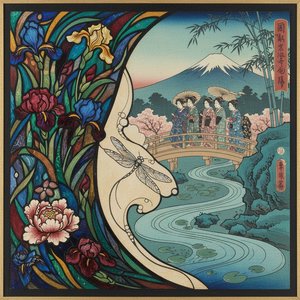
John La Farge: Pioneering American Colorism & Japonisme's Influence
Explore the groundbreaking work of John La Farge, a pioneer of American colorism and stained glass. Discover his captivating Japonisme-inspired murals & lasting legacy in 19th-century art. Expert insights for collectors.

ジョン・シンガー・サージェント:至高の25選 - 美と光の肖像画の世界 | TopImpressionists
ジョン・シンガー・サージェントの至高の25選。肖像画、写実主義、光と影の表現が美しい作品群を紐解きます。マダムXや少女の肖像など、時代を超えて愛される名作をTopImpressionistsで鑑賞。高品質なアート複製で、お部屋に美術館のような空間を。今すぐコレクションをご覧ください。

Watercolor Wonders: 10 Masterpieces That Redefined Art History | TopImpressionists
Journey through 10 legendary watercolor masterpieces by Sargent, Turner & Homer! Explore iconic landscapes, portraits & floral art that redefined history. Find museum-quality reproductions and curated decor ideas at TopImpressionists.com.

Ephemeral Visions: Exploring the Artistic Legacy & Contemporary Practice of Watercolor Painting
Explore the captivating world of watercolor painting! Discover its rich history, essential techniques, influential artists & collecting tips. A comprehensive guide for art enthusiasts from TopImpressionists.

ジョン・コンスタブルの傑作25選:英国風景画の巨匠が描く自然と光の詩 | TopImpressionists
ジョン・コンスタブルの傑作25選。英国風景画の巨匠が描く自然と光の詩の世界へ。ロマン主義を代表する絵画、デダム・ヴェールやヘイ・ウェインなど、TopImpressionistsで高品質なアートプリントをお楽しみください。インテリアに深みと感動を。コレクションはこちら。