

 設置イメージを確認
 送る
送る シェア
シェア
 詳細情報
詳細情報 ガイドを表示

 画像をダウンロード
 似ている作品
 X線調査
X線調査 スライドショー
 統計情報
統計情報デュグアウト
 水彩
水彩- ウォールアート
- Impressionism
 1918
1918 39.0 x 53.0 cm
 メトロポリタン美術館
 続きを読む
続きを読む
ジークレー/アートプリント
スピーディーな制作と多彩な仕上げオプションが魅力の、ミュージアムクオリティなジークレー・キャンバスプリント。 ( 手描きの複製画を注文する デジタル画像販売へ切り替え)




P118B $10

P118H $10

P118W $10

P438Z $10

P508JH $12

P508YH $12

P805H $10

P805Z $10

P919BZ $10

P919G $10

P919XJ $10

P959ZH $10

P968JZ $12

W106C $8

W218G $10

W218JH $8

W218Y $10

W307PJ $10

W316G $10

W316PJ $8

W316Y $10

W398PJ $8

W4111J $10

W500HY $15

W500JH $15

W692G $12

W849H $8

W940BG $15

W953PJ $8




標準サイズ
カスタムサイズ
CM
INCH
作品のオリジナル比率に合わせた、当店の規定サイズからお選びください。
Loading sizes...

横幅
高さ
特定のフレームやスペースに合わせて、ご自身でサイズを指定することも可能です。選択されたサイズが元の画像の比率と一致しない場合、作品をトリミングするか、鏡面反射または単色での塗りつぶしによって画像を拡張いたします。制作を開始する前に、ご確認用のデジタルモックアップをお送りいたします。
画面上のプレビューには、実際のトリミングや拡張は反映されませんのでご注意ください。最終的な構図を正確に確認できるのは、モックアップのみとなります。
カスタムサイズも承っておりますが、元の比率を維持するためには、あらかじめ用意されたリストからサイズを選択することをお勧めいたします。


 ガラスオプションは、110cm未満のサイズでのみご利用いただけます。

デュグアウト
ジークレー/アートプリント
複製画サイズ一覧
-


合計金額
$ 69
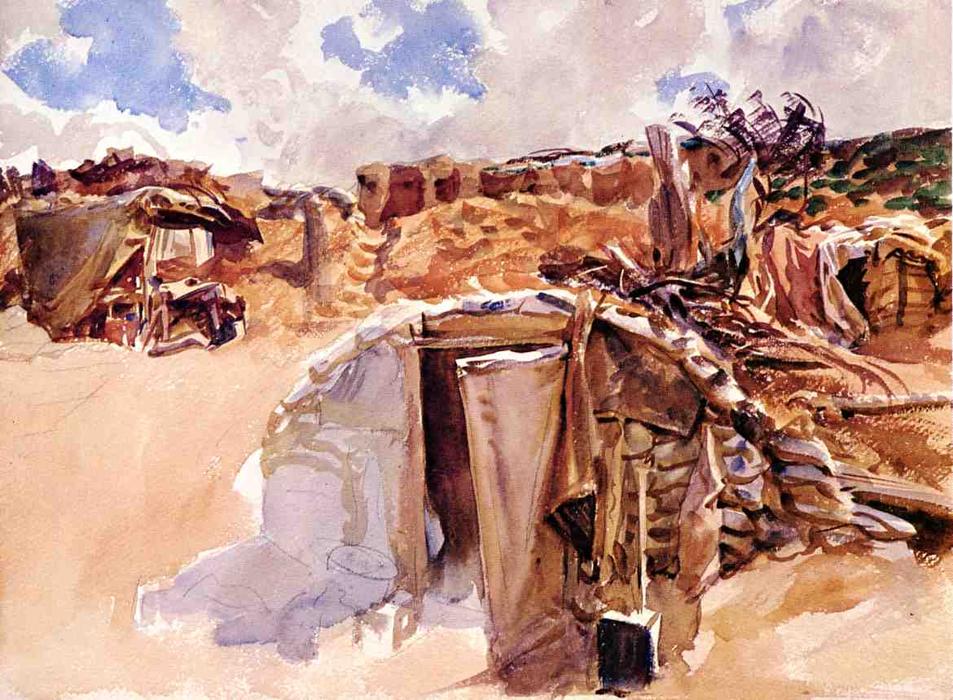
A Desert’s Embrace: John Singer Sargent's "Dugout"
John Singer Sargent’s “Dugout,” painted in 1918, isn’t merely a depiction of a desert landscape; it’s an immersion into the spirit of exploration and resilience. This watercolor masterpiece, currently residing within the Metropolitan Museum of Art's collection, transcends its humble dimensions – measuring just 39 x 53 centimeters – to offer a profound glimpse into the human condition amidst the harsh beauty of the American Southwest. The painting immediately draws the viewer in with its warm palette, dominated by ochre, sand, and the fiery hues of the setting sun. Yet, it’s not simply a visual pleasure; there's an underlying sense of quiet drama, a suggestion of stories whispered on the wind.
Sargent’s genius lies in his ability to capture fleeting moments with remarkable immediacy. The medium of watercolor lends itself perfectly to this effect – the loose brushstrokes and subtle gradations of color evoke the ephemeral nature of light and shadow across the desert floor. Notice how he masterfully renders the texture of the earth, the rough-hewn walls of the dugout, and even the worn fabric draped over its entrance. This isn’t a meticulously detailed rendering; rather, it's an impressionistic distillation of experience, prioritizing atmosphere and feeling above precise representation.
The Context of Exploration
“Dugout” was created during the twilight years of World War I, a period marked by both profound loss and burgeoning optimism. While the specific events surrounding this particular painting remain somewhat shrouded in mystery – Sargent’s personal life at this time was complex and often turbulent – it's reasonable to interpret the scene as reflecting the spirit of adventure and endurance that characterized the era. The dugout itself represents a primal need for shelter, a retreat from the elements, mirroring humanity’s enduring instinct for survival.
The presence of the horse, positioned on the right side of the composition, adds another layer of significance. Horses have long been associated with exploration, transportation, and the westward expansion of the American frontier. It speaks to a time when venturing into the unknown was both a necessity and a symbol of progress. The scattered figures in the foreground – men and women, seemingly engaged in some unspecified activity – further reinforce this theme of human interaction with the wilderness.
Symbolism and Emotional Resonance
Beyond its literal depiction, “Dugout” is rich in symbolic meaning. The stark contrast between the warm tones of the desert landscape and the cool shadows cast by the dugout creates a sense of tension and uncertainty. It’s a scene that invites contemplation – what are these people doing? What challenges have they faced? And what lies beyond the confines of their temporary shelter?
The painting's emotional impact is profoundly understated, yet deeply resonant. There’s no overt drama or violence; instead, we’re presented with a quiet tableau of resilience and adaptation. The light suggests hope, even as it acknowledges the harsh realities of the environment. It speaks to the human capacity for perseverance in the face of adversity – a theme that continues to resonate powerfully today.
A Legacy of Impressionism
“Dugout” firmly establishes Sargent as a master of capturing the essence of light and atmosphere, solidifying his place within the Impressionist movement. His ability to translate fleeting moments onto paper with such sensitivity and grace is truly remarkable. The painting’s intimate scale further enhances its impact, drawing the viewer in for an intensely personal experience. Reproductions of this work, available through TopImpressionists.com and similar platforms, offer a wonderful opportunity to bring this evocative piece into your home or office – a testament to Sargent's enduring legacy and his profound understanding of the human spirit.
関連作品


アーティストについて
光と社会の交差点:ジョン・シンガー・サージェント
ジョン・シンガー・サージェントの名は、鍍金時代(ぎょくどんじだい)の華やかさと、その時代の社交界を鮮やかに捉えた肖像画と切り離すことはできません。1856年にイタリアのフィレンツェで生まれ、アメリカ人両親のもとに育まれた彼は、ヨーロッパ美術界において生涯をかけて芸術に情熱を注ぎました。彼の幼少期は、フランス、ドイツ、イタリア、スイスといった国々を転々と巡る放浪生活であり、それは彼に国際的な感覚と、ヨーロッパの芸術的遺産への早い段階での触れ合いをもたらしました。伝統的な教育を受ける代わりに、彼は美術館や古代教会の中で育ち、その視覚的知識は彼の芸術的ビジョンを深く形作りました。外科医である父とアマチュア画家でもある母は、彼の才能を認め、幼い頃から観察眼の鋭さを奨励し、彼が医学や一般的な道ではなく、芸術の世界へと進むことを後押ししました。パリのアトリエから肖像画の名手へ
1874年、18歳になったサージェントは、芸術的成長における重要な局面を迎え、カロルス=デュランのパリのアトリエに入門します。この師弟関係は彼の芸術に大きな変革をもたらしました。デュランが重視した「直接画法」(下絵を描かずにキャンバスに直接筆を入れる技法)は、サージェントの既に優れた技術的才能をさらに磨き上げ、驚くべき速さと正確さで肖像画を捉える能力を与えました。この革新的なアプローチは大胆さと即興性を促し、それがサージェントのスタイルを特徴づけるようになりました。彼はデュランの教えを心に刻み込み、被写体の外見だけでなく、その本質さえも捉える芸術を習得しました。同時に、彼はÉcole des Beaux-Artsにも通い、さらに技術を磨き上げました。しかし、彼の芸術的想像力を真に刺激したのは、1879年のスペイン旅行で出会ったベラスケスの影響でした。サージェントは、ベラスケスが光、筆致、そして心理的な洞察力を用いて描く技法に魅了され、その要素を生涯を通じて追求しました。名声、スキャンダル、そして芸術的進化
サージェントはすぐにパリで求められる肖像画家として頭角を現し、都市の社交界のエリート層から多くの依頼を受けるようになりました。しかし、彼の成功は困難なく進んだわけではありません。1884年のサロンで展示された『マダム・X』(ピエール・ゴートロー夫夫人)の公開は、社会的なスキャンダルを引き起こし、彼の芽生え始めたキャリアを脅かしました。ゴートロー夫夫人の大胆な描写—蒼白な肌、暗示的なポーズ、そして落ちた肩紐—は、パリの社交界から挑発的で不道徳であると非難されました。サージェントは後に肩紐を修正しましたが、その傷跡は深く残りました。失望した彼は1886年にロンドンに移住し、そこでより寛容な聴衆が見つかりました。ロンドンでは、彼は裕福で著名な人々の肖像画を描き続け、エドワード朝時代の社会の華やかさと複雑さを比類のない技術で捉えました。しかし、サージェントの芸術的野心は、依頼された肖像画の枠を超えていました。彼はより大きな創造的な自由を求め、ますます風景画や素描に専念し、緩やかな筆致、鮮やかな色彩、そして光の瞬間を捉えることに焦点を当てた印象派スタイルを受け入れました。これらの風景画は、サージェントのもう一つの側面—社会的地位よりも自然界の美しさに対する感受性が高い側面—を示しています。肖像画を超えた遺産:
「彼の世代で最も優れた肖像画家」として称賛されるジョン・シンガー・サージェントの芸術的遺産は、社会人たちの卓越した描写を超えています。『エル・ハレオ』というスペインのフラメンコダンサーをダイナミックに描いた作品や、『カネーション、リリー、リリー、ローズ』という穏やかな少女たちの庭園を描いた作品など、彼の主要な作品は、その多様性と技術的な才能を示しています。晩年には、ボストン公共図書館の壮大な壁画プロジェクトなど、大規模な壁画にも取り組み、芸術的ビジョンを壮大なスケールで表現する能力を発揮しました。後世の多くのアーティストに影響を与え、彼の技術力、大胆な筆致、そして外見と心理的な深さを捉える能力は高く評価されています。1980年代にこれまで見過ごされてきた男性ヌードが再発見されたことで、サージェントの芸術的範囲と複雑さがより深く理解されるようになりました。彼の作品は今なお世界中の観客を魅了し、過ぎ去った時代の一端を垣間見るとともに、その美しさと技術的な巧みさによって時を超越した魅力を持っています。彼は紛れもなく、彼の世代で最も重要なアメリカ人アーティストの一人であり、その作品は今もなお人々を鼓舞し、感銘を与え続けています。影響と芸術的親和性
- カロルス=デュラン: 彼の師であり、直接画法という技術と即興性を奨励しました。
- ディエゴ・ベラスケス: サージェントはベラスケスの光の扱い、筆致、そして心理的な洞察力に深く感銘を受けました。
- 印象派: 印象派が重視した一瞬の瞬間を捉え、大気の状態を表現することへの重点は、彼の風景画に大きな影響を与え、より自由で表現力豊かなスタイルにつながりました。
- ジェームズ・アボット・マクニル・ホイッスラー: サージェントとホイッスラーは、「芸術のための芸術」という追求を共有し、彼の構成と色彩のアプローチに影響を与えました。

ジョン・シンガー・サージェント
1856 - 1925 , イタリア
アーティスト情報
- フルネーム: ジョン・シンガー・サージェント
- 主な作品:
- マダム・X
- エル・ハレオ
- カーネーション、リリー、リリー、ローズ
- 出生地: フィレンツェ, イタリア
- 国籍: アメリカ合衆国
- 影響を受けたアーティスト:
- カロルス=デュラン
- ディエゴ・ベラスケス
- 没年月日: 1925年4月15日
- 生年月日: 1856年1月12日
- 芸術運動/スタイル: 印象派
関連記事

Watercolor Wonders: 10 Masterpieces That Redefined Art History | TopImpressionists
Journey through 10 legendary watercolor masterpieces by Sargent, Turner & Homer! Explore iconic landscapes, portraits & floral art that redefined history. Find museum-quality reproductions and curated decor ideas at TopImpressionists.com.

ジョン・シンガー・サージェント:至高の25選 - 美と光の肖像画の世界 | TopImpressionists
ジョン・シンガー・サージェントの至高の25選。肖像画、写実主義、光と影の表現が美しい作品群を紐解きます。マダムXや少女の肖像など、時代を超えて愛される名作をTopImpressionistsで鑑賞。高品質なアート複製で、お部屋に美術館のような空間を。今すぐコレクションをご覧ください。

John Singer Sargent: Capturing the Gilded Age with Impressionistic Brilliance
Explore the life & art of John Singer Sargent, premier portraitist of the Gilded Age. Discover his Impressionistic masterpieces, technical brilliance, and enduring legacy. Expert insights for collectors.

ジョン・コンスタブルの傑作25選:英国風景画の巨匠が描く自然と光の詩 | TopImpressionists
ジョン・コンスタブルの傑作25選。英国風景画の巨匠が描く自然と光の詩の世界へ。ロマン主義を代表する絵画、デダム・ヴェールやヘイ・ウェインなど、TopImpressionistsで高品質なアートプリントをお楽しみください。インテリアに深みと感動を。コレクションはこちら。

Ephemeral Visions: Exploring the Artistic Legacy & Contemporary Practice of Watercolor Painting
Explore the captivating world of watercolor painting! Discover its rich history, essential techniques, influential artists & collecting tips. A comprehensive guide for art enthusiasts from TopImpressionists.
テーマ、スタイル、特徴別に分類された作品を探索しましょう。


