
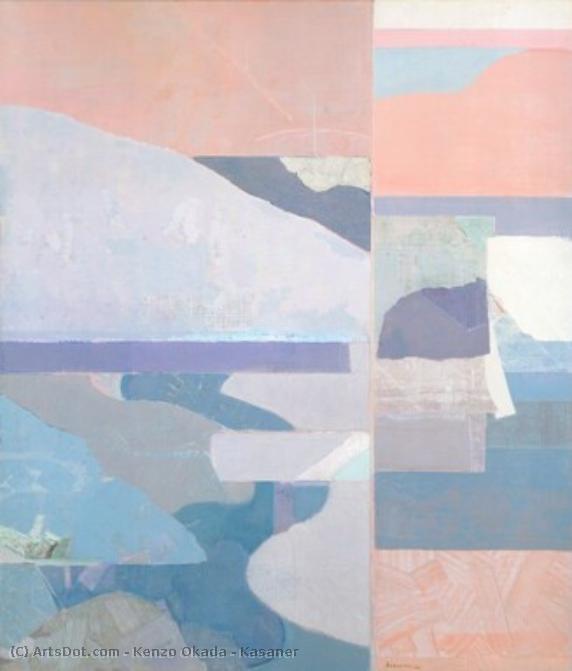
 1968
1968 185.0 x 160.0 cm
オンラインプレビューをはるかに凌ぐ、高解像度で鮮明なデジタル画像をご購入いただけます。
各ファイルは、社内の専門家が高度なツールと熟練した手作業によるレタッチを用いて、細心の注意を払って準備されています。すべての画像において、卓越した鮮明度、正確な色彩再現性、そして繊細なディテールを保証いたします。
最終ファイルは、プロフェッショナルな編集・印刷環境ですぐにご利用いただけるよう最適化された状態で、72時間以内にメールにてお届けいたします。これは、一流のデザインスタジオ、出版社、ギャラリーから信頼されているものと同等の品質です。
個人での鑑賞、印刷、クリエイティブなプロジェクト用に、高解像度ファイルをダウンロードできます。 ( プリント版に切り替え 手描き画への切り替え)
TopImpressionists.com を選ぶことは、単に画像を手に入れることではありません。それは、プロの手によって精密に仕上げられ、満足保証が付いた高品質なデジタルアートワークを受け取ることを意味します。ご注文いただいた際に自動的に付随する内容は、以下の通りです:

ご注文から72時間以内に、高解像度のデジタル画像ファイルがメールでお手元に届きます。すぐにそのままご利用いただけます。

お客様の作品は、高度なAIツールと専門家による手作業の編集を組み合わせてプロフェッショナルに最適化されており、細部のディテール、鮮明さ、そして正確な色再現性を最大限に引き出しています。

ファイルを誤って削除したり、紛失してしまったりしましたか?ご安心ください。いつでも無料で再送いたします。

関税や手数料、配送料を気にすることなく、お気に入りのアートワークをすぐにお楽しみいただけます。デジタルダウンロードは常に免税です。

プロ仕様のツールとカラーマネジメント技術を用いることで、デジタル画像が元の色を最大限に忠実に再現することを保証いたします。

ご購入いただいたデジタル画像にご満足いただけない場合は、60日以内であれば、修正または100%の返金(理由を問う必要はありません)をさせていただきます。

ご満足いただけない場合は、デジタルファイルを受け取ってから60日以内であれば、理由を問わず全額返金いたします。

3枚購入で10%OFF - 5枚購入で15%OFF - 10枚以上購入で20%OFF。クリエイティブなプロジェクト、ギャラリー、エージェンシーに最適です。
Kenzo Okada stands as a singular figure in the tapestry of 20th-century art—a Japanese-born American painter who carved out an indelible mark within the vibrant, often turbulent landscape of Abstract Expressionism. His life and work embody a fascinating confluence of cultural heritage and avant-garde experimentation, acting as a bridge between the disciplined aesthetics of the East and the spontaneous energy of the West. Often celebrated as the first Japanese-American artist to achieve international acclaim within the Abstract Expressionist style, Okada brought to American abstraction a sense of civilized restraint, an elegance of device, and an unusual gift for the poetic transmutation of natural forms.
Born on September 28, 1902, in Yokohama, Japan, Okada’s early path was marked by a quiet struggle between familial expectation and personal passion. His father, a prominent industrialist, prioritized practical stability over the perceived instability of a creative life. Yet, following his father's passing, Okada found the freedom to pursue his true calling, enrolling at the Tokyo School of Fine Arts. This period of rigorous training in Western painting techniques provided him with a formidable foundation, but the allure of the global art scene proved too strong to resist. In 1924, driven by a thirst for the intellectual dynamism of Europe, he departed Japan for Paris, where he studied under the renowned Japanese expatriate Tsuguharu Foujita. This formative era in France exposed him to the stylistic innovations of Impressionism and Fauvism, planting the seeds for his eventual evolution toward abstraction.
The trajectory of Okada’s career was defined by a series of pivotal transitions that saw him moving from urban subjects to deeply meditative, lyrical abstractions. After debuting at the Salon d'Automne in Paris in 1927, he returned to Japan, quickly establishing himself as a respected figure through solo exhibitions and participation in prestigious groups like the Nika-ten. However, it was his eventual move to the United States that would catalyze his most significant artistic breakthroughs. In the mid-century New York art scene, Okada found a landscape that allowed him to merge his Japanese sensibilities with the burgeoning movement of Color Field painting and Abstract Expressionism.
His mature work is characterized by a profound sensitivity to color and a mastery of subtle tonalities. Unlike some of his contemporaries who relied on aggressive gestures, Okada’s technique often involved delicate, sensitive brushstrokes that created a sense of depth and atmospheric complexity. His paintings frequently evoke the essence of landscapes without explicitly depicting them; instead, they use earth colors, muted blues, and soft greens to create a poetic interpretation of the natural world. In masterpieces such as To Point and Grey, one can observe how he utilized abstract patterns and balanced compositions to achieve a state of tension and resolution, inviting the viewer into a space of quiet contemplation.
The historical significance of Kenzo Okada lies in his ability to harmonize disparate worlds. He did not merely adopt Western abstraction; he transformed it through the lens of an Eastern aesthetic rooted in subtlety and grace. This unique synthesis earned him some of the highest honors in the art world, including the Astorre Meyer Prize and the UNESCO Prize at the 29th Venice Biennale in 1958, where his work was featured in the Japan Pavilion.
His enduring influence is reflected in the prestigious collections that house his legacy. His works are held in the permanent collections of the world's most esteemed institutions, including:
Through his ability to translate the ephemeral qualities of light and nature into enduring abstract forms, Kenzo Okada remains a vital figure for scholars and lovers of art alike. He remains a pioneer who proved that abstraction could be both powerful and profoundly peaceful, leaving behind a body of work that continues to resonate with an elegance that transcends borders and generations.

1902 - 1982 , Japan


最新の美術ニュース、限定オファー、そしてインテリアのアイデアをいち早くお届けします。
お客様のプロジェクトについてお聞かせください。当社の美術専門家が、お客様に合わせた3つのパーソナライズされた芸術提案をご提供いたします。
あなたにぴったりの3作品を無料で厳選いたします

 プレビュー
プレビュー
 シェアする
シェアする シェアする
シェアする
 詳細を見る
詳細を見る

 ダウンロード
 似ている作品
 X線調査
X線調査 スライドショー
 詳細を見る
詳細を見る