

 設置イメージを確認
 送る
送る シェア
シェア
 詳細情報
詳細情報 ガイドを表示

 画像をダウンロード
 似ている作品
 X線調査
X線調査 スライドショー
 統計情報
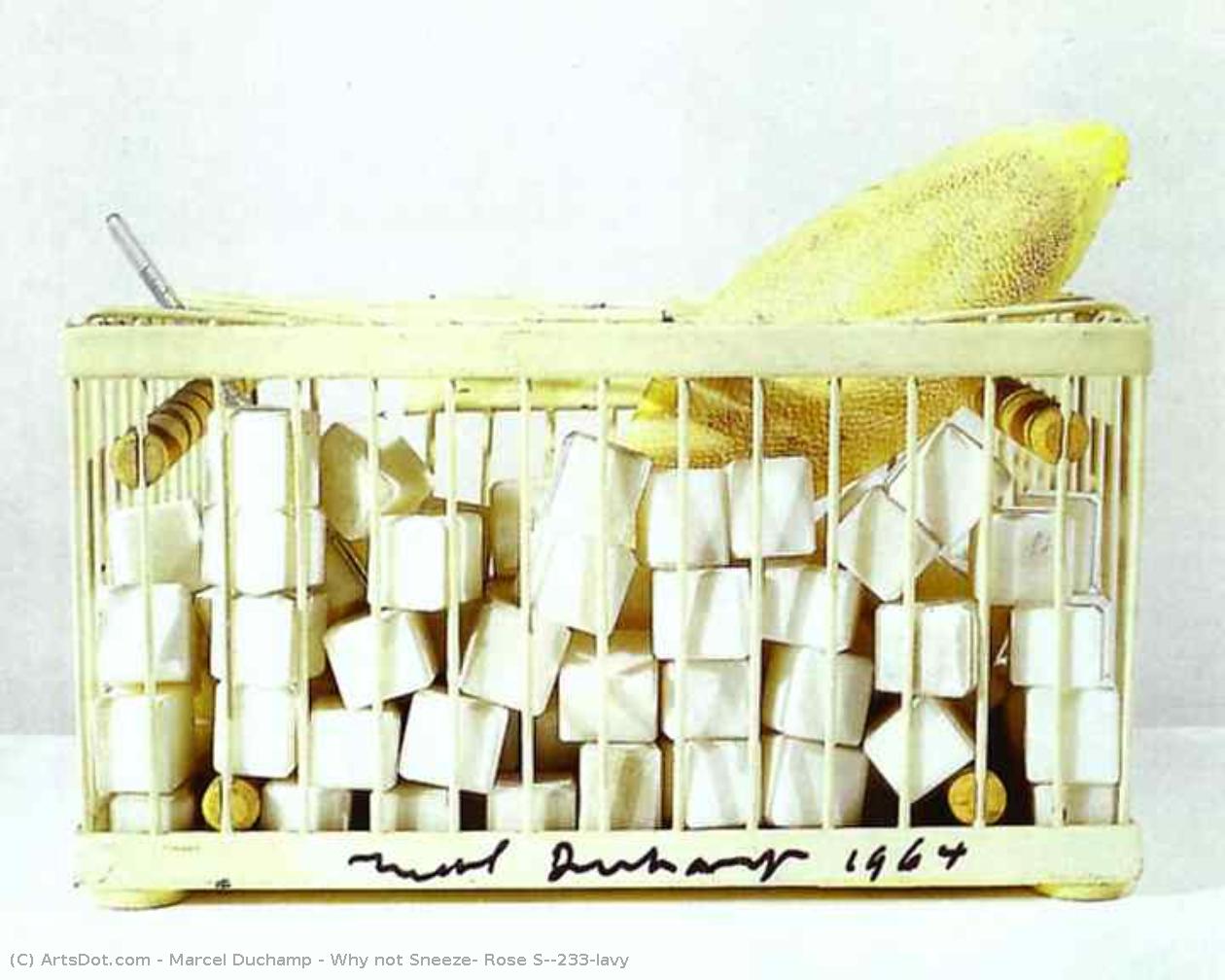
統計情報Why not Sneeze, Rose Sélavy
 Acrylic On Canvas
- WallArt
- Dada Gesamtkunstwerk
 1921
1921 12.0 x 22.0 cm
 テート・モダン
 続きを読む
続きを読む
このページに掲載されている作品は著作権法によって保護されており、当社の許可なく同一の複製物を制作または販売することは法律で禁じられています。この保護は、以下のような国際条約に基づき執行されます。 ベルヌ条約 および、以下の条項に定められたものを含む各国の法律により、 米国著作権法 第17編。
敬意を払った法的な代替手段として、私たちはオリジナルにインスピレーションを与えられた、カスタムの手描きアートワークを提供しています。私たちの熟練したプロのアーティストは、元の作品が持つスタイル、情緒、そして芸術的なエッセンスを注意深く研究し、独自の創作物でありながら、同じ感性を呼び起こすような、新しくユニークな作品を作り上げます。
この手法は、著作権で保護された作品の複製や複写を伴わないため、著作権法に完全に準拠しています。これは単なる模倣ではなく、創造的な再解釈です。元の作品からインスピレーションを受けつつも、それとは異なる、全く新しい絵画を生み出すものです。
手描き油彩複製画
当社のアーティストが、お客様のご希望のサイズと額縁に合わせて、キャンバスに手描きで制作する油彩画です。 ( プリント版に切り替え デジタル画像販売へ切り替え)




P118B ¥10

P118H ¥10

P118W ¥10

P438Z ¥10

P508JH ¥12

P508YH ¥12

P805H ¥10

P805Z ¥10

P919BZ ¥10

P919G ¥10

P919XJ ¥10

P959ZH ¥10

P968JZ ¥12

W106C ¥8

W218G ¥10

W218JH ¥8

W218Y ¥10

W307PJ ¥10

W316G ¥10

W316PJ ¥8

W316Y ¥10

W398PJ ¥8

W4111J ¥10

W500HY ¥15

W500JH ¥15

W692G ¥12

W849H ¥8

W940BG ¥15

W953PJ ¥8




標準サイズ
カスタムサイズ
CM
INCH
作品のオリジナル比率に合わせた、当店の規定サイズからお選びください。
Loading sizes...

横幅
高さ
フレームや壁のスペースに合わせて、ご希望の幅と高さを入力してください。本作品は手描きのため、異なる比率のサイズをご希望の場合、絵画の周囲を少し広げて描くか、あるいは端を少しカットして調整することが可能です。お客様のご要望に合わせます。制作を開始する前に、仕上がりを確認するためのデジタルモックアップをお送りいたします。このページに表示されている画像は完成品の実物ではなく、あくまでモックアップによるイメージです。
カスタマイズの例:顔をお客様の写真に置き換える、ペットを追加する(例:猫を犬に変更)、背景に隠れたメッセージを入れる、背景の風景や要素を変更するなど。
ご注文後、TopImpressionists.com チームより詳細な指示をお送りするとともに、仕上がりイメージ(モックアップ)をご提供いたします。
ご注文後、TopImpressionists.com チームより詳細な指示をお送りするとともに、仕上がりイメージ(モックアップ)をご提供いたします。


 ガラスオプションは、110cm未満のサイズでのみご利用いただけます。

Why not Sneeze, Rose Sélavy
再現技法
複製画サイズ一覧
-


合計金額
¥ 42336
A Provocative Pause: Unpacking “Why Not Sneeze, Rose Sélavy”
Marcel Duchamp’s "Why Not Sneeze, Rose Sélavy," painted in 1921, isn't merely a still life; it’s an audacious declaration. This deceptively simple image – a white box containing a yellow banana alongside several cups and spoons – immediately throws the viewer off balance, demanding they reconsider their assumptions about art itself. Duchamp, a pivotal figure in the Dada movement, wasn’t interested in replicating reality or expressing personal emotion through traditional means. Instead, he sought to dismantle established artistic conventions, forcing us to confront the very definition of what constitutes “art” and its role within society.
The painting's genesis lies within Duchamp’s exploration of chance and readymades – everyday objects presented as art without alteration. "Why Not Sneeze" exemplifies this approach perfectly. The choice of a banana, an utterly mundane item, elevates it to the status of subject matter through its placement within the box, transforming it into something worthy of contemplation. The inclusion of the cups and spoons further complicates the scene, suggesting a potential for consumption or ritual – elements deliberately devoid of inherent meaning, yet imbued with a subtle tension.
Dadaist Disruptions: Style and Technique
“Why Not Sneeze” is firmly rooted in the principles of Dadaism, a movement born from the disillusionment following World War I. Rejecting logic and reason, Dada artists embraced absurdity, chance, and anti-art sentiments. Duchamp’s technique reflects this ethos; he employed a precise, almost clinical approach to rendering the objects, using oil paint on canvas with a smooth, matte finish. There's no attempt at illusionistic depth or vibrant color – instead, the focus is entirely on the arrangement of the elements and their juxtaposition. The stark white box acts as a frame, isolating the objects and intensifying their impact.
Interestingly, Duchamp’s process involved a degree of chance. He reportedly placed the banana in the box after it had been emptied, allowing the positioning to be determined by accident. This element of randomness underscores the movement's core belief that art should not be dictated by conscious intention but rather emerge from unexpected encounters and unforeseen circumstances.
Symbolic Whispers: Interpretation and Context
The symbolism within “Why Not Sneeze” is deliberately ambiguous, inviting multiple interpretations. The banana itself has been suggested to represent fertility, sexuality, or even a subtle critique of consumer culture – a small, yellow object placed in an enclosed space, hinting at both abundance and confinement. The cups and spoons could symbolize hospitality, offering, or perhaps the act of consuming – again, devoid of any specific narrative but laden with potential meanings.
Furthermore, the title itself, “Why Not Sneeze?”, is a direct challenge to conventional artistic expectations. Duchamp’s question implies that there are no rules governing art, no prescribed methods for creating it. It's an invitation to embrace spontaneity and reject rigid constraints. The painting can be viewed as a meditation on the absurdity of artistic norms and a playful provocation against established aesthetic values.
A Timeless Dialogue: Emotional Impact and Legacy
Despite its seemingly simple composition, “Why Not Sneeze, Rose Sélavy” possesses a profound emotional impact. It’s unsettling, humorous, and thought-provoking – qualities that have cemented its place as one of the most significant works in modern art history. Duchamp's work continues to resonate today, prompting us to question our own perceptions of beauty, value, and the very nature of artistic expression. A reproduction of this iconic piece offers a unique opportunity to engage with a pivotal moment in art history and contemplate the enduring legacy of Marcel Duchamp’s revolutionary spirit.
よくあるご質問
「Why not Sneeze, Rose Sélavy」のファインアートプリントは販売されていますか?
マルセル・デュシャン作「Why not Sneeze, Rose Sélavy」のプリントをご希望の方は、こちらのファインアートプリントページよりご注文いただけます:コットンキャンバスまたはアーカイブ品質のキャンバスペーパーに施されたファインアートプリント。
「Why not Sneeze, Rose Sélavy」には、どのような情緒や感情が込められているのでしょうか?
「Why not Sneeze, Rose Sélavy」では、PlayfulなムードにPlayfulな感情が添えられています。
Why not Sneeze, Rose Sélavyは、マルセル・デュシャンのキャリアにおけるどの時期の作品にあたりますか?
「Why not Sneeze, Rose Sélavy」は、マルセル・デュシャンのキャリアにおけるDada Phaseに属します。この分類は、作品をアーティストの画業の変遷に関連付けるものです。
アーティストについて
マルセル・デュシャン:芸術の定義を覆した革命家
マルセル・デュシャンは、1887年にノルマンディー地方ブレーヌヴィル=シュル=メールで生まれ、1968年にパリでその生涯を終えたフランス系アメリカ人アーティストです。彼は単なる画家ではありませんでした。むしろ、芸術の概念そのものを問い直し、現代美術の流れを大きく変えた思想的な挑発者だったのです。デュシャンの幼少期は一見すると平凡に見えるかもしれません。芸術を愛する家庭に育ち、兄弟たちはそれぞれ才能あるアーティストとして成功を収めました。しかし、この伝統的な環境の中でさえ、彼は既存の規範を打ち破るような、型破りな才能を秘めていました。デュシャンは当初、伝統的な技法を習得し、印象派以降のスタイルを実験しましたが、それは単なる技術の習得ではなく、芸術の本質、目的、そして定義そのものを問いかけるための基盤となったのです。彼の飽くなき知的探求心こそが、多作なキャリア全体を特徴づけるものとなりました。キュビスムからダダイズムへ:伝統からの脱却
デュシャンの芸術的遍歴は、常に進化し、確立された規範を意図的に放棄するものでした。初期のキュビスムへの関わり(1911年の『チェスプレイヤーの肖像』に見られるように)は、断片化された形態と多角的な視点に対する興味を示唆しており、伝統的な表現からの脱却でした。しかし、彼は単に視覚的要素を再配置するだけでは、彼が抱えるより深い問いに答えることはできないことに気づきました。第一次世界大戦の惨劇は、彼の不満をさらに煽り上げ、論理や理性、そして伝統的な芸術価値観を拒絶する運動であるダダイズムへと導きました。ダダイズムの中でこそ、デュシャンは初めて従来の芸術的概念を根本から覆し始めました。彼は美しいオブジェクトを作り出すことに関心を持っていませんでした。むしろ、思考を刺激し、前提を揺さぶり、美学的な判断の恣意性を暴露することを目的としていたのです。この時期に、彼の最も革新的なアイデアである「レディメイド」が誕生しました。レディメイドと芸術の転覆
レディメイド——日常的で製造されたオブジェクトを選択し、芸術作品として提示する——デュシャンの最も重要な貢献です。これらは単なる偶然の発見物ではありませんでした。むしろ、芸術的な転覆という意図的な行為だったのです。例えば、小便器を『噴水』と名付け、R. Muttという偽名で独立アーティスト展に出品したことで、芸術的技能や作者そのものの定義に挑戦しました。作品は、誰が作ったのか、アーティストの手なのか、それともアイデアなのか?この問いかけこそが彼の実践の中心となり、コンセプトアートの基礎を築いたのです。『L.H.O.O.Q.』(1919年)のような他の著名なレディメイドは、モナ・リザの複製に口ひげと顎髭を描き加えたものであり、芸術史や確立された文化的アイコンに対する遊び心のある、しかし鋭い批判でした。これらの作品は、その美的な品質のために賞賛されることを意図したものではありませんでした。むしろ、議論を巻き起こし、鑑賞者が芸術とは何かという先入観を見直すよう促すことを目的としていたのです。デュシャンは、芸術は目に留まるのではなく、心に宿るべきだと信じていました。遺産と持続的な影響
マルセル・デュシャンの現代美術に対する影響力は計り知れません。彼は芸術の理解を根本的に変え、コンセプトアート、ミニマリズム、ポップアートなど、数多くの運動への道を開きました。アーティストのアイデア——作品背後にある概念——がその美学的な品質よりも重要であるという彼の強調は、今日でもアーティストにインスピレーションを与え続けています。- キュビスム: 形態の断片化と空間表現の初期の研究。
- ダダイズム: 論理や理性、そして伝統的な芸術的価値観を拒絶し、第一次世界大戦への反応として生まれた運動。
- コンセプトアート: 作品の美学的な品質よりも、作品背後にあるアイデアに重点を置く芸術形態。

マルセル・デュシャン
1887 - 1968 , フランス
アーティスト情報
- フルネーム: マルセル・デュシャン
- 主な作品:
- ファウンテン
- L.H.O.O.Q.
- 大きなガラス
- ボワテ・アン・ヴァリーズ
- 出生地: ブロインヴィル=レ=ブーア(フランス)
- 国籍: フランス系アメリカ人
- 影響を与えたアーティストまたは運動:
- 概念美術
- ポップアート
- ミニマルアート
- 死亡年月日: 1968年10月2日
- 生年月日: 1887年7月28日
- 芸術運動またはスタイル:
- キュビスム
- ダダイスム
- 概念美術
関連記事

Dadaism Unveiled: The Beautiful Chaos of Art's Most Rebellious Movement
Explore the profound rebellion of Dadaism. Discover how this avant-garde movement emerged from the chaos of WWI to redefine art through absurdity, anti-logic, and a legacy that shaped Surrealism and Pop Art. A deep dive into the beautiful chaos of art history for the true enthusiast.

Pop Surrealism Unveiled: The Sophisticated Intersection of Vibrant Pop Art and Dreamlike Subconscious Landscapes
Explore the captivating world of Pop Surrealism. Discover how vibrant Pop Art meets dreamlike subconscious imagery through the works of masters like Jeff Soto and Ryan Heshka. An expert guide for discerning collectors seeking to understand this profound contemporary art movement.
テーマ、スタイル、特徴別に分類された作品を探索しましょう。


