
 設置イメージを確認
 送る
送る シェア
シェア
 詳細情報
詳細情報 ガイドを表示

 画像をダウンロード
 似ている作品
 X線調査
X線調査 スライドショー
 Q&A
Q&A 統計情報
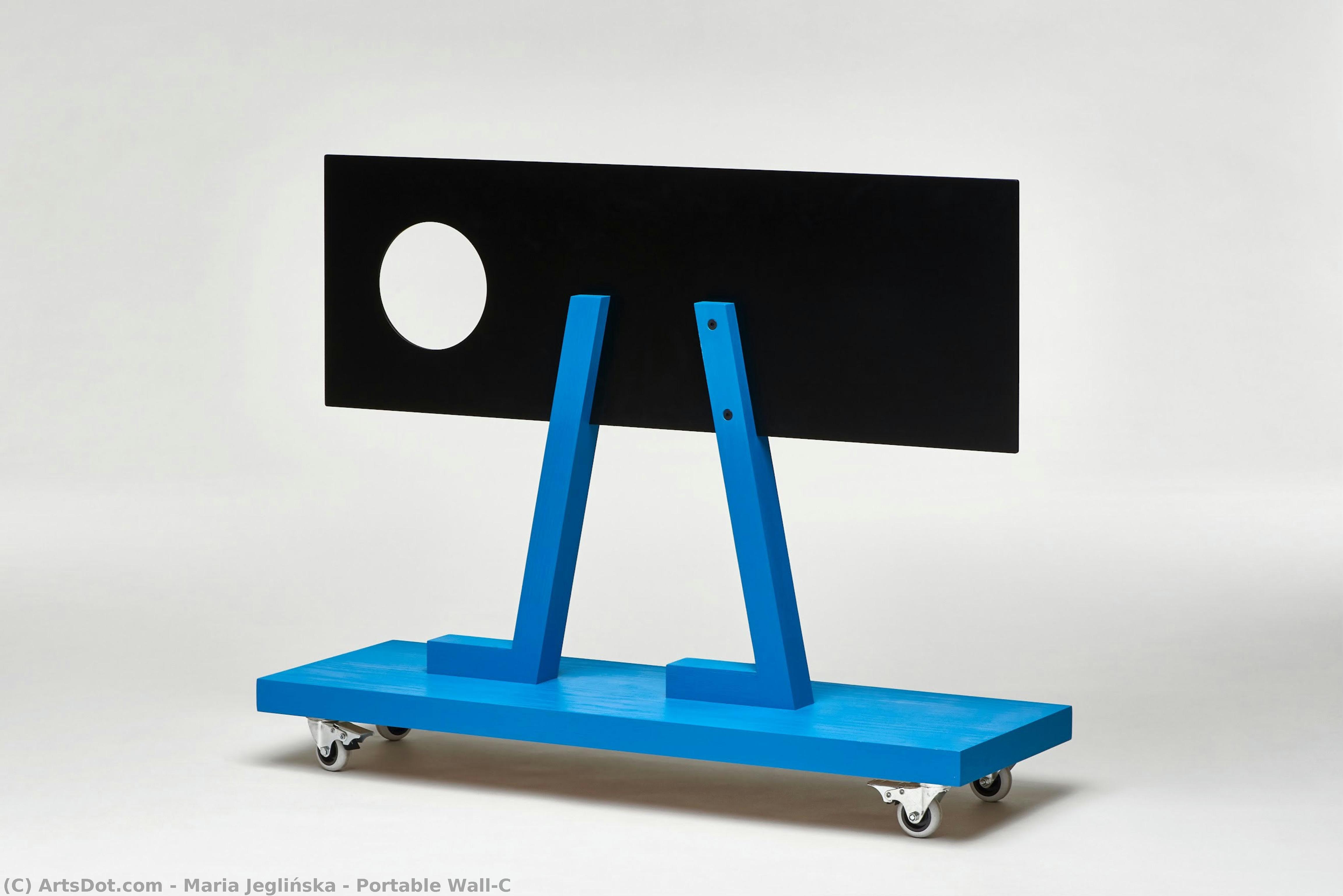
統計情報Portable Wall-C

- 70.0 x 90.0 cm


Explore Maria Jeglińska’s ‘Portable Wall-C’: a striking minimalist design blending functionality & color. This sculptural display unit evokes modern aesthetics & playful spatial partitions.
 続きを読む
続きを読む
Explore maria jeglińska's minimalist designs blending functionality & simplicity. Discover her innovative artworks & global exhibitions.
このページに掲載されている作品は著作権法によって保護されており、当社の許可なく同一の複製物を制作または販売することは法律で禁じられています。この保護は、以下のような国際条約に基づき執行されます。 ベルヌ条約 および、以下の条項に定められたものを含む各国の法律により、 米国著作権法 第17編。
この手法は、著作権で保護された作品の複製や複写を伴わないため、著作権法に完全に準拠しています。これは単なる模倣ではなく、創造的な再解釈です。元の作品からインスピレーションを受けつつも、それとは異なる、全く新しい絵画を生み出すものです。
ジークレー/アートプリント
スピーディーな制作と多彩な仕上げオプションが魅力の、ミュージアムクオリティなジークレー・キャンバスプリント。 ( 手描きの複製画を注文する デジタル画像販売へ切り替え)




































標準サイズ
カスタムサイズ
CM
INCH
作品のオリジナル比率に合わせた、当店の規定サイズからお選びください。
Loading sizes...

横幅
高さ
額縁や壁のスペースに合わせて、ご希望の幅と高さを入力してください。プリントはカットすることは可能ですが、元の画像より大きくすることはできないため、異なる比率のサイズを選択された場合は、画像の一部が欠けることになります。印刷を開始する前に、内容を確認していただくためのデジタルモックアップをお送りいたします。このページに表示されている画像は、実際のカット後の状態を示すものではありません。実際の仕上がりはモックアップにてご確認ください。


 ガラスオプションは、110cm未満のサイズでのみご利用いただけます。

Portable Wall-C
ジークレー/アートプリント
複製画サイズ一覧
-


合計金額
¥ 10888
The ‘Portable wall-C‘ was created as part of the exhibition series Circulation in the Circle, launched by the Contemporary Design Department in 2018. According to the concept, the invited designer will select an object or ensemble of objects from the collection of the Museum of Applied Arts, and will create a new design as inspired by the object(s). The second designer we have invited for the series is Maria Jeglińska from Poland, who has selected an armchair designed by Sándor Mikó from the museum’s collection, which , which served as one piece of the furnishings of the Te + Én eszpresszó [You + Me espresso bar] that operated on Bem rakpart [embankment] in the 1970s. Inspired by the armchair she selected, Jeglińska has designed playful spatial partitions, which are also colourful characters. The stylised dividers reminiscent of human or animal figures are coquettish pieces. They are located somewhere along the frontier of opening and closing, at the border of 2D and 3D.
よくあるご質問
Maria Jeglińska作「Portable Wall-C」の複製画をプレビューするにはどうすればよいですか?
Maria Jeglińska作「Portable Wall-C」のプレビューは、作品のプレビューページでご確認いただけます。
「Portable Wall-C」の閲覧数はどのくらいですか?
Maria Jeglińska作「Portable Wall-C」に関する統計情報は、作品の統計情報ページでご確認いただけます。こちらでは、作品の月間訪問数、アーティストの作品への訪問数、および最近の訪問者の国別・言語別の内訳をご覧いただけます。
「Portable Wall-C」の原画は、どの美術館に収蔵されていますか?
Maria Jeglińska作「Portable Wall-C」の真作はMuseum of Applied Arts, ブダペスト, ハンガリーに所蔵されています。複製画(レプリカ)を用いることで、ご自宅でも作品をお楽しみいただけます。
アーティストについて
A Quiet Revolution in Form: The World of Maria Jeglińska
Maria Jeglińska-Adamczewska, born in Fontainebleau, France, in 1983, embodies a fascinating paradox within the contemporary design landscape. She is an artist who quietly champions simplicity and functionality, yet her work resonates with a profound depth that has garnered international acclaim. Her journey, marked by rigorous training at the prestigious ECAL (École Cantonale d'Art de Lausanne) and formative experiences in studios alongside luminaries like Konstantin Grcic and Alexander Taylor, initially pointed towards a career steeped in global design trends. However, Jeglińska’s unexpected return to Poland proved pivotal, igniting a creative force dedicated to fostering a uniquely Polish aesthetic while simultaneously engaging with universal principles of form and space.
From Lausanne to Warsaw: A Defining Shift
Jeglińska's education at ECAL was foundational. The school’s emphasis on industrial design—a discipline that marries artistic vision with practical application—instilled in her a deep respect for materials, processes, and the user experience. Scholarships from institutions like IKEA further broadened her horizons, providing opportunities to collaborate and learn from established figures. Her early work, influenced by these experiences, demonstrated a keen understanding of minimalist principles and a sophisticated approach to spatial composition. Yet, it was her decision to relocate back to Poland in 2007 that truly defined her artistic trajectory. This wasn’t merely a geographical shift; it represented a conscious choice to engage with a specific cultural context—a desire to contribute to the burgeoning Polish design scene and challenge preconceived notions about its capabilities.
The Office for Design & Research: A Philosophy in Practice
In 2012, Jeglińska established the Office for Design & Research, a studio that quickly became synonymous with thoughtful, research-driven design. The office’s ethos centers on the belief that rigorous investigation can unlock innovative solutions and generate new forms of expression. This isn't simply about aesthetics; it’s about understanding the social, cultural, and historical forces that shape our interaction with objects and spaces. Her projects span a diverse range of applications—furniture, lighting, functional objects, exhibition design, and even filmmaking—reflecting a holistic approach to creativity. Clients such as Ligne Roset, Kvadrat, Vitra, and Hermès attest to the studio’s international appeal and its ability to seamlessly blend artistic integrity with commercial viability.
Major Achievements & Curatorial Vision
Jeglińska's impact extends beyond her own design work. She has curated numerous exhibitions that showcase both Polish and global talent, acting as a vital bridge between local artisans and the international art community. Her curation of “Punkty Widzenia / Punkty Siedzenia” (“Ways of Seeing/Sitting”) at the Łódź Design Festival in 2012 demonstrated her ability to create compelling narratives through carefully selected objects. Perhaps most notably, she co-curated and designed the Polish Pavilion for the inaugural London Design Biennale in 2016, a project that brought Polish design to the forefront of international attention. From 2018 to 2020, her role as creative director of the ARENA DESIGN fair in Poznań further solidified her position as a leading voice in the Polish design landscape.
Historical Significance & A Lasting Legacy
Maria Jeglińska’s significance lies not in flamboyant gestures or radical departures from tradition, but rather in her subtle yet powerful commitment to quiet innovation. She represents a new generation of designers who are actively challenging the boundaries between art, design, and research. Her work is characterized by an understated elegance that belies its intellectual depth—a testament to the power of simplicity and functionality when informed by rigorous investigation and cultural awareness. Her influence can be seen in the growing recognition of Polish design on the global stage, and her dedication to fostering a vibrant creative community ensures that her legacy will continue to inspire for years to come. Her recent participation in projects like “Connected” with the American Hardwood Export Council demonstrates an ongoing commitment to exploring new materials and responding to contemporary challenges, solidifying her position as a vital force in the evolving world of design.

Maria Jeglińska
1983 - , France
アーティスト情報
- Artistic Movement Or Style: Minimalist design
- Artists Who Influenced This Artist:
- Konstantin Grcic
- Alexander Taylor
- Date Of Birth: 1983
- Full Name: Maria Jeglińska-Adamczewska
- Nationality: Polish
- Notable Artworks:
- Portable Wall-B
- Vase Man
- Connected table/chair
- Place Of Birth: Fontainebleau, France
関連記事

The Enduring Form: Sculpture Across History, Technique & Emotional Resonance
Explore the rich history of sculpture with TopImpressionists. Discover key techniques, influential artists & investment potential for discerning collectors. Expert insights into valuing and collecting timeless masterpieces.

Slate Blue Masterpieces: 10 Iconic Paintings & Timeless Home Decor Ideas
Immerse yourself in the captivating world of slate blue! Explore 10 iconic paintings by Monet, Van Gogh & Renoir. Discover their stories, techniques & find museum-quality art reproductions for your home at .

The Enduring Form: Exploring Themes & Techniques in Sculpture Across Historical Periods
Explore the rich history of sculpture from ancient masterpieces to contemporary innovations. Discover key techniques, influential artists & investment potential for discerning art collectors.

Bronze Sculptures That Defined Art History | TopImpressionists
Journey through art history with our Top 10 bronze sculptures! Explore masterpieces by Rodin, Michelangelo & more. Discover stories behind iconic statues and find museum-quality reproductions for your home decor at TopImpressionists.com.

Bronze Age to Modern Masters: 10 Sculptures That Redefined Art | TopImpressionists
Journey through art history with 10 legendary bronze sculptures – from Michelangelo's David to Rodin’s Thinker. Explore the stories, techniques & timeless beauty of these masterpieces. Find museum-quality reproductions & elevate your home decor on TopImpressionists.com.