

 設置イメージを表示
 シェアする
シェアする シェアする
シェアする
 詳細を見る
詳細を見る ガイドを表示

 ダウンロード
 似ている作品
 X線調査
X線調査 スライドショーを表示
 Q&A
Q&A 統計情報
統計情報Cambridge Corn

- 41.0 x 76.0 cm


Explore Marjorie Portnow’s ‘Cambridge Corn,’ a stunning 1981 oil painting of rural beauty. Impressionistic brushwork & vibrant colors capture tranquility. A unique landscape piece.
Discover Marjorie Portnow's evocative oil paintings – capturing Cambridge landscapes & personal narratives. Explore her legacy through art, music & Hillwood Estate.
 詳細を表示
詳細を表示
このページに掲載されている作品は著作権法によって保護されており、当社の許可なく同一の複製物を制作または販売することは法律で禁じられています。この保護は、以下のような国際条約に基づき執行されます。 ベルヌ条約 および、以下の条項に定められたものを含む各国の法律により、 米国著作権法 第17編。
この手法は、著作権で保護された作品の複製や複写を伴わないため、著作権法に完全に準拠しています。これは単なる模倣ではなく、創造的な再解釈です。元の作品からインスピレーションを受けつつも、それとは異なる、全く新しい絵画を生み出すものです。
ジークレー/アートプリント
スピーディーな制作と多彩な仕上げオプションが魅力の、ミュージアムクオリティなジークレー・キャンバスプリント。 ( 手描き複製画を注文する デジタル画像販売へ切り替え)




































標準サイズ
オーダーメイド
CM
INCH
作品のオリジナル比率に合わせた、当店の規定サイズからお選びください。
Loading sizes...

横幅
高さ
額縁や壁のスペースに合わせて、ご希望の幅と高さを入力してください。プリントはカットすることは可能ですが、元の画像より大きくすることはできないため、異なる比率のサイズを選択された場合は、画像の一部が欠けることになります。印刷を開始する前に、内容を確認していただくためのデジタルモックアップをお送りいたします。このページに表示されている画像は、実際のカット後の状態を示すものではありません。実際の仕上がりはモックアップにてご確認ください。


 ガラスオプションは、110cm未満のサイズでのみご利用いただけます。

Cambridge Corn
ジークレー/アートプリント
複製画サイズ一覧
-


合計金額
¥ 11057
関連作品


作家プロフィール
Marjorie Portnow: A Painter of Quiet Landscapes
Marjorie Portnow, born in New York City in 1944, is an American artist whose evocative oil paintings have quietly captivated audiences for decades. Her work centers on the observation and representation of landscapes – not grand vistas or dramatic storms, but rather intimate glimpses into rural scenes, capturing a sense of tranquility and profound connection with the natural world. Portnow’s artistic journey has been shaped by a deep appreciation for visual detail, a commitment to direct observation, and a desire to translate the subtle nuances of light and atmosphere onto canvas.
Early influences on Portnow's style can be traced back to her education at Western Reserve University and Pratt Institute. A pivotal experience during this period was her time at the Skowhegan School of Painting and Sculpture, where she honed her skills in plein air painting – working directly from nature. This immersion in observation became a cornerstone of her artistic practice. Later, she further developed her technique through studies at Brooklyn College and received an MFA. Her work has been recognized with awards from prestigious organizations like the Ingram Merrill Foundation, the New York Foundation for the Arts, The Tiffany Foundation, and the Radcliffe Institute, solidifying her position as a respected figure in American art.
The Language of Landscape
Portnow’s paintings are characterized by a distinctive approach to landscape representation. She eschews overly dramatic compositions or idealized depictions, instead favoring a meticulous attention to detail and a focus on the subtle shifts in light and color that define a particular moment in time. Her process is deeply rooted in direct observation; she often spends extended periods – sometimes months – at a single location, patiently studying the landscape under various conditions. This dedication results in paintings that feel remarkably immediate and alive, imbued with a sense of quiet contemplation.
A key element of Portnow’s work is her exploration of “the air.” She describes it as a crucial component of the landscape, striving to capture its intangible quality through color and texture. This pursuit has led her to experiment with layering pigments and employing techniques that mimic the way light diffuses through the atmosphere. Her paintings are not simply representations of places; they are attempts to embody the feeling of being present within them – a sense of immersion in the natural world.
Notable Works & Recognition
Among her most celebrated works is “Cambridge Corn” (1981), a vibrant oil painting depicting a rural landscape. This piece, held by The Metropolitan Museum of Art, exemplifies Portnow’s signature style – characterized by meticulous detail, luminous color, and a profound sense of atmosphere. Other significant paintings include "Looking North to Gardiner's Island; Delaware Water Gap-Fall Storm; Little Verona" and “Ellet Valley, Bright Spring Day,” each offering a unique perspective on the beauty of the American countryside.
Portnow’s work has been exhibited at galleries such as Fischback Gallery and Odyssia Gallery in New York City, and Garcus-Krakow Gallery in Boston. Her commitment to her craft and her ability to capture the essence of the landscape have earned her critical acclaim and a dedicated following.
Legacy & Continuing Practice
Marjorie Portnow’s legacy lies not only in her individual paintings but also in her unwavering dedication to direct observation and her profound respect for the natural world. Her work serves as a reminder of the power of art to connect us with our surroundings and to foster a deeper appreciation for the beauty that exists all around us. She continues to paint, driven by an enduring curiosity about the landscape and a desire to translate its subtle complexities onto canvas.
Her artistic philosophy emphasizes a dialogue between the artist and the environment, suggesting that through careful observation and patient engagement, we can gain a deeper understanding of ourselves and our place within the larger world. Marjorie Portnow’s paintings are not merely images; they are invitations to slow down, look closely, and experience the quiet beauty of the landscape.

Marjorie Portnow
1944 - , United States of America
プロフィール概要
- Full Name: Marjorie Portnow
- Nationality: American
- Date Of Birth: 1944
- Place Of Birth: New York, United States of America
- Notable Artworks:
- Cambridge Corn (1981)
- Looking North to Gardiner's Island
- Artistic Movement Or Style: Landscape painting
関連記事

Beyond the Light: Capturing Raw Emotion and Subjective Vision in Post-Impressionist Landscapes
Explore the profound emotional depth of Post-Impressionist landscapes. Discover how masters like Van Gogh moved beyond light to capture raw human feeling through vibrant color and expressive texture in this expert art history retrospective.
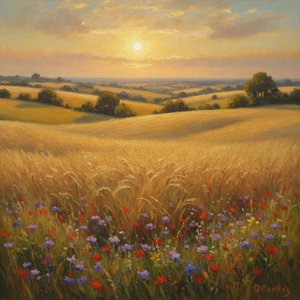
Golden Fields & Sun-Drenched Meadows: Capturing the Soul of Impressionist Landscapes
Immerse yourself in the luminous world of Impressionist landscapes. Discover how masters like Monet and Gauguin captured ephemeral light through plein air painting, and learn to bring the soul of sun-drenched meadows into your home with exquisite, hand-painted oil reproductions.
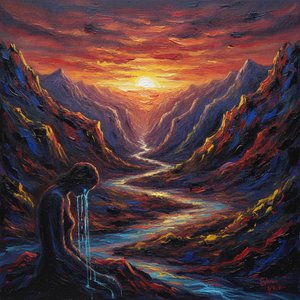
Capturing Emotion: A Journey Through the Soul of Expressionist Landscapes
Explore the profound emotional depth of Expressionist landscapes. Discover how Post-Impressionist masters moved beyond light to capture the soul through vibrant color and form. A curated journey for true art lovers seeking the beauty of expressive mastery.

Capturing the Soul: The Most Emotionally Moving Impressionist and Post-Impressionist Masterpieces
Discover the profound emotional depth of Impressionist and Post-Impressionist masterpieces. Explore how legends like Monet, Van Gogh, and Gauguin captured light and soul through evocative landscapes and vibrant brushwork for a timeless connection to art history.

The Beauty of Impermanence: Capturing Decay through Impressionist Eyes
Explore the profound beauty of impermanence through Impressionist and Post-Impressionist eyes. Discover how masters like Monet and Van Gogh captured fleeting light and the poetic essence of nature's transitions in our deep dive into art history and emotional landscapes.