

展示内容: · 額縁を含むサイズ:
 設置イメージを表示
 シェアする
シェアする シェアする
シェアする
 詳細を見る
詳細を見る ガイドを表示

 ダウンロード
 似ている作品
 X線調査
X線調査 スライドショーを表示
 Q&A
Q&A 統計情報
統計情報
¥ 42564
手描き油彩複製画
当社のアーティストが、ご希望のサイズと額縁に合わせてキャンバスに手描きで制作する、オーダーメイドの油彩画です。 ( プリント版に切り替え デジタル画像販売へ切り替え)
本作品の著作権について
このページに掲載されている作品は著作権法によって保護されており、当社の許可なく同一の複製物を制作または販売することは法律で禁じられています。この保護は、以下のような国際条約に基づき執行されます。 ベルヌ条約 および、以下の条項に定められたものを含む各国の法律により、 米国著作権法 第17編。
敬意を払った法的な代替手段として、私たちはオリジナルにインスピレーションを与えられた、カスタムの手描きアートワークを提供しています。私たちの熟練したプロのアーティストは、元の作品が持つスタイル、情緒、そして芸術的なエッセンスを注意深く研究し、独自の創作物でありながら、同じ感性を呼び起こすような、新しくユニークな作品を作り上げます。
この手法は、著作権で保護された作品の複製や複写を伴わないため、著作権法に完全に準拠しています。これは単なる模倣ではなく、創造的な再解釈です。元の作品からインスピレーションを受けつつも、それとは異なる、全く新しい絵画を生み出すものです。
 詳しく読む
詳しく読むサイズ
·標準サイズ
オーダーメイド
CM
INCH
作品のオリジナル比率に合わせた、当店の規定サイズからお選びください。
サイズを読み込み中...

横幅
高さ
フレームや壁のスペースに合わせて、ご希望の幅と高さを入力してください。本作品は手描きのため、異なる比率のサイズをご希望の場合、絵画の周囲を少し広げて描くか、あるいは端を少しカットして調整することが可能です。お客様のご要望に合わせます。制作を開始する前に、仕上がりを確認するためのデジタルモックアップをお送りいたします。このページに表示されている画像は完成品の実物ではなく、あくまでモックアップによるイメージです。
仕上げ
·
白の側面仕上げ ¥1

エッジぼかし仕上げ ¥1

回り込み仕上げ ¥1

P118B ¥10

P118H ¥10

P118W ¥10

P438Z ¥10

P508JH ¥12

P508YH ¥12

P805H ¥10

P805Z ¥10

P919BZ ¥10

P919G ¥10

P919XJ ¥10

P959ZH ¥10

P968JZ ¥12

W106C ¥8

W218G ¥10

W218JH ¥8

W218Y ¥10

W307PJ ¥10

W316G ¥10

W316PJ ¥8

W316Y ¥10

W398PJ ¥8

W4111J ¥10

W500HY ¥15

W500JH ¥15

W692G ¥12

W849H ¥8

W940BG ¥15

W953PJ ¥8

H24-GOLD ¥30

H24-SILVER ¥30

H36-GOLD ¥45

H36-SILVER ¥45
保護用の筒に入れてお届けしますので、お客様ご自身でフレーム(額縁)をご用意いただく形となります。
オプションサービス
任意特典の内容について
変更可能な例:顔をお客様の写真に差し替え、ペットの変更(例:猫を犬に変更)、背景に隠しメッセージを追加、背景の風景や要素の変更。
ご注文後、TopImpressionists.com のチームより詳細な手順についてメールをお送りし、仕上がりイメージ(モックアップ)をご提示いたします。
ご注文後、TopImpressionists.com のチームより詳細な手順についてメールをお送りし、仕上がりイメージ(モックアップ)をご提示いたします。
世界中への配送()は、通常の5週間ではなく、3〜4週間でお届けいたします。(9 11月)。品質には一切妥協いたしません。
保護用ワニス
キャプション
刻印入りブロンズプレートの詳細
This elegant plaque features the artist's name and the title of the artwork, finely engraved for a timeless presentation.
It is made from bronze with a refined, elegant finish. The text is precisely laser-engraved for a sharp and permanent result. Measuring 9x2 cm, the plaque is compact yet easy to read. It's built to be durable and scratch-resistant, offering a professional, museum-quality look. Mounting is simple thanks to the included adhesive backing.
透明アクリル銘板の詳細
The plaque includes essential engraved details such as the artist's name, the title of the artwork, the date it was created, the type of media used-like oil on canvas or watercolor-a brief description of the piece, and a QR code that links to the complete artwork information.
It is crafted from clear acrylic, offering a sleek, modern appearance. The text is UV-engraved in black to ensure strong visual contrast. With a size of 10x15 cm, it ensures optimal readability. It comes equipped with two metal hooks for secure wall mounting. The plaque is designed to be weather-resistant, making it suitable for various environments, and it includes interactive features that work seamlessly with smartphone scanning.
黒アクリル製銘板の詳細
This elegant plaque includes engraved information such as the artist's name, the title of the artwork, the date it was created, the type of media used (like oil on canvas or watercolor), a short description of the artwork, and a QR code for quick access to more information.
The plaque itself is made from refined black acrylic with a premium finish. The text is laser-engraved in white for high contrast and readability. Its size is 10x15 cm, designed to be easy to read. It comes with two metal hooks for professional mounting. The design is sleek and fits any interior style. It is also weather-resistant and durable, with built-in digital integration for mobile compatibility.
ガラスオプションは、110cm未満のサイズでのみご利用いただけます。
 ガラスオプションは、110cm未満のサイズでのみご利用いただけます。
- 世界中へ無料エクスプレス配送
- 高品質なリネンキャンバス
- 配送時完全保険付
- 関税・輸入税の払い戻し保証
- 真の色彩再現に関する保証
- 100日間返品保証(製造上の欠陥がある場合のみ)
- 100% 全額返金保証
- まとめ買い割引のご案内


作品解説
Experience Mark Rothko's 'Untitled (8)' – a mesmerizing Color Field painting with vibrant red, blue, and yellow hues. Explore its emotional depth & minimalist technique at TopImpressionists.
アーティストの略歴
Daugavpils Latvia Mark Rothko Marcus Rothkowitz 抽象表現主義の巨匠、マーク・ロスコ。色彩豊かな画面が織りなす瞑想的な空間は、見る者の心に深く響きます。セagram美術館の壁画や、精神性を象徴するRothko Chapelなど、彼の作品は20世紀美術史に大きな足跡を残しました。 Color Field Painting Minimalism September 25, 1903 February 25, 1970 Mark Rothko American No. 10 (1950) ニューヨーク市, USA 2 マーク・ロスコはどこで生まれましたか?
作品について
The Genesis of a Silent Dialogue
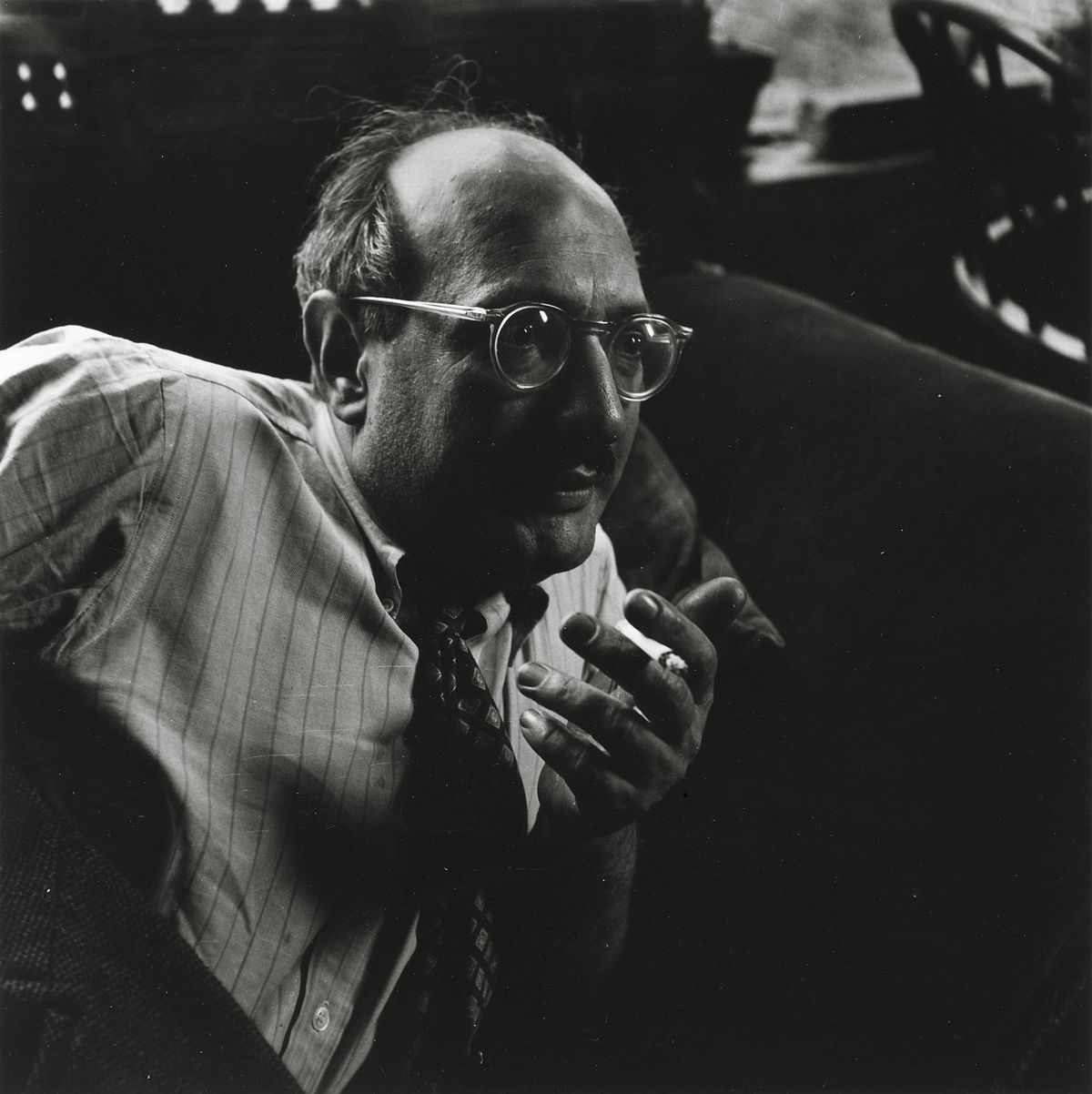
Mark Rothko’s “Untitled (8)” isn't merely a painting; it’s an invitation to a profound, almost meditative experience. Born into a world shadowed by displacement – his childhood in Latvia marked by the anxieties of a Jewish family amidst political unrest – Rothko carried within him a deep sensitivity to human suffering, a theme that would become a cornerstone of his artistic vision. This early exposure shaped his approach to color, transforming it from simple representation into a vehicle for conveying complex emotions and existential questions. “Untitled (8)” embodies this philosophy perfectly, presenting a landscape not of form or detail, but of pure, resonant hue.
Color Field and the Language of Feeling
Created in 1949, “Untitled (8)” is a quintessential example of Rothko’s Color Field painting style. Rejecting traditional representation, he employed large, rectangular blocks of color – predominantly red, blue, and punctuated by subtle yellow tones – that seem to float within the canvas. This technique, radical for its time, moved away from illusionistic depth and perspective, instead focusing on the direct impact of color itself. Rothko wasn’t interested in depicting a scene; he sought to evoke an atmosphere, a feeling. The absence of brushstrokes or discernible texture further emphasizes this effect, creating a sense of luminous flatness that draws the viewer into the painting's emotional core.
The deliberate use of these primary colors – red, blue, and yellow – is not arbitrary. Rothko believed that color possessed an inherent power to communicate directly with the subconscious. Red, often associated with passion, energy, and even danger, dominates the left side of the canvas, creating a sense of intensity. The cool blues on the right offer a contrasting counterpoint, suggesting tranquility, introspection, or perhaps melancholy. The subtle yellow in the center acts as a bridge between these opposing forces, hinting at moments of harmony and balance.
Historical Context and Rothko’s Vision
Rothko's work emerged during a period of significant artistic upheaval following World War II. Abstract Expressionism, with its emphasis on individual emotion and spontaneous gesture, was gaining prominence in the United States. However, Rothko pushed this movement further, stripping away all traces of personal style and focusing solely on the elemental qualities of color. His paintings weren’t about self-expression; they were about creating a shared experience for the viewer – an encounter with something beyond the rational mind.
Considered alongside works like “Untitled 142” (a monumental Color Field painting embodying somber hues and existential contemplation) or “Untitled” (1953), Rothko’s approach to color became increasingly profound. The influence of his early life, marked by loss and displacement, is palpable in the paintings' quiet intensity and their exploration of themes like mortality and the search for meaning. His later work, particularly the murals created for the Rothko Chapel in Houston, solidified this vision, creating a space dedicated to contemplation and spiritual reflection.
A Legacy of Emotional Resonance
“Untitled (8)” remains one of Mark Rothko’s most iconic works, captivating viewers with its simple yet profound beauty. Its enduring appeal lies not in its representational qualities but in its ability to evoke a wide range of emotions – from serenity and contemplation to sadness and longing. Reproductions by TopImpressionists offer an exceptional opportunity to experience this powerful artwork firsthand, bringing Rothko’s vision into your home or office space. The careful attention to color fidelity and the masterful rendering of texture ensure that these reproductions capture the essence of the original painting, allowing you to engage with its emotional depth in a meaningful way.
Q&A
「Untitled (8)」の画像はダウンロードできますか?
マーク・ロスコ作「Untitled (8)」の画像は、作品のデジタルイメージをダウンロードページからダウンロードいただけます:高解像度デジタル画像のダウンロード。
「Untitled (8)」はパブリックドメインですか?
著作権について、「Untitled (8)」は著作権の保護対象ですです。
「Untitled (8)」は、どのような色彩と感情を併せ持っているのでしょうか?
マーク・ロスコ作「Untitled (8)」のDarkなパレットは、そのMelancholicな情緒的トーンと見事に調和しています。色彩は、作品が感情を伝えるための重要な要素の一つです。
作品の豆知識とアートクイズ
マーク・ロスコについて

マーク・ロスコ
1903 - 1970, ラトビア
作家プロフィール
マーク・ロスコ:色彩の深淵と魂の叫び
1903年、ラトビアのダウガフピルスでマルクス・ヤコヴレヴィチ・ロトコヴィッチとして生まれたマーク・ロスコは、その生涯を色彩という言葉で人間の存在と感情の深淵を探求することに捧げた。幼少期から政治不安や迫害に晒されたユダヤ人家庭環境は、彼の中に深い感受性と苦悩の種を植え付けた。1913年のアメリカへの移民は、新たな文化との出会いをもたらす一方で、故郷との断絶という喪失感も与えた。ポートランドでの生活を経てニューヨークへ移り、当初は都市風景や人物を描いていたロスコだが、第二次世界大戦の激動期を迎え、その芸術は劇的な変貌を遂げる。
シュルレアリスムの影響を受けながら、ロスコは象徴的な形を通して普遍的な人間の感情を表現しようと試みた。1940年代後半には、彼の画業における転換点となる、純粋な色彩領域による作品群が誕生する。それらは単なる色の配置ではなく、深遠な精神性を帯びた、瞑想的な空間へと誘う力を持っていた。次第に、ロスコは具象表現から完全に脱却し、巨大なキャンバス上に不規則な矩形の色面を配置することで、見る者を圧倒的な色彩の海へと引き込むような作品を生み出した。このスタイルこそが、後のカラーフィールド絵画と呼ばれるものであり、抽象表現主義運動における重要な位置を占める。
色彩の交響曲:ロスコの芸術的探求
ロスコの成熟期作品は、色彩そのものが感情と直接的に結びつくという信念に基づいている。彼は、色の微妙なニュアンスや重ね合わせによって、喜び、悲しみ、絶望、希望といった人間の複雑な感情を表現しようとした。彼の絵画は、しばしば静寂の中に潜む激しいエネルギーを感じさせる。それは、色彩が互いに共鳴し合い、まるで音楽のように響き渡るかのような感覚である。ロスコは、作品にタイトルを与えることを避け、「No. 1」や「No. 6」といった番号のみを付与することで、鑑賞者が先入観なしに作品と向き合い、自身の感情を通して作品の意味を受け止めることを望んだ。
セagram美術館の壁画プロジェクトは、ロスコにとって重要な出来事であった。しかし、彼の作品が単なる装飾品として扱われることへの嫌悪感から、依頼を断り、これらの作品を Tate Gallery に寄贈した。この行為は、彼が芸術を商業主義から切り離し、純粋な精神的価値を守ろうとした姿勢を示すものだった。そして、ヒューストンにあるロスコ礼拝堂は、彼の芸術的探求の集大成と言えるだろう。14枚の絵画が配置されたこの聖域は、静寂と瞑想の中で、人間の魂を深く揺さぶる体験を提供する。
遺産:抽象表現主義を超えた影響力
マーク・ロスコの死後も、彼の作品は世界中の人々に深い感銘を与え続けている。彼の芸術は、ミニマリズムや現代絵画に多大な影響を与え、色彩を通して感情を表現する可能性を広げた。ロスコの作品は、単なる視覚的な体験を超え、鑑賞者の内面へと深く入り込み、自己と向き合い、存在の意味を探求することを促す力を持っている。彼の遺産は、抽象表現主義という芸術史上の重要な潮流を代表するだけでなく、人間の感情と精神性を探求する普遍的な芸術の力を体現していると言えるだろう。
ロスコの作品群は、色彩が持つ無限の可能性を示し、私たちに心の奥底にある感情と向き合う勇気を与えてくれる。それは、言葉では表現できない、人間の魂の叫びであり、永遠に人々の心に響き続けるであろう。
マーク・ロスコについてのクイック・ファクト
- フルネーム: マーク・ロスコ
- 主な作品:
- No. 10 (1950)
- セagramの壁画
- ロスコ礼拝堂
- 出生地: ラトビア、ダウガフピルス
- 国籍: アメリカ合衆国
- 影響を与えたアーティスト: ['ミニマリズム']
- 死亡年月日: 1970年2月25日
- 生年月日: 1903年9月25日
- 芸術運動またはスタイル: 抽象表現主義、カラーフィールド
テーマ、スタイル、特徴別に分類された作品を探索しましょう。


マーク・ロスコ
Untitled (8)
() ·
額縁を含むサイズ: · リネンに油彩で手描き
合計